Asiatic Black Bear
The Asiatic black bear (Ursus thibetanus), also known as the moon bear, is a member of the bear family (Ursidae) native to regions spanning from southern…
What is Asiatic black bear?
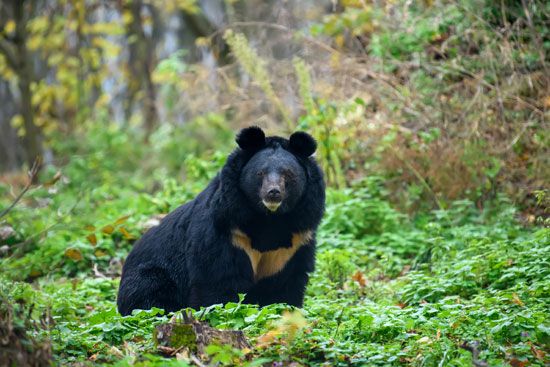
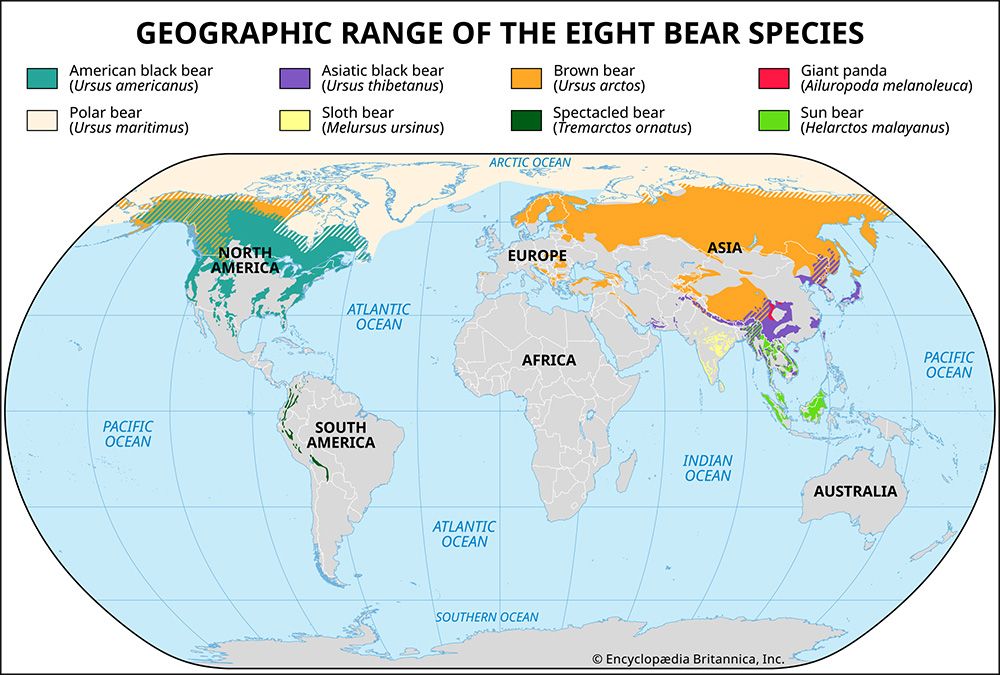
The Asiatic black bear (Ursus thibetanus), also known as the moon bear, is a member of the bear family (Ursidae) native to regions spanning from southern Iran through the Himalayas to parts of eastern Asia, including Japan.1
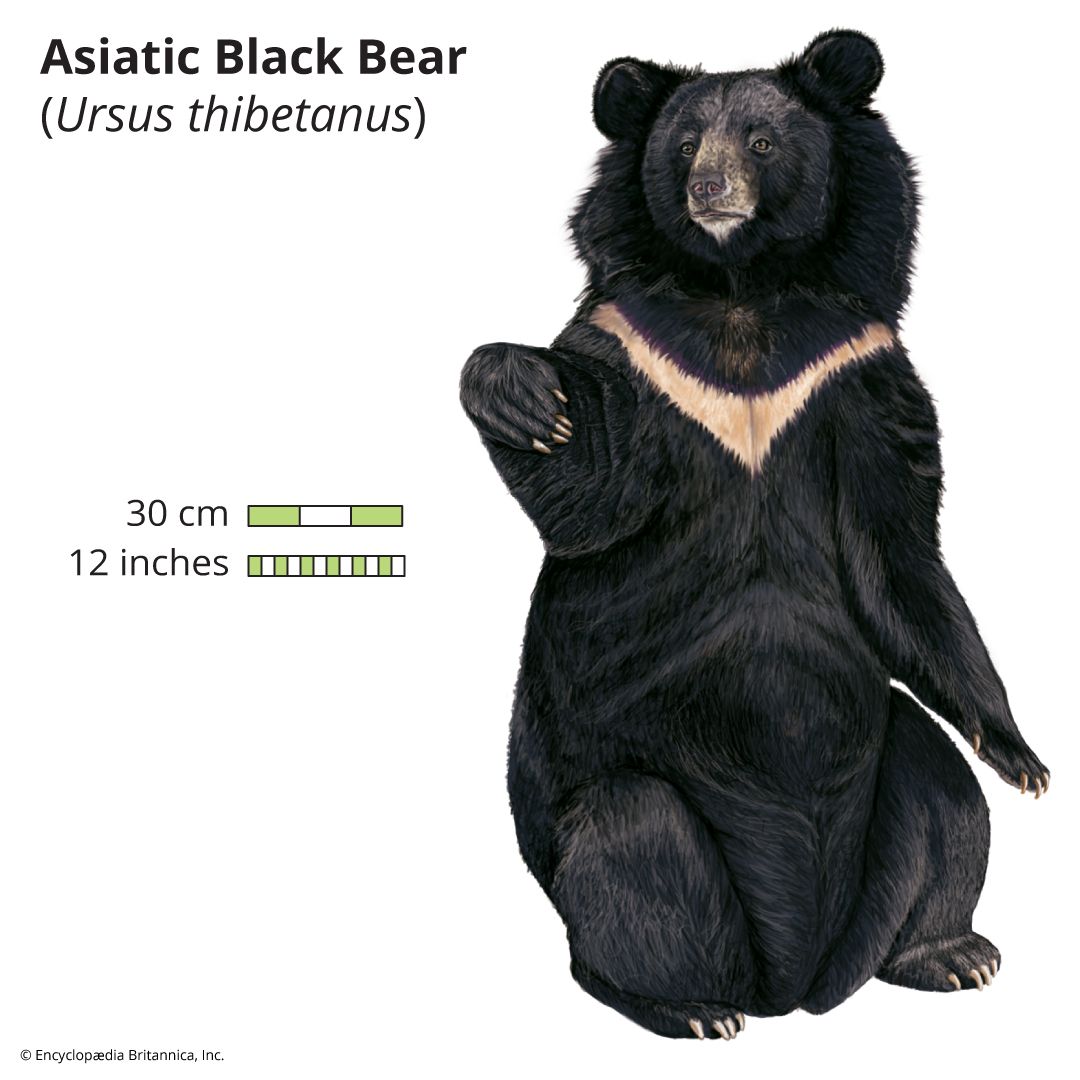
These bears are characterized by their glossy black coats and a distinctive whitish, crescent-shaped mark on their chests. They are omnivorous animals, consuming a diet that includes fruit, nuts, insects, and small mammals.21
The International Union for Conservation of Nature and Natural Resources classifies the species as vulnerable. They face significant threats from habitat loss and poaching, as their gallbladders and bile are highly valued in traditional Asian medicines. It is ethically imperative to protect these animals from such exploitation and the cruel practices associated with the illegal wildlife trade.132
Why are they sometimes called moon bears?
The Asiatic black bear (Ursus thibetanus) is commonly referred to as the “moon bear” because of the distinctive, whitish, crescent-shaped mark found on its chest. This unique marking, which can sometimes appear V-shaped, stands out against the bear’s otherwise glossy black or brownish coat.53
What are the main differences between Asiatic and American black bears?
While the Asiatic black bear (Ursus thibetanus) and the American black bear (Ursus americanus) are similar in size and appearance, they are distinct species with different geographic ranges and conservation statuses.36
Key Differences
- Geographic Range: The American black bear is native to North America, including parts of Mexico. In contrast, the Asiatic black bear is found across a broad range in Asia, spanning from southern Iran through the Himalayas to Japan.63
- Physical Markings: The Asiatic black bear is easily identified by a distinctive, whitish, crescent-shaped mark on its chest and long, coarse hair around its neck and shoulders that forms a modified mane. While American black bears may also have white chest markings, they often appear in a V-shape and are not a universal feature of the species.36
- Conservation Status: The American black bear is classified as a species of least concern, with a robust population estimated at 850,000 to 900,000 individuals. The Asiatic black bear is classified as vulnerable, with estimates suggesting fewer than 60,000 individuals remain due to habitat loss and poaching for traditional medicine.63
How does habitat loss affect bear populations?
Habitat loss is a primary driver of the decline in bear populations worldwide. For most of the eight bear species, habitats have been reduced to mere fractions of their historical extent, leaving many species classified as vulnerable by the International Union for Conservation of Nature.2
When natural environments are fragmented or destroyed, bears are forced into closer proximity with human settlements. This encroachment often leads to direct conflict, as bears may be perceived as pests when they are attracted to human food sources, crops, or livestock. These interactions frequently result in the death of the animals by landowners or government officials. Furthermore, as their range shrinks, bears become more susceptible to other human-related threats, including poaching for body parts like gallbladders and collisions with vehicles. Protecting these remaining wild spaces is essential to ensuring the survival of these species.28
Sources
- Asiatic black bear — Merriam-Webster
- bear - Conservation status — Encyclopædia Britannica
- Asiatic black bear — Encyclopædia Britannica
- black bear — Encyclopædia Britannica
- moon bear — Merriam-Webster
- bear - Evolution and classification — Encyclopædia Britannica
- bear - Natural history — Encyclopædia Britannica
- brown bear — Encyclopædia Britannica
Published on · 3 min read