Aedes
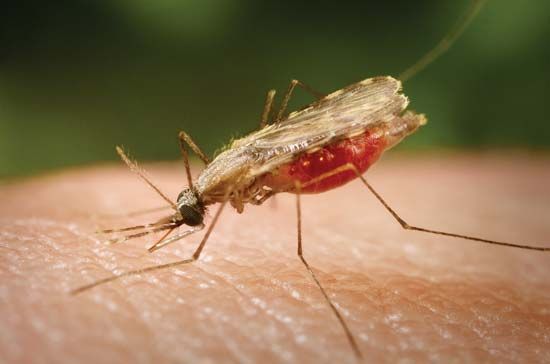
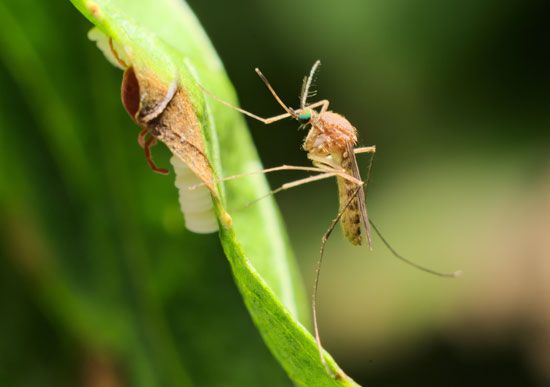
Aedes is a genus comprising more than 950 species of mosquitoes found in tropical and temperate regions worldwide. These insects are significant as both…
What is Aedes?
Aedes is a genus comprising more than 950 species of mosquitoes found in tropical and temperate regions worldwide. These insects are significant as both biting nuisances and as vectors capable of transmitting serious infectious diseases to humans and animals, including dengue, yellow fever, Zika fever, and chikungunya fever.12
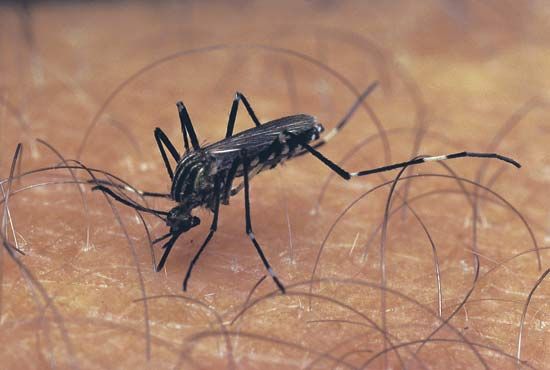
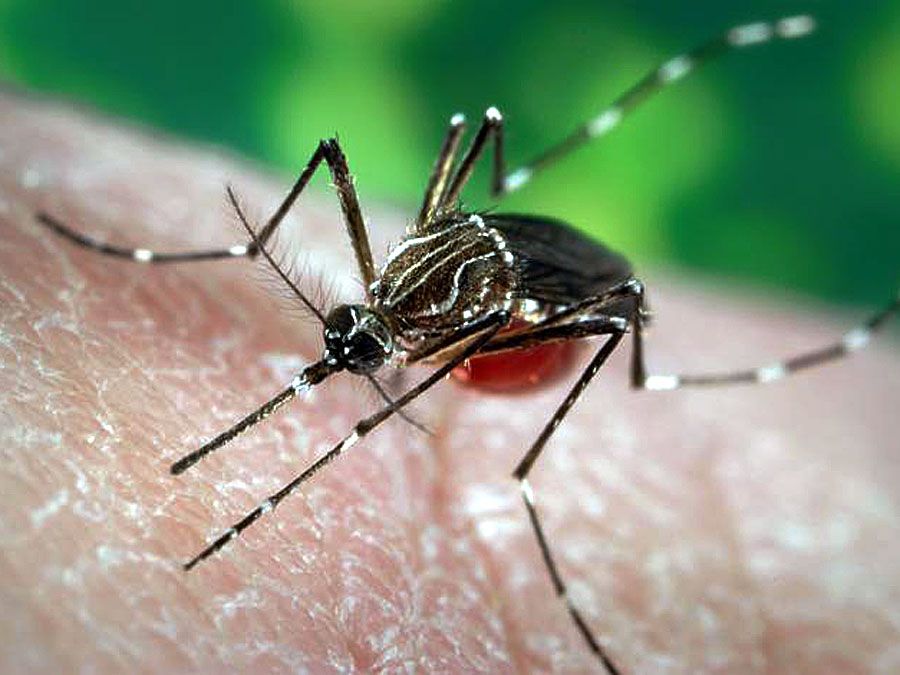
Physically, Aedes mosquitoes are identified by their dark bodies, unique light and dark scale patterns on the thorax and abdomen, and banded legs. Unlike some other genera, they typically hold their bodies parallel to the ground when resting. Their life cycle involves laying eggs in areas prone to flooding, such as marshes or human-made containers; these eggs are remarkably resilient and can survive long periods of desiccation. Notable species include A. aegypti and the invasive Asian tiger mosquito, both of which are primary targets for global disease control efforts.12
How do scientists use bacteria like Wolbachia to control mosquito populations?
Scientists utilize the bacterium Wolbachia pipientis as a biological tool to manage Aedes mosquito populations and curb the spread of disease. By introducing Wolbachia-infected males into the wild, researchers can disrupt the reproductive success of these mosquito populations.
In a notable 2019 study conducted in Guangzhou, China, this method was combined with the release of radiation-sterilized females to target Aedes albopictus. The presence of the bacterium in the males impeded their ability to reproduce effectively and limited their capacity to transmit pathogens. This integrated approach resulted in a 94 percent reduction in the local mosquito population over a three-year period, demonstrating the potential of using pest control strategies that leverage microbial interactions to protect public health.2
What are the primary differences between Aedes and other mosquito genera like Culex?
While both Aedes and Culex are significant mosquito genera that act as disease vectors, they exhibit distinct physical, behavioral, and biological differences.
Physical and Morphological Differences
- Abdomen: The female Aedes abdomen typically tapers to a point with protruding cerci, whereas the Culex abdomen is blunt with retracted cerci.345
- Thorax: Aedes mosquitoes are often identified by a silver thorax with white markings, while Culex lacks specific bristles near the spiracles on the thorax.64
- Legs: Aedes often display alternating light and dark bands on their legs. In contrast, Culex is distinguished by two large hooks at the tip of each leg and soft adhesive pads called pulvilli.65
Life Cycle and Breeding
- Egg Laying: Culex females lay buoyant egg masses (often 100–200 eggs) on the surface of fresh or polluted water. Aedes females deposit eggs singly on moist surfaces near waterlines, such as in containers or flood-prone areas; these eggs are uniquely adapted to survive long periods of desiccation.3645
- Larvae: Culex larvae have long, slender breathing tubes with hair tufts, whereas Aedes larvae possess short, stout respiratory siphons.345
Disease Transmission
- Pathogens: Aedes is a primary vector for viruses such as dengue, yellow fever, Zika, and chikungunya. Culex is primarily associated with West Nile virus, avian malaria, and various forms of encephalitis, such as Japanese and St. Louis encephalitis of encephalitis, such as Japanese and St. Louis encephalitis.156
Why are Aedes eggs able to survive for long periods without water?
Aedes mosquito eggs possess a remarkable ability to survive for long periods without water due to their unique physiological adaptation to desiccation. Unlike many other insects that require a constant aquatic environment for their eggs, Aedes females deposit their eggs on moist surfaces, such as mud or containers, near the waterline.7
Once embryonic development is complete, these eggs enter a state of dormancy. This state allows them to remain viable for many months, effectively protecting them against adverse climatic conditions, including cold winters and extended dry spells. The eggs are highly resistant to water loss, and their structure enables them to maintain this dormant state until they are triggered to hatch by immersion in water. This process is often staggered, as some eggs may require multiple soakings before they successfully hatch, ensuring that the population can persist even in fluctuating environments.87
Sources
- mosquito - Aedes mosquitoes — Encyclopædia Britannica
- Aedes — Encyclopædia Britannica
- mosquito - Culex mosquitoes — Encyclopædia Britannica
- Aedes: Top Questions — Encyclopædia Britannica
- Culex: Top Questions — Encyclopædia Britannica
- Culex — Encyclopædia Britannica
- mosquito - Physical features and behavior — Encyclopædia Britannica
- insect - Egg — Encyclopædia Britannica
- chorion — Encyclopædia Britannica
- Animal development - Adaptations in animals other than mammals — Encyclopædia Britannica
Published on · 3 min read