Culex
Culex is a genus of approximately 770 species of mosquitoes found on every continent except Antarctica. As the most widespread mosquito genus globally, they…
What is Culex?
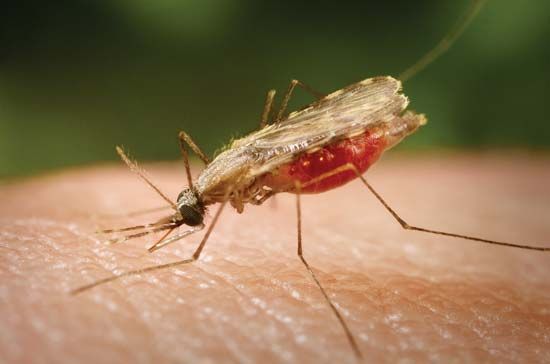
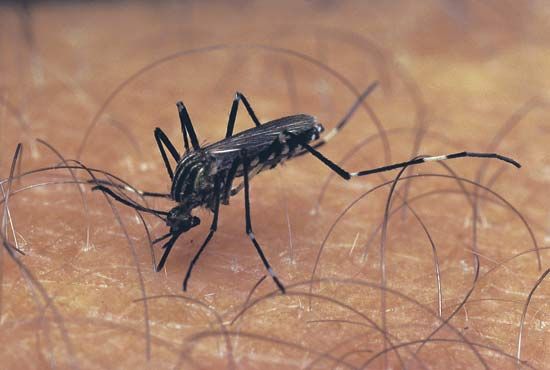
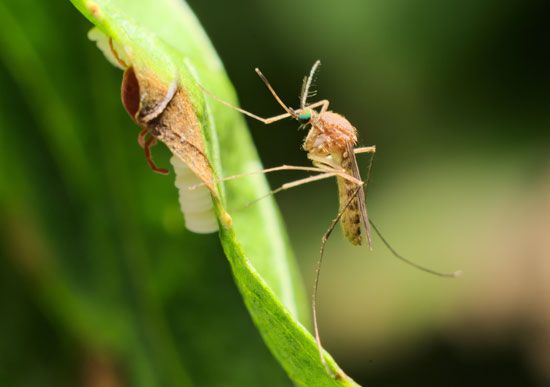
Culex is a genus of approximately 770 species of mosquitoes found on every continent except Antarctica. As the most widespread mosquito genus globally, they are characterized by slender bodies, long legs, and piercing mouthparts.1
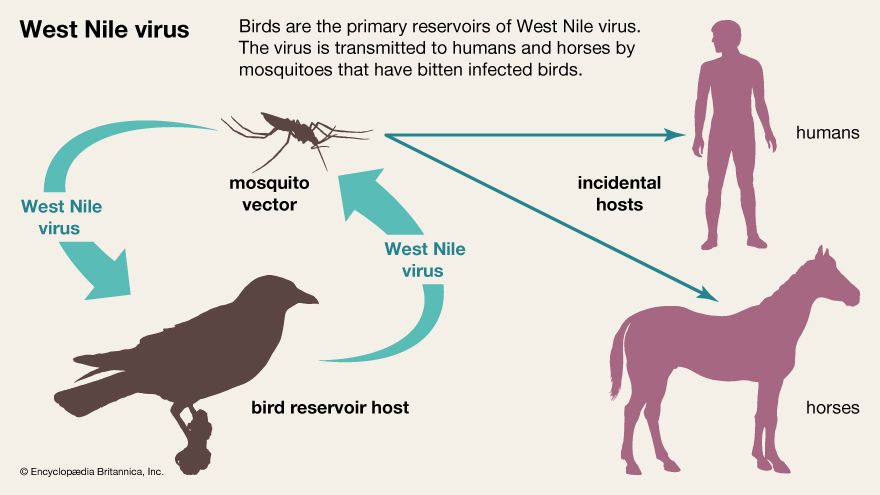
While many species are not harmful to humans, Culex mosquitoes are significant vectors for several serious diseases. They transmit pathogens by feeding on infected birds and subsequently biting humans or other animals. Notable diseases associated with this genus include West Nile virus, Japanese encephalitis, and St. Louis encephalitis.1
Their life cycle consists of four stages: egg, larva, pupa, and adult. Females typically lay their eggs on the surface of freshwater, including artificial containers like water barrels and ditches. While adult males and some females feed on nectar and act as pollinators, females generally require a blood meal to mature their eggs.1
How do mosquitoes contribute to ecosystems as pollinators?
While mosquitoes are primarily known for their role as disease vectors and pests, they serve as important pollinators for thousands of plant species.3
In most mosquito species, males feed exclusively on nectar and other plant juices, and females often do so as well to supplement their diet. As they forage for these sugary fluids, they incidentally transfer pollen between flowers. Because mosquitoes possess long tongues, they are particularly effective at pollinating certain plants, such as Habenaria orchids found in North American swamps.3456
Beyond their role in pollination, mosquitoes contribute to ecosystems by serving as a vital food source for a wide range of animals, including fishes, birds, frogs, lizards, and spiders. In some regions, such as the Arctic, their presence even influences the migration behavior of caribou, which helps protect certain plant habitats from being overgrazed or crushed by herds.3
What are the primary differences between Culex and other mosquito genera like Anopheles?
The genus Culex is distinct from other mosquito genera, such as Anopheles, in several key biological and behavioral characteristics. While the provided search results do not detail the specific anatomy of Anopheles, they highlight the unique identifiers of Culex that distinguish them from other types of mosquitoes.
Key Distinctions of Culex
- Physical Anatomy: Culex mosquitoes are identified by the presence of two conspicuously large hooks at the tip of each leg and soft adhesive pads called pulvilli between those hooks. Additionally, they lack bristles near the spiracles on the sides of the thorax.7
- Resting Posture: When resting, a Culex mosquito holds its body parallel to the surface, with its proboscis bent downward relative to that surface.17
- Egg-Laying Behavior: Culex females lay their eggs in masses of 100 to 200, which float together on the surface of freshwater, including standing or polluted water.17
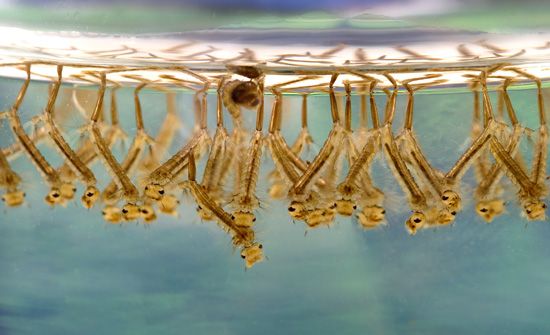
- Larval Development: Culex larvae are slender and possess a breathing tube near the tip of the abdomen that contains distinctive hair tufts. They hang from the water surface at a 45° angle while feeding on microorganisms.17
While Culex mosquitoes are primary vectors for viruses like West Nile virus and various forms of encephalitis, they do not transmit human malaria.7
How do scientists track the spread of viruses like West Nile through bird populations?
Scientists track the spread of West Nile virus by monitoring infection rates across bird, human, and equine populations. Because the virus is highly fatal to certain avian species, particularly crows and other corvids, the detection of sick or deceased birds serves as a primary indicator of the virus’s presence in a region.8
Surveillance efforts also involve isolating the virus directly from mosquitoes and testing for the presence of antibodies in animals like horses. These data points help public health officials understand the geographic movement of the virus, which is often facilitated by migratory birds. Annual fluctuations in reported cases are further analyzed in relation to weather patterns, as environmental conditions significantly influence both mosquito population density and the rate of viral replication.8
Sources
- Culex — Encyclopædia Britannica
- culex — Merriam-Webster
- What Purposes Do Mosquitoes Serve in Ecosystems? — Encyclopædia Britannica
- mosquito - Physical features and behavior — Encyclopædia Britannica
- major types of pollinators - Beetles and flies — Encyclopædia Britannica
- pollination - Beetles and flies — Encyclopædia Britannica
- mosquito - Culex mosquitoes — Encyclopædia Britannica
- West Nile virus — Encyclopædia Britannica
- West Nile virus — Merriam-Webster
Published on · 3 min read