Atlas Mountains
The provided search results do not contain information regarding the specific portrayal of the Atlas Mountains in literature and art throughout history.
How have the Atlas Mountains been portrayed in literature and art throughout history?
The provided search results do not contain information regarding the specific portrayal of the Atlas Mountains in literature and art throughout history.
While the mountains are named after the figure of Atlas from Greek mythology—who was famously depicted in classical art holding up the heavens or a celestial globe—the historical artistic and literary representations of the mountain range itself are not detailed in the available documentation. The current records focus primarily on the region’s geography, economic resources, and the history of European exploration and control in northwestern Africa.
Sorry, the Britannica knowledge base does not contain this information.
What indigenous cultures and peoples have inhabited the Atlas Mountains region?
The Atlas Mountains have long served as a refuge for the Berber people, the indigenous inhabitants of North Africa who fled to these rugged highlands to escape successive invasions. By preserving their distinct languages, traditions, and social structures, these communities have maintained a unique cultural identity despite the broader historical influence of Islam and Arabization in the region.67
Indigenous Groups and Regional Diversity
Berber society in the Atlas region is characterized by both fundamental homogeneity and significant local diversity:
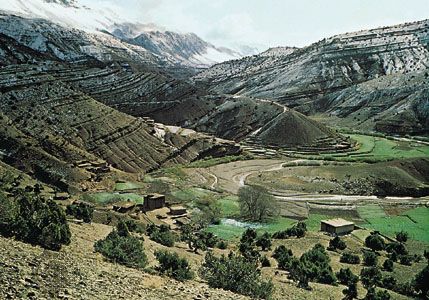
- Ishelhiyen (Shluh): Inhabiting the deep river valleys of the High Atlas in Morocco, these communities practice a mix of sedentary agriculture and seasonal transhumance, grazing livestock on high pastures during the summer.6
- Kabyle and Rif: The Kabyle of Algeria and the Rif of Morocco are known for their isolationism and reliance on arboriculture, particularly fig and olive trees, rather than large-scale stock raising.6
- Shawia (Chaouïa): Located in the Aurès Mountains of northeastern Algeria, these populations follow a seminomadic lifestyle, moving between terraced stone villages and lowland areas with their flocks.6
Social Structure and Governance
Traditional Berber life is organized around the family unit and governed by a code of customary law known as kanun6. Communities are typically managed by a council of elders, the jamāʿah, which oversees property and social disputes. Villages are often fortified and perched on mountain crests, reflecting a historical need for defense and a desire to preserve social cohesion.67
What role did the Atlas Mountains play during the colonial period in North Africa?
During the colonial period in North Africa, the Atlas Mountains served as a significant focal point for European administrative and military strategies, particularly under French and Spanish influence.4
Colonial Administration and Strategy
- Divide and Rule: French colonial authorities, particularly in Morocco and Algeria, utilized the geographical and cultural isolation of the mountain regions to implement a “divide and rule” policy. By emphasizing the distinction between the Arab-majority lowlands and the Berber-inhabited highlands, colonial administrators treated the mountain populations as a separate entity, often citing their pre-Islamic history to justify distinct administrative policies.7
- Military Control: To secure control over these previously fragmented and often autonomous regions, colonial powers engaged in extensive infrastructure development. The construction of roads and railways through the mountains was a strategic priority, designed to facilitate the movement of troops and goods, thereby extending the reach of government authority into areas that had historically resisted lowland control.4
- Strategic Passes: Mountain passes, such as the Taza Pass, were recognized as critical strategic points. Controlling these natural conduits allowed colonial powers to manage movement between the Mediterranean coast and the interior regions.9
Impact on Indigenous Populations
Colonial studies of the Berber people—including anthropological research and linguistic documentation—were used to formalize their identity under the “Berber” label. While these policies provided a record of traditional customs, they also created lasting political tensions. In some instances, such as in 1953, colonial authorities actively leveraged these divisions to undermine local leadership, such as the Moroccan sultan, which later fueled nationalist resentment and shaped post-independence political identities.7
What are the major peaks and ranges within the Atlas Mountains?
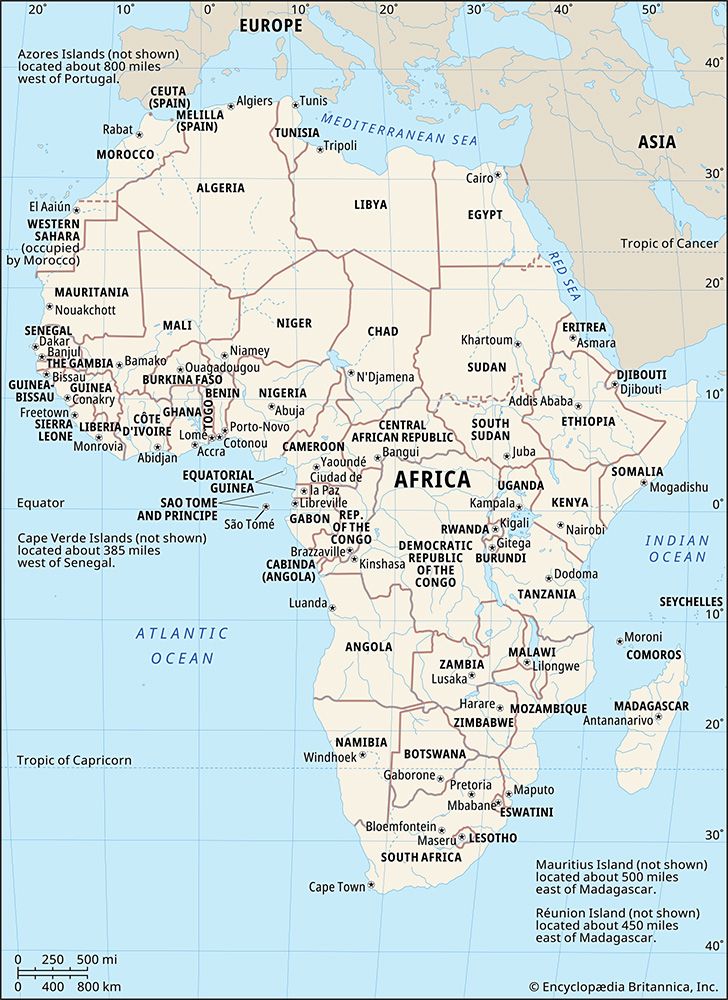
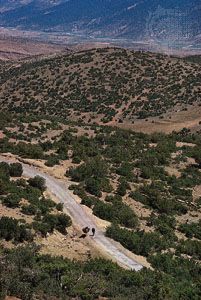
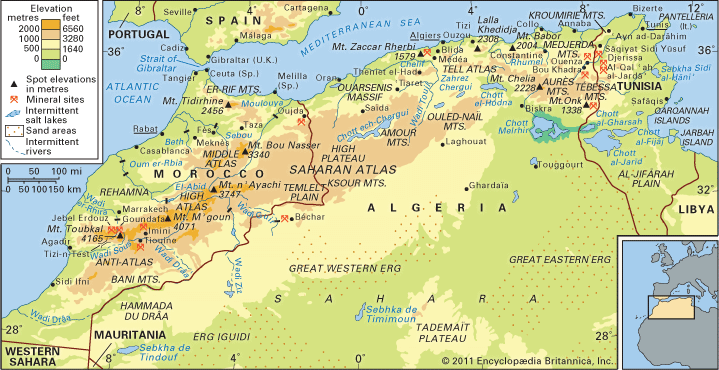
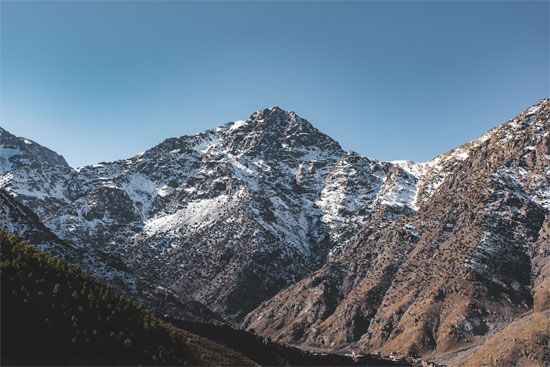
The Atlas Mountains form an extensive system stretching over 1,200 miles across Morocco, Algeria, and Tunisia. The system is divided into several major chains and massifs, each with distinct geographical features.
Major Mountain Chains
- High Atlas (Haut Atlas): Located in Morocco, this is the most prominent chain, culminating in Mount Toubkal, which at 13,665 feet (4,165 meters) is the highest peak in the entire system.81011
- Tell Atlas: The northern section of the system, known for receiving sufficient rainfall to support forests. It includes the Great Kabylie and the Ouarsenis Massif.108
- Saharan Atlas: The southern section, which faces desert influences. It includes ranges such as the Ksour, Amour, Ouled-Naïl, Zab, Aurès, and Tébessa mountains and Tébessa mountains.1112
- Middle Atlas (Moyen Atlas): Trends northward from the High Atlas, reaching heights of 10,958 feet.11
- Anti-Atlas: Extends southwest from the High Atlas toward the Atlantic Ocean.11
- Rif Mountains (Er-Rif): A crescent-shaped range in northern Morocco along the Mediterranean coast.1011
Notable Peaks
Peak
Elevation (feet)
Location
Mount Toubkal
13,665
High Atlas, Morocco
Mount Tidirhine
8,058
Rif Mountains, Morocco
Mount Chelia
7,638
Aurès Mountains, Algeria
Lalla Khedidja
7,572
Great Kabylie, Algeria
Mount ash-Shanabi
5,066
Tunisia
Sources
- Atlas Mountains — Encyclopædia Britannica
- Atlas Mountains - Resources — Encyclopædia Britannica
- Atlas — Encyclopædia Britannica
- Atlas Mountains - Study and exploration — Encyclopædia Britannica
- Atlas Mountains — Merriam-Webster
- Atlas Mountains - The people — Encyclopædia Britannica
- Berber — Encyclopædia Britannica
- Exploring 7 of Earth’s Great Mountain Ranges - Atlas Mountains — Encyclopædia Britannica
- Atlas Mountains - Transportation — Encyclopædia Britannica
- Mount Toubkal — Encyclopædia Britannica
- Atlas Mountains - Physiography — Encyclopædia Britannica
- Saharan Atlas — Encyclopædia Britannica
- Morocco - Relief of Morocco — Encyclopædia Britannica
Published on · 4 min read