Bandama River
The Bandama River is the longest and most commercially significant river in Côte d’Ivoire. Rising in the northern highlands as the White Bandama, it flows…
What is Bandama River?
The Bandama River is the longest and most commercially significant river in Côte d’Ivoire. Rising in the northern highlands as the White Bandama, it flows 497 miles (800 km) southward, eventually reaching the Gulf of Guinea and the Tagba Lagoon near Grand-Lahou.1
Together with its primary tributaries—the Red Bandama (Marahoué) and the Nzi—the river system drains half of the country’s total surface area. The river is vital to the nation’s infrastructure and economy:1
- Energy: The Kossou Dam, the largest in the country, features a hydroelectric plant that supplies power to Côte d’Ivoire.1
- Industry: The river supports major agricultural fishery projects and facilitates the transport of timber and manganese for export via the Asagny Canal to Abidjan.1
- Navigation: The lower section of the river is navigable for approximately 35 miles (56 km) upstream from its mouth.1
How does the Kossou Dam generate electricity?
The Kossou Dam generates electricity by utilizing the principles of hydroelectric power. By impounding the Bandama River, the dam creates a reservoir that stores water at a higher elevation, establishing a “head”—the vertical distance between the water level and the turbines located in the powerhouse.2
The process follows these steps:
- Water Intake: Water is directed from the reservoir downward through large pipes or tunnels known as penstocks.2
- Mechanical Conversion: As the water flows down, its potential energy is converted into kinetic energy. This falling water strikes the blades of turbines, causing them to rotate.2
- Electricity Generation: The rotating turbines drive generators, which convert the mechanical energy into electricity.2
- Transmission: Transformers then increase the voltage of the generated electricity to make it suitable for long-distance transmission to the power grid.2
What are the main agricultural products of Ivory Coast?
Agriculture is a cornerstone of the economy in Côte d’Ivoire, providing a livelihood for more than half of the labor force. The country’s agricultural output is divided between subsistence farming and commercial export crops.3
Export and Commercial Crops
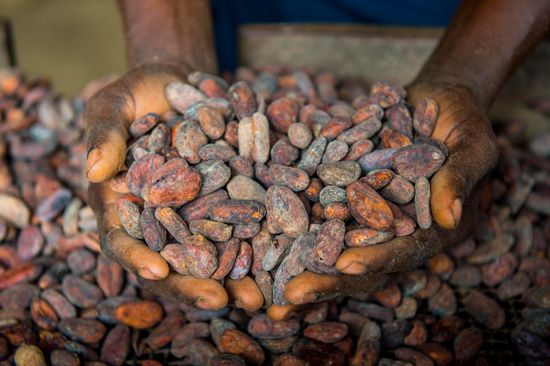
- Cocoa Beans: Côte d’Ivoire is the world’s leading producer of cocoa beans, which serve as the country’s primary export crop.43
- Coffee: A significant business venture, particularly in the southeast, though its export value has fluctuated.3
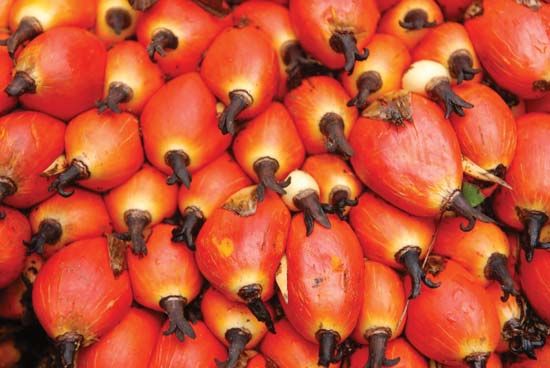
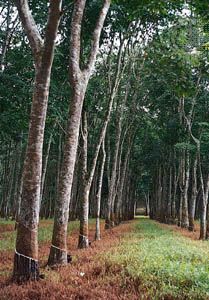
- Oil Palm and Rubber: The southwest region provides ideal conditions for oil palm and rubber tree cultivation.3
- Fruit: Pineapples are a valuable export crop grown near the coast.35
- Other: Coconut trees are cultivated for copra, and cotton and sugarcane are grown in both forest and savanna regions.3
Subsistence Crops
Locally grown crops meet most rural domestic needs, including:
- Staples: Yams, cassava, plantains, and corn.3
- Cereals: Rice and other cereals are primarily grown in the savanna soils.3
What other major rivers flow through West Africa?
West Africa is home to several major river systems that play vital roles in the region’s geography, economy, and hydrology. Beyond the Niger River, which is the region’s most significant waterway, other major rivers include:
- Sénégal River: Flowing through Guinea, Mali, Mauritania, and Senegal, this river is essential for irrigation and hydroelectric power, with projects like the Manantali and Diama dams supporting regional development.67
- Gambia River: Originating in the Fouta Djallon highlands of Guinea, it flows northwestward through Senegal and The Gambia before reaching the Atlantic Ocean.8
- Volta River: Located in Ghana, this river is famously impounded by the Akosombo Dam, which created Lake Volta, one of the world’s largest reservoirs, used for power generation, irrigation, and fishing.9
- Rivers of Côte d’Ivoire: Several major rivers, including the Sassandra, the Bandama, the Komoé, and the Cavally River, drain southward into the Gulf of Guinea. While their rapids limit navigation, they are significant for their hydroelectric potential.10
Sources
- Bandama River — Encyclopædia Britannica
- hydroelectric power — Encyclopædia Britannica
- Côte d’Ivoire: Top Questions — Encyclopædia Britannica
- Côte d’Ivoire - Agriculture, forestry, and fishing — Encyclopædia Britannica
- Africa - Fruits and vegetables — Encyclopædia Britannica
- Guinea - Drainage and soils — Encyclopædia Britannica
- Niger River - Physiography — Encyclopædia Britannica
- Sénégal River — Encyclopædia Britannica
- Akosombo Dam — Encyclopædia Britannica
- Niger River - People and economy — Encyclopædia Britannica
- Africa - Surface water — Encyclopædia Britannica
- Niger River - Irrigation — Encyclopædia Britannica
- Côte d’Ivoire - Drainage — Encyclopædia Britannica
Published on · 3 min read