Ailsa Craig
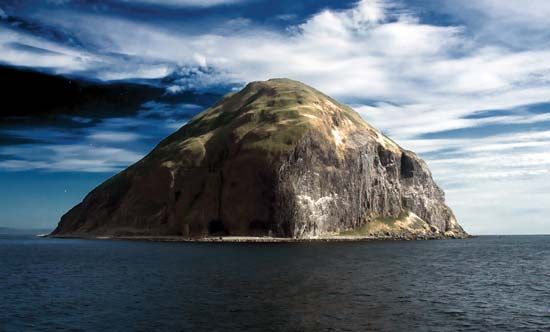
Ailsa Craig is a granite islet located in the South Ayrshire council area of Scotland. Situated at the mouth of the Firth of Clyde, it is famously nicknamed…
What is Ailsa Craig?
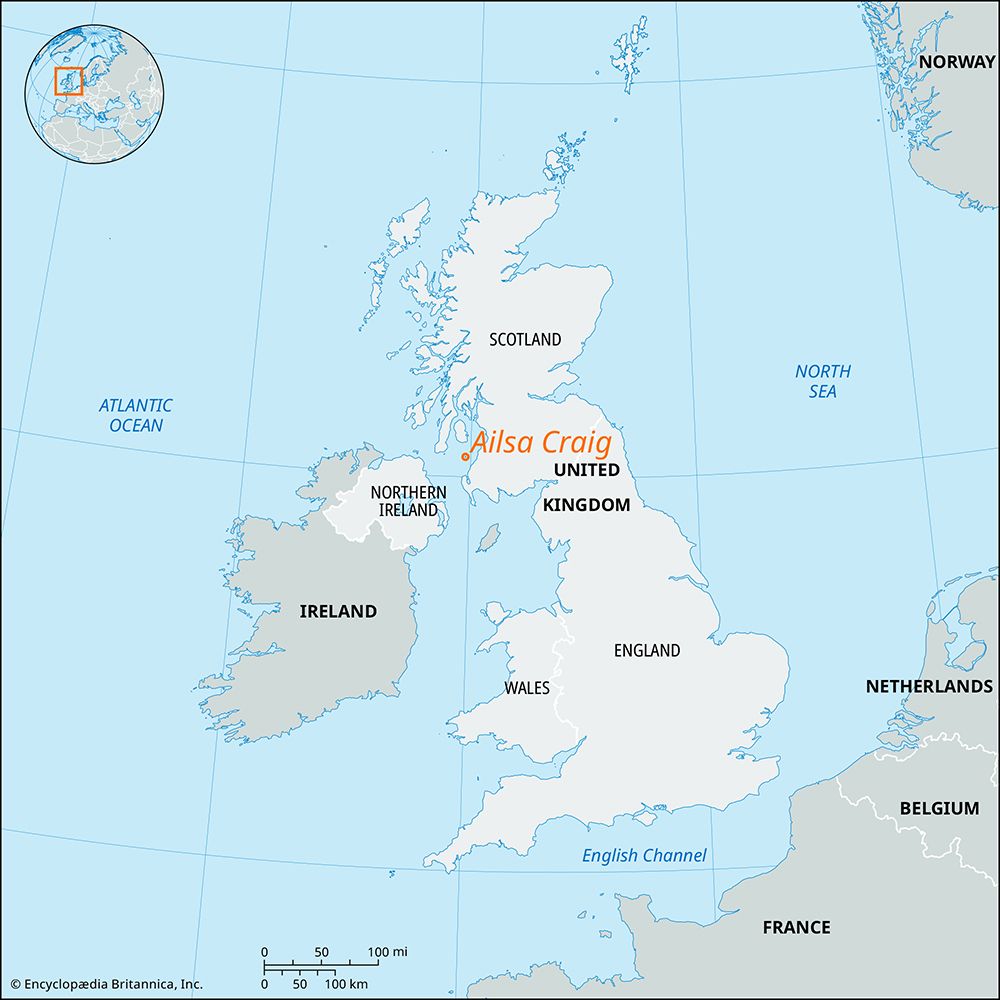
Ailsa Craig is a granite islet located in the South Ayrshire council area of Scotland. Situated at the mouth of the Firth of Clyde, it is famously nicknamed “Paddy’s Milestone” because it sits roughly halfway between Glasgow and Belfast.1
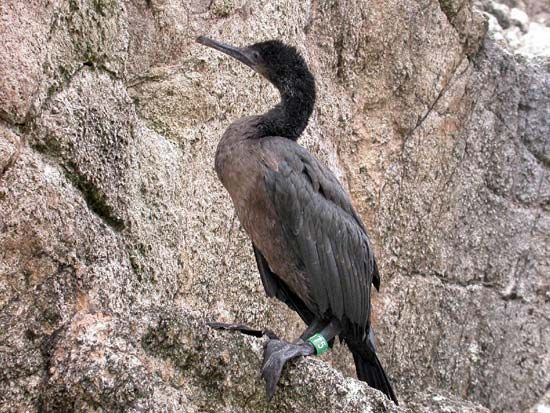
The island’s name is believed to originate from Gaelic terms meaning “Fairy Rock”. Rising steeply to an elevation of 1,114 feet (340 meters), the islet is known for its unique granite, which has historically been quarried to produce curling stones—often referred to as “Ailsas”—as well as paving stones. While the island is largely rugged and supports only sparse vegetation, its precipices serve as a vital habitat for large breeding colonies of gannets and other seabirds.1
How are curling stones manufactured from granite?
Sorry, the Britannica knowledge base does not contain information regarding the specific manufacturing process of curling stones from granite.
What makes the gannet colonies on Ailsa Craig unique?
The gannet colonies on Ailsa Craig are notable primarily for their size and their choice of habitat. These birds utilize the island’s steep, rugged precipices as a nesting ground, which provides a secure environment for large breeding populations of gannets and various other seabirds.1
While the island is characterized by its granite composition and sparse vegetation, these cliffs serve as a vital sanctuary for these avian colonies, making the islet a significant site for ornithology in the Firth of Clyde.1
What is the history of the Firth of Clyde?
The Firth of Clyde is the estuary of the River Clyde, Scotland’s most significant river. Historically, the region’s development is inextricably linked to the industrial evolution of the Clyde itself. Following the expansion of trade with the New World in the 18th century, the river was dredged and deepened to make it navigable to Glasgow, transforming the city into a global hub for shipbuilding and heavy industry.3
The economy of the surrounding areas, such as Inverclyde, relied heavily on docks, marine engineering, and shipbuilding in ports like Greenock and Port Glasgow. While these traditional industries faced significant decline during the late 20th century due to foreign competition, the region adapted; Greenock’s container port remains a vital shipping hub, and the area has diversified into electronics and service sectors. Beyond its industrial history, the estuary—which extends roughly 65 miles to Ailsa Craig—has long been a popular destination for tourism.34
Sources
- Ailsa Craig — Encyclopædia Britannica
- Ailsa Craig — Merriam-Webster
- River Clyde — Encyclopædia Britannica
- Inverclyde — Encyclopædia Britannica
- River Forth — Encyclopædia Britannica
Published on · 2 min read