Ornithology
Ornithology is the branch of zoology dedicated to the study of birds.
What is ornithology and what does it encompass as a field of study?
Ornithology is the branch of zoology dedicated to the study of birds.12
The field encompasses a wide range of scientific inquiry, evolving from early anecdotal observations and classification to modern, rigorous research. Key areas of study include:
- Taxonomy and Anatomy: Historically focused on describing and classifying species, the field also examines internal anatomy to understand functional adaptations.1
- Ecology and Behavior: Researchers study animal behavior (ethology), migration, and how habitat diversity influences biodiversity.13
- Physiology and Evolution: Birds serve as critical models for understanding natural selection, genetics, and the effects of hormones on physiology.3
Ornithology is unique because it relies heavily on both professional scientists and nonprofessional contributors. Research is conducted through field observations and advanced techniques, including bird banding, radar tracking, and the use of telemeters to monitor movements and plumage patterns.1
How has ornithology contributed to our understanding of evolution and ecology?
Ornithology has played a foundational role in the development of modern biological sciences, particularly regarding our understanding of evolution and ecology.
Contributions to Evolutionary Theory
The study of birds provided critical evidence for Charles Darwin as he formulated the theory of natural selection. His observations of Galapagos finches during the voyage of the HMS Beagle highlighted how isolated populations adapt to unique environmental conditions, leading to speciation.34
Furthermore, ornithology has been instrumental in bridging the gap between dinosaurs and modern birds. The discovery of fossils such as Archaeopteryx and various feathered theropods in China has provided compelling evidence that birds are descendants of small theropod dinosaurs. Research into these specimens has revealed that feathers likely evolved for insulation, display, or camouflage long before they were adapted for flight.56
Contributions to Ecology
Ornithology has significantly advanced ecological research through:
- Behavioral Studies: The field of ethology, pioneered by researchers like Konrad Lorenz and Nikolaas Tinbergen, relies heavily on bird behavior to understand instinct and social interaction.37
- Biodiversity and Distribution: Ecological studies of birds have mapped how biodiversity varies by region, influenced by habitat diversity and migration routes.1
- Physiology: Birds serve as key models for studying the effects of hormones on physiology and functional adaptations.17
What are the main branches or subdisciplines within ornithology?
Ornithology is a multifaceted branch of zoology that has evolved from early descriptive work into a diverse scientific field. While it does not always use rigid departmental labels, the study of birds is organized into several key subdisciplines and areas of inquiry:
- Taxonomy and Systematics: Historically the primary focus of the field, this area involves the description, classification, and naming of species. Modern systematists use structural characteristics, internal anatomy, and advanced DNA sequence analysis to determine evolutionary relationships and construct phylogenetic trees.189
- Anatomy and Morphology: This subdiscipline examines the physical structure of birds, including skeletal systems, musculature, and plumage. Research often focuses on functional adaptations, such as how specific bone arrangements or feather types support flight, insulation, or display.19
- Ethology (Behavioral Biology): This field investigates innate behaviour, such as reproductive patterns, territoriality, social interactions, and ritualized displays. It also explores how birds respond to auditory and visual stimuli.110
- Ecology: Ornithologists in this area study the distribution of birds, their migration patterns, and how they interact with their habitat and other species.1
How do scientists use bird banding to track migration patterns?
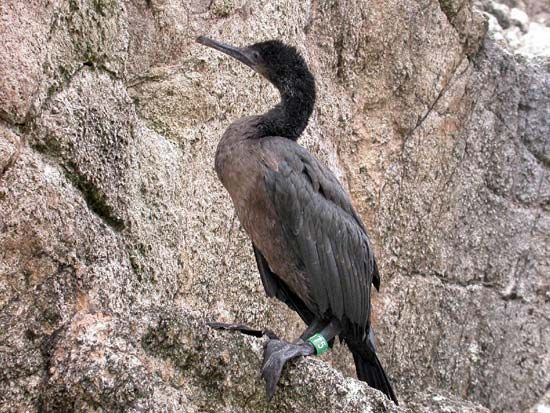
Scientists use bird banding—also known as ringing—as a primary method to track the movements and longevity of individual birds. This process involves marking birds with unique, numbered leg bands, which allows researchers to identify specific individuals when they are recaptured or observed at different locations over time.1
By coordinating these banding systems across various countries, ornithologists can collect data on a massive scale, with hundreds of thousands of birds marked annually. This information is essential for mapping migration routes and understanding dispersal patterns.1
To supplement banding, researchers often employ additional marking techniques such as plumage dyes or plastic tags on legs and wings. These visual markers enable amateur bird-watchers to assist in data collection by reporting sightings, which provides valuable information without the need to physically trap the birds again. When combined with other technologies like radar and radio transmitters, these methods provide a comprehensive view of how birds navigate and utilize different habitats throughout their life cycles.1
Sources
- Ornithology — Encyclopædia Britannica
- ornithology — Merriam-Webster
- Bird: Top Questions — Encyclopædia Britannica
- dinosaur - Dinosaur descendants — Encyclopædia Britannica
- Origins of Birds — Encyclopædia Britannica
- Bird - Importance to man — Encyclopædia Britannica
- What Darwin Got Right (and Wrong) About Evolution — Encyclopædia Britannica
- Bird - Distinguishing taxonomic features — Encyclopædia Britannica
- Passeriform - Distinguishing taxonomic features — Encyclopædia Britannica
- Bird - Behaviour — Encyclopædia Britannica
- birdbander — Merriam-Webster
- Bird-watching — Encyclopædia Britannica
- Migration - Birds — Encyclopædia Britannica
Published on · 3 min read