Balabac
Balabac is an island located in the extreme southwestern Philippines, situated approximately 19 miles southwest of Palawan and north of Borneo.
What is Balabac?
Balabac is an island located in the extreme southwestern Philippines, situated approximately 19 miles southwest of Palawan and north of Borneo.1
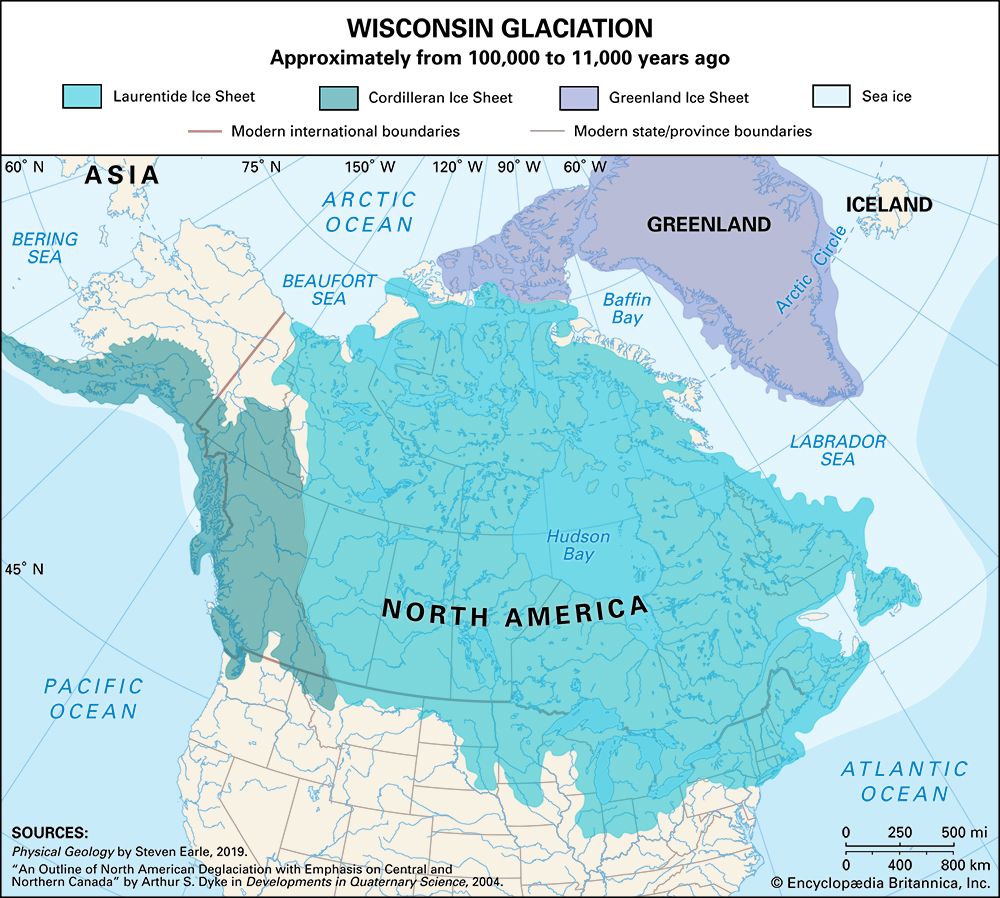
Geologically, the island is part of the Balabac-Bugsuk island group, which serves as a remnant of a land bridge that once connected Palawan to Borneo during the Pleistocene Epoch. Consequently, its flora and fauna share closer biological ties to Borneo than to the rest of the Philippine archipelago.2
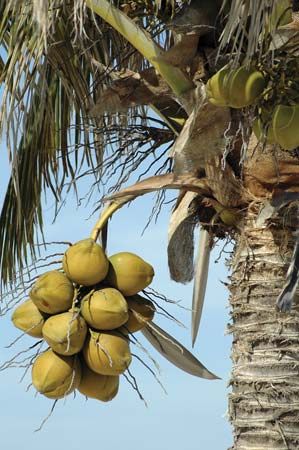
The island features a mountainous terrain reaching elevations of about 1,890 feet, with swamps on its northwestern coast and coral reefs fringing its western shores. Balabac is notably recognized for its rare glory-of-the-seas cone shells. The local economy relies heavily on coconuts, and the population is primarily composed of Muslim (Moro) communities, with Balabac town serving as the main settlement center.12
How did land bridges influence the wildlife of the Philippines?
Land bridges have historically served as vital corridors that allowed various species of plants and animals to extend their ranges into new territories. In the context of the Philippines, these geological features played a significant role in shaping the archipelago’s unique biological composition.3
Specifically, the Balabac and Bugsuk island groups, located off the southern tip of Palawan, are remnants of a land bridge that connected Palawan to Borneo during the Pleistocene Epoch. Because of this ancient connection, the vegetation and wildlife found in these areas exhibit a much closer evolutionary relationship to the fauna and flora of Borneo than to the rest of the Philippine islands. While the broader Philippine archipelago shares general botanical similarities with Malaysia and the Malay Archipelago, these specific land bridge remnants highlight how localized geological history can create distinct pockets of biodiversity within a larger island nation.42
What are the unique characteristics of the glory-of-the-seas cone shell?
The glory-of-the-seas cone (Conus gloriamaris) is a marine snail belonging to the family Conidae. Its unique characteristics include:
- Appearance: The shell typically measures between 10 and 13 cm (4 to 5 inches) in length. It is distinguished by a golden-brown coloration overlaid with a fine, intricate net pattern.5
- Historical Rarity: For much of the 19th and 20th centuries, the species was exceptionally rare, with fewer than 100 known specimens in existence. This scarcity once made it the most valuable shell in the world.5
- Habitat Discovery: The shell’s status changed significantly in 1969 when divers located its natural habitat on the sandy seafloor near the Philippines and Indonesia. Following this discovery, hundreds of specimens were collected, which greatly diminished its market value.5
- Biological Traits: Like other members of the genus Conus, it possesses a specialized mechanism to inject a paralyzing toxin via a dart, which it uses to capture prey such as worms and mollusks.5
What is the significance of the Tabon Caves in Palawan?
Sorry, the Britannica knowledge base does not contain information regarding the significance of the Tabon Caves in Palawan.
Sources
- Balabac — Encyclopædia Britannica
- Palawan — Encyclopædia Britannica
- land bridge — Encyclopædia Britannica
- Philippines - Plant and animal life — Encyclopædia Britannica
- cone shell — Encyclopædia Britannica
- 11 Caves That Made History - Atapuerca Caves — Encyclopædia Britannica
Published on · 2 min read