Almond
Almonds (Prunus dulcis) are highly regarded for their nutritional profile, as they are rich in protein and fat. Specifically, they are a notable source of…
What are the nutritional benefits of almonds?
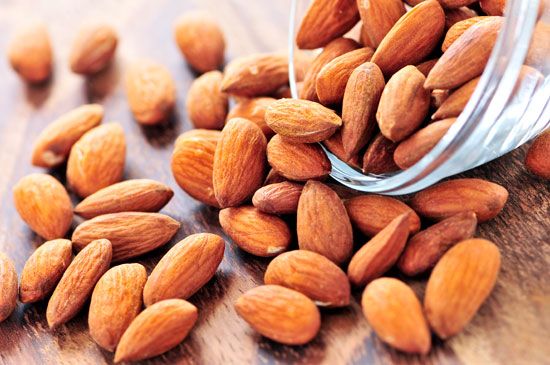
Almonds (Prunus dulcis) are highly regarded for their nutritional profile, as they are rich in protein and fat. Specifically, they are a notable source of healthy monounsaturated fats, which are beneficial for a balanced diet.123
In addition to these macronutrients, almonds provide a variety of essential vitamins and minerals, including:
- Vitamins: They contain vitamin E, as well as vitamins A and the B complex.31
- Minerals: They offer small amounts of iron, calcium, phosphorus, copper, manganese, and magnesium.312
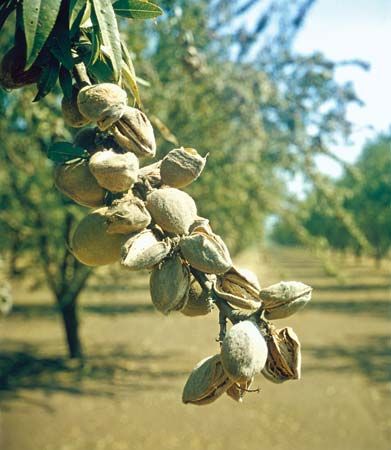
While often referred to as nuts, almonds are botanically classified as seeds enclosed in a hard fruit covering. Whether consumed raw, roasted, or as almond butter, they serve as a nutrient-dense food source used in a wide range of culinary applications.13
What are some common uses of almonds in cooking and industry?
Almonds are versatile ingredients utilized extensively in both culinary arts and industrial applications.
Culinary Uses
Sweet almonds are the primary variety consumed as food. They can be eaten raw, blanched, or roasted and are a staple in confectionery baking. Common culinary preparations include:2
- Pastries and Confections: Almonds are used to create marzipan, a sweet paste used in various candies and baked goods.2
- Savory Dishes: In many Asian cuisines, almonds are incorporated into meat, poultry, fish, and vegetarian recipes.2
- Flavoring Extracts: The oil derived from bitter almonds is processed to remove prussic acid and is then used to manufacture flavoring extracts for foods and liqueurs, such as amaretto.2
Industrial and Other Uses
Beyond direct consumption, almonds are processed into various forms for broader use:
- Almond Oil: Extracted from sweet almonds, this oil is used as a culinary ingredient and in other industrial applications.2
- Almond Meal: This powder, made from ground blanched almonds, is used as an ingredient in the production of various cosmetics and perfumes production of various cosmetics and perfumes.4
What are the different varieties of almonds and how do they differ?
Almonds (Prunus dulcis) are categorized into two primary varieties based on their chemical composition and culinary use: sweet almond (P. dulcis, variety dulcis) and bitter almond (P. dulcis, variety amara).2
Key Differences
While both varieties share a similar chemical makeup—containing 35 to 55 percent fixed oil and the enzyme emulsin—they differ significantly in their specific compounds and safety for consumption:2
- Sweet Almonds: These are the familiar, edible variety consumed as snacks, used in confectionery baking, or processed into almond oil and almond meal. They contain only trace amounts of amygdalin.23
- Bitter Almonds: These contain amygdalin, which produces benzaldehyde and prussic (hydrocyanic) acid. Because of this, the oil of bitter almonds must have the toxic prussic acid removed before it can be safely used to manufacture flavoring extracts for foods and liqueurs like amaretto.23
Beyond these two main varieties, there are many specific cultivars grown for agricultural production, such as Marcona, Valencia, and Ferragnes, which are often distinguished by their origin and growing characteristics.2
How do almond trees pollinate and what role do bees play in almond production?
Almond trees (Prunus dulcis) are self-incompatible, meaning they cannot fertilize themselves and require cross-pollination between different cultivars to produce fruit. Because of this biological requirement, the trees rely heavily on insect pollinators to transfer pollen between flowers.5
The Role of Honeybees
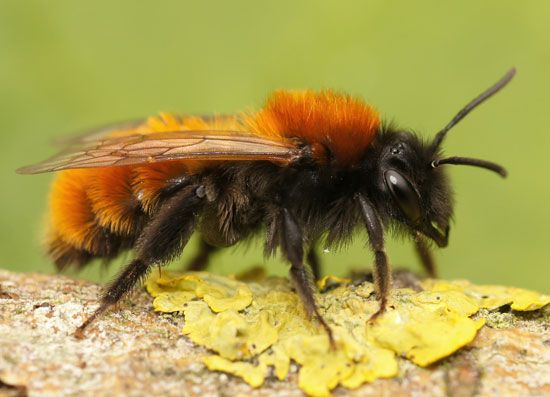
The western honeybee is the primary agent for this process, particularly in large-scale industrial orchards. During the brief spring flowering season, growers facilitate this by placing managed beehives throughout their orchards.67
- Scale of Operation: The annual pollination of California’s almond orchards is the largest managed pollination event in the world, requiring over two million honeybee colonies to support a multibillion-dollar industry.85
- Orchard Management: Growers typically rent hives and distribute them at a recommended rate of two colonies per acre to ensure efficient coverage.75
- Economic Impact: This reliance is so profound that the industry depends almost exclusively on these imported bees to secure the harvest. However, this system faces significant risks from colony collapse disorder, which threatens the stability of both bee populations and global almond production.685
Sources
- monounsaturated fat — Merriam-Webster
- Almond — Encyclopædia Britannica
- Did you know? — Merriam-Webster
- almond meal — Merriam-Webster
- western honeybee - Importance — Encyclopædia Britannica
- Pollination - Bees — Encyclopædia Britannica
- colony collapse disorder: Top Questions — Encyclopædia Britannica
- Beekeeping - Pollination — Encyclopædia Britannica
Published on · 3 min read