Alor Islands
The Alor Islands are a group of two major islands and several smaller islets located in the East Nusa Tenggara province of Indonesia. Part of the Lesser…
What is Alor Islands?
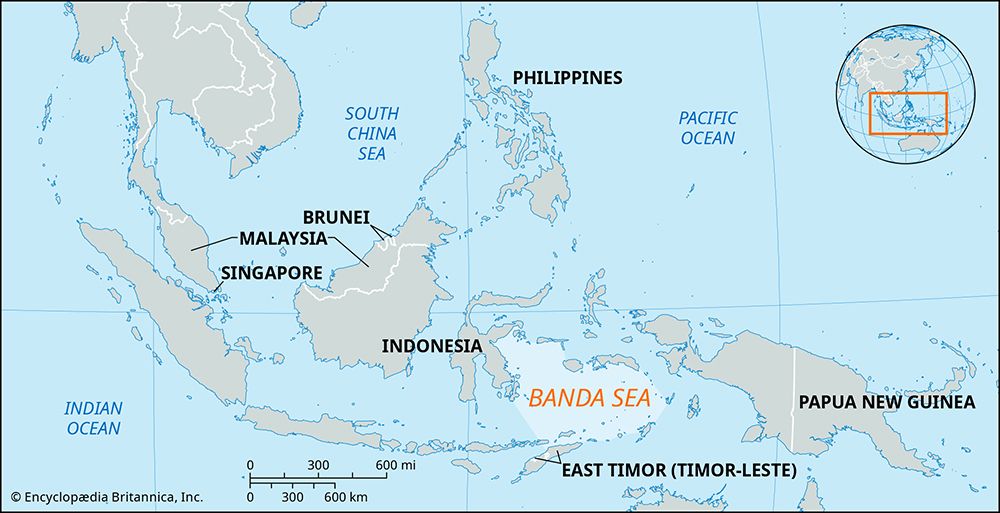
The Alor Islands are a group of two major islands and several smaller islets located in the East Nusa Tenggara province of Indonesia. Part of the Lesser Sunda Islands, they are situated between the Flores and Savu seas.1
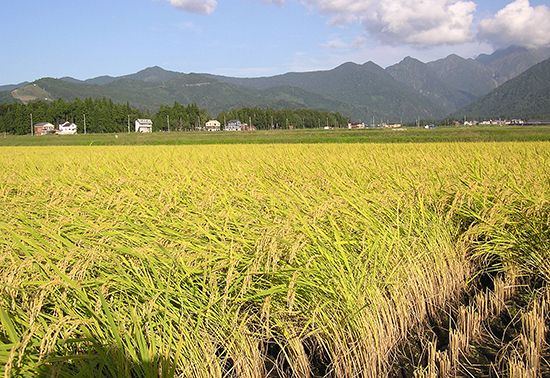
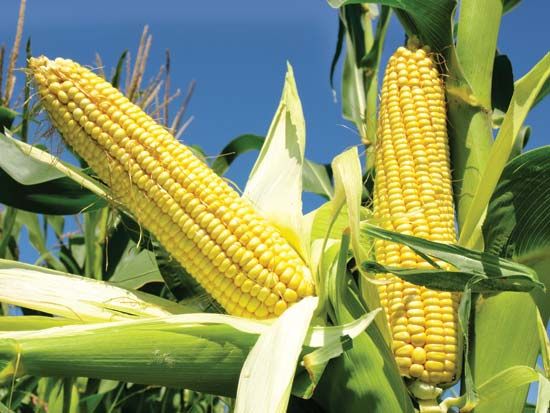
The largest island, Alor, is characterized by rugged terrain, steep ravines, and two major volcanic mountains, Kolana and Muna. The second major island, Pantar Island, is known for its agriculture, including the production of rice, corn, and cotton.12
The local population speaks languages from the Austronesian and Alor-Pantar families. While many inhabitants practice traditional religions, there are also Christian and Muslim communities throughout the islands. Culturally, the region is noted for festive exchanges involving pigs, gongs, and mokos—cast-bronze kettle drums of mysterious origin.12
What are mokos and why are they significant in Alor culture?
Mokos are cast-bronze kettle drums of mysterious origin that hold significant cultural value in the Alor Islands.
Their significance in Alor culture is primarily tied to their role in social and ceremonial exchanges. These drums are frequently utilized during festive occasions as a form of currency or high-value gift, often alongside pigs and gongs.5
The drums are historically linked to the broader tradition of ceremonial bronzes found throughout Indonesia, which share stylistic similarities with the Dong Son culture of mainland Southeast Asia. Like other ceremonial drums in the region, mokos are believed to have ancient roots, potentially serving as ritual objects or symbols of status that have been passed down through generations. In many Indonesian island cultures, similar small drums have historically functioned as bride prices, underscoring their importance as essential assets in social contracts and community life.1
How do volcanic landscapes shape life on the Alor Islands?
The volcanic nature of the Alor Islands significantly shapes the physical environment and, consequently, the lives of its inhabitants. The largest island, Alor, is defined by its rugged topography, featuring steep ravines and two prominent old volcanoes, Kolana and Muna, which limit the availability of flat land to a single plateau and small coastal plains. Similarly, Pantar Island is characterized by high elevations and a rugged coastline.1
While volcanic activity can pose risks such as destruction to infrastructure and fields, it also plays a vital role in soil development across the Indonesian archipelago. Volcanic ash and debris often enrich the soil, providing essential nutrients that support agricultural productivity. In many parts of Indonesia, this enrichment is a primary factor in determining population density and the success of rural settlements, as fertile volcanic soils are highly conducive to farming.67
On the Alor Islands, the challenging, mountainous terrain necessitates a specific way of life, with communities often adapting their agricultural and settlement patterns to the constraints and opportunities presented by this volcanic landscape.17
What are the Lesser Sunda Islands?
The Lesser Sunda Islands are a group of islands in Indonesia that extend eastward from Java toward the Moluccas and New Guinea. This chain includes major islands such as Bali, Lombok, Sumbawa, Sumba, Flores, Timor, and Alor, along with various smaller adjacent islands.910
Geographically, the islands are part of a volcanically active zone of island arcs and submarine ridges situated between Asia and Australia. The chain is often described as a spine of volcanic islands that loops northeast toward the Banda Islands, though it also includes an outer, nonvolcanic southern fringe consisting of islands like Sumba and Timor.910
Compared to Java, the Lesser Sunda Islands are generally smaller, less developed, and less densely populated. Their climate is notably influenced by their proximity to Australia; unlike other parts of Indonesia, they experience a well-developed dry season from June to October, which becomes increasingly pronounced the closer an island is to the Australian continent.1011
Sources
- Alor Islands — Encyclopædia Britannica
- Pantar Island — Encyclopædia Britannica
- Alor — Merriam-Webster
- Alorese — Merriam-Webster
- Southeast Asian arts - Indonesia — Encyclopædia Britannica
- Indonesia - Volcanoes — Encyclopædia Britannica
- Indonesia - Rural settlement — Encyclopædia Britannica
- Indonesia - Soils of Indonesia — Encyclopædia Britannica
- Sunda Islands — Encyclopædia Britannica
- Indonesia - Islands of the Sunda Shelf — Encyclopædia Britannica
- Indonesia - Climate — Encyclopædia Britannica
- Sumbawa — Encyclopædia Britannica
Published on · 3 min read