Rice
Rice is primarily categorized by its botanical classification and the degree of processing it undergoes.
What are the main types of rice and how do they differ?
Rice is primarily categorized by its botanical classification and the degree of processing it undergoes.
Botanical Distinctions
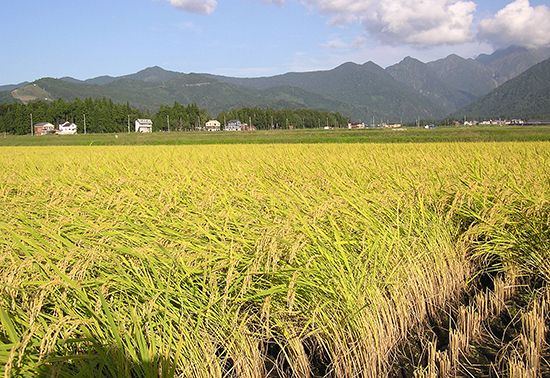
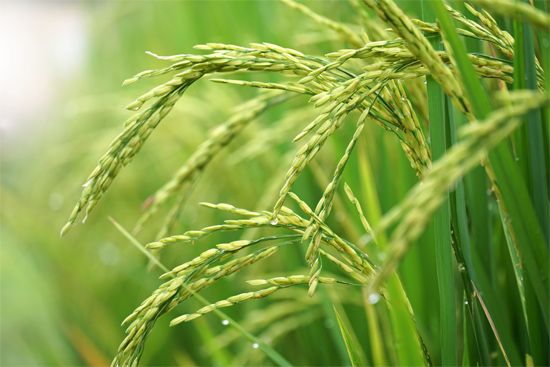
- True Rice (Oryza sativa): This is the economically significant cereal grain that serves as a staple for roughly half the world’s population. It is an annual grass typically grown in submerged fields called paddies.1
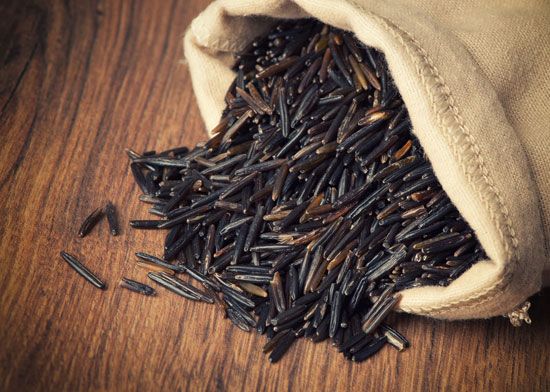
- Wild Rice (Genus Zizania): Despite the name, these four species of grasses are not related to true rice. They grow naturally in shallow freshwater marshes and along shorelines. While some varieties are cultivated, others, like the Texas wild rice, are endangered.2
Processing Differences
True rice is further distinguished by how it is milled after harvest:
- Brown Rice: This is processed to remove only the outer hull, leaving the bran layer intact. It is more nutritious, containing protein, fats, and essential vitamins like thiamine and niacin.1
- White Rice: This is milled further to remove both the hull and the bran. While this creates a specific texture, it significantly reduces the grain’s nutrient content.1
- Parboiled Rice: This is specially processed by steaming the paddy before milling, which helps transfer nutrients from the outer layers into the grain, resulting in higher vitamin content than standard white rice.13
How is rice cultivated and what are the ideal growing conditions?
Rice cultivation is primarily centered in tropical, semitropical, and temperate regions, with over 90 percent of the world’s crop grown in Asia. The process depends heavily on specific environmental conditions and water management.45
Ideal Growing Conditions
Successful rice production requires:
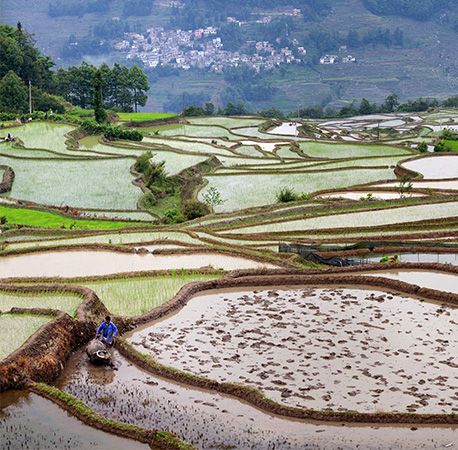
- Water Management: Most rice is grown as “lowland” or “paddy” rice, which requires fields to be submerged under 5 to 10 cm (2 to 4 inches) of water for the majority of the growing season. This is achieved through irrigation or natural flooding from rainfall and rivers.51
- Sunshine: Long periods of sunshine are essential for healthy plant development and optimal yields.45
- Soil Quality: Rice thrives in specific soil types, including silts, soft clays, and certain peats or “mucks,” provided they have an impermeable subsoil to help retain water.415
Cultivation Methods
- Transplanting: Seeds are typically sown in prepared beds. Once seedlings reach 25 to 50 days of age, they are transplanted into flooded paddies enclosed by levees. In hilly regions, farmers use terracing to maintain these flooded conditions at different elevations.5
- Upland Rice: Unlike the more common lowland method, upland rice (or dry rice) is grown in high-rainfall areas without the need for irrigation.56
- Harvesting: Before harvest, fields must be drained and dried. The crop is then harvested, often by hand with a sickle, and the grain must be dried to approximately 14 percent moisture to prevent deterioration during storage.45
What is the nutritional value of rice and how does it compare to other grains?
Rice is a carbohydrate-rich cereal that serves as a primary energy source for much of the world. Like other grains, its nutritional profile is heavily influenced by processing, as the bran and germ contain the majority of its vitamins and minerals.91011
Nutritional Profile
- Protein: Rice contains approximately 6–16% protein, though like other cereals, it has a low lysine content, making it an incomplete protein source compared to animal products.910
- Vitamins and Minerals: Brown rice retains the bran and germ, providing thiamine, niacin, riboflavin, iron, and calcium. Highly milled white rice loses these nutrients, which can lead to deficiencies like beriberi if it is the sole dietary staple.91011
- Enrichment: To combat nutrient loss, many countries mandate the enrichment of white rice with synthetic vitamins and iron.911
Comparison to Other Grains
- Similarities: All major cereals are starch-based and share similar protein limitations regarding amino acid profiles.10
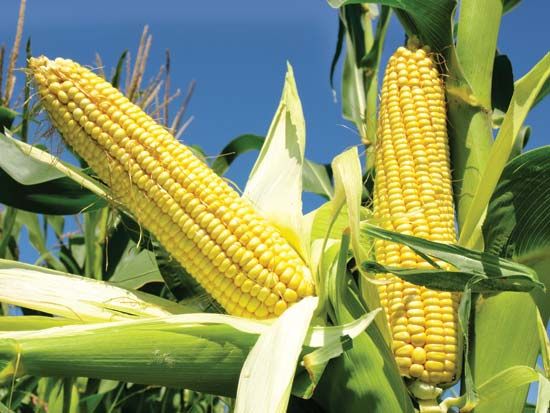
- Distinctions: Oats are unique for their higher fat content (about 9%). Corn is distinct for containing carotenoids with vitamin A activity, a trait also engineered into golden rice.10
What is the history of rice domestication and how long has it been cultivated?
The history of rice domestication is deeply rooted in the river basins and marshy lowlands of central and eastern China, where the plant was exploited long before it was formally domesticated.1314
Early Evidence and Timeline
Archaeological evidence indicates that humans were utilizing wild rice in the Yangtze basin well before 10,000 years ago, as evidenced by rice phytoliths found in rock shelters like Diaotonghuan. By approximately 8500 years ago (roughly 6500 BCE), clear evidence of domesticated rice appears at sites such as Bashidang and Pengtoushan. While some claims suggest even earlier dates, the most reliable archaeological consensus places the domestication process in China between 7000 and 5000 BCE.1314
Development of Cultivation
Early agricultural communities, such as the Hemudu culture (6500–5500 bp), developed sophisticated methods to manage the plant’s need for water. Because rice thrives in seasonally inundated habitats, these early farmers utilized the natural floodplains of the Yangtze basin. Over time, this evolved into the construction of paddy fields, which allowed for controlled irrigation and expanded the regions where rice could be successfully grown.1314
Sources
- Rice — Encyclopædia Britannica
- wild rice — Encyclopædia Britannica
- Cereal processing - Milling — Encyclopædia Britannica
- Cereal processing - Cultivation — Encyclopædia Britannica
- Paddy — Encyclopædia Britannica
- Mekong River - Irrigation and flood control — Encyclopædia Britannica
- lowland rice — Merriam-Webster
- upland rice — Merriam-Webster
- Cereal processing - Nutritive value — Encyclopædia Britannica
- human nutrition - Cereals — Encyclopædia Britannica
- Rice: Top Questions — Encyclopædia Britannica
- whole grain — Merriam-Webster
- Origins of agriculture - Early history — Encyclopædia Britannica
- List of English Words from India - Rice — Encyclopædia Britannica
Published on · 4 min read