Altiplano
The Altiplano, a high-altitude plateau spanning parts of Peru and Bolivia, is rich in significant mineral and biological resources.
What are some of the most important natural resources found in the Altiplano?
The Altiplano, a high-altitude plateau spanning parts of Peru and Bolivia, is rich in significant mineral and biological resources.
Mineral Resources
The southern, more arid portion of the Altiplano is particularly noted for its mineral wealth, which has historically driven the regional economy. Key resources include:1
- Lithium: The region, specifically beneath the Uyuni Salt Flat, contains some of the world’s largest untapped reserves of lithium, a critical component for modern battery technology.234
- Metals: The plateau and its surrounding mountain ranges are sources of copper, silver, tin, and tungsten, which have been extracted through various mining operations for centuries.21
Biological and Agricultural Resources
The Altiplano supports unique livestock and crops adapted to its high-altitude environment:
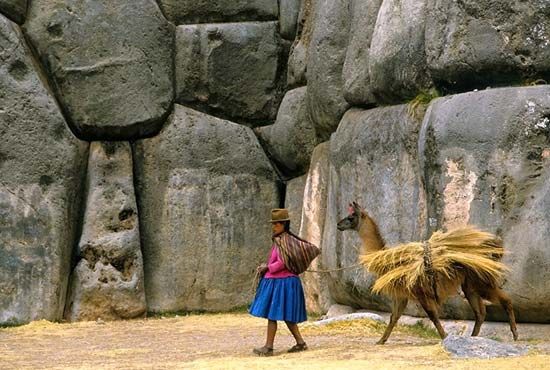
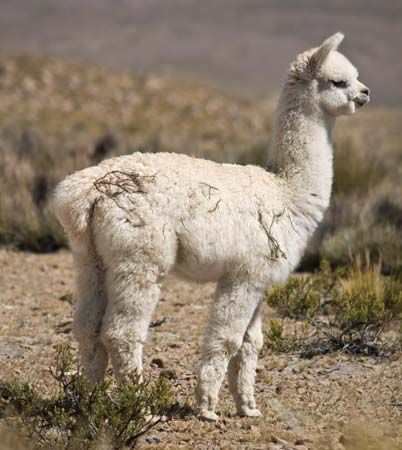
- Livestock: The llama and alpaca are native to the region and are vital for the production of wool.15
- Crops: The northern Altiplano is suitable for cultivating indigenous tubers like potatoes and oca, as well as nutritious grains such as quinoa and cañahua.6
How was the Altiplano formed geologically?
The Altiplano was formed primarily through the process of crustal shortening, a tectonic mechanism that thickens the Earth’s crust and creates high mountain ranges along the margins of a plateau.9
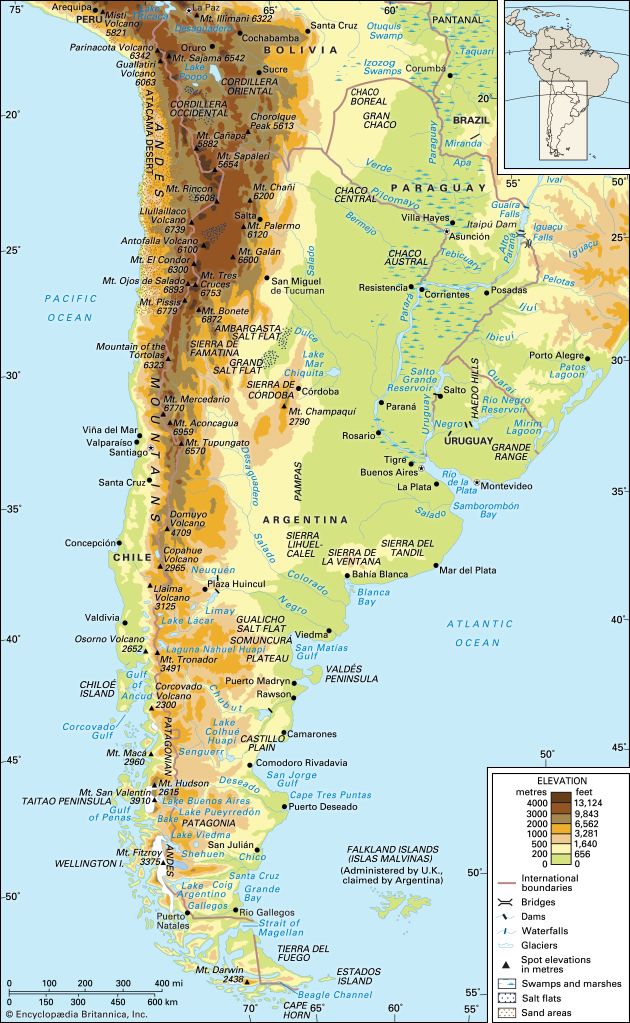
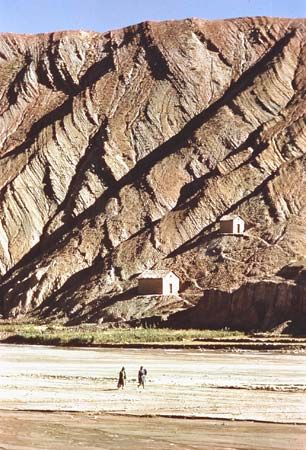
Geologically, the Altiplano is a series of intermontane basins situated between the Cordillera Occidental and the Cordillera Oriental of the Andes Mountains. Its formation is part of the broader Andean orogeny, a significant mountain-building event driven by the subduction of oceanic crust beneath the South American continent.1011
As the surrounding mountains rose due to this crustal compression, internal drainage patterns developed. Streams and rivers transported eroded material from the mountains into the valleys between them. Over time, these basins became filled with debris, effectively creating a plateau that functions as a “mountain range buried in its own debris”. In the arid southern portions of the Altiplano, this process resulted in the formation of flat, broad basins, often occupied by playas or salt flats.910
What are the unique geographical features of the Altiplano region?
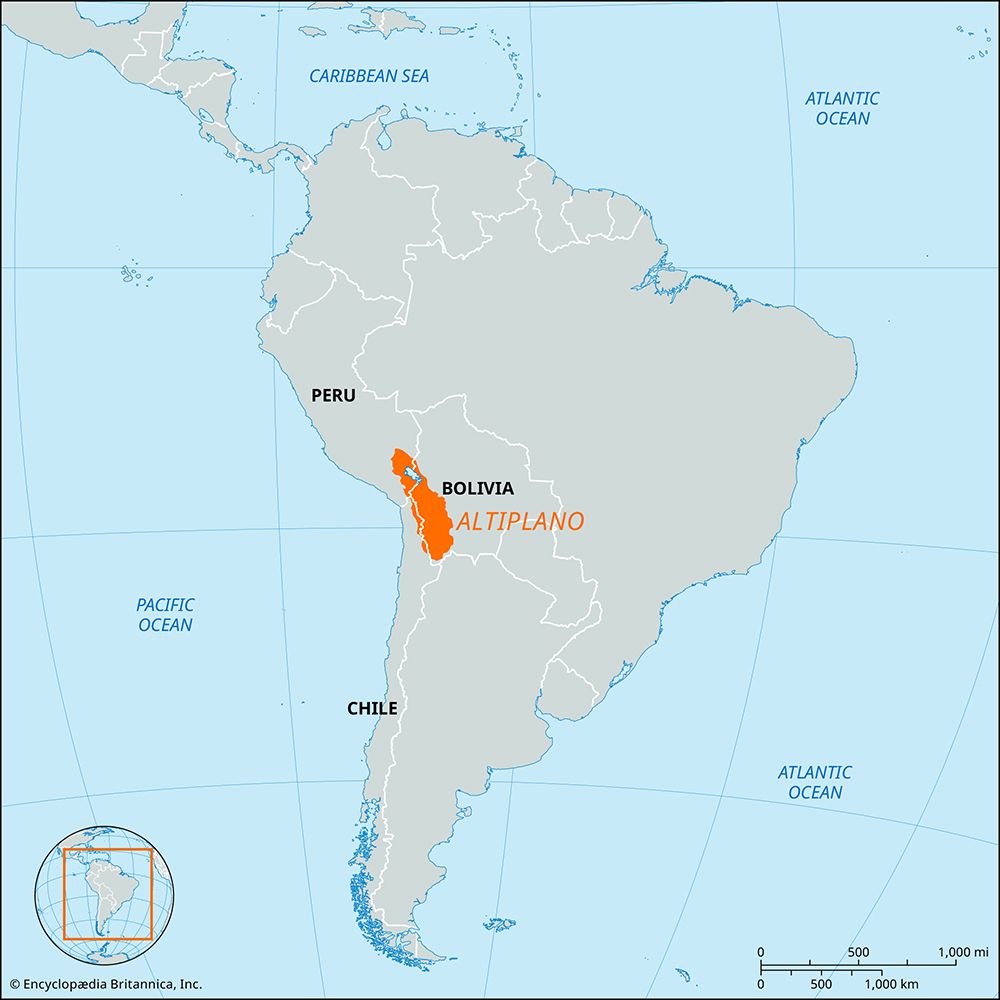
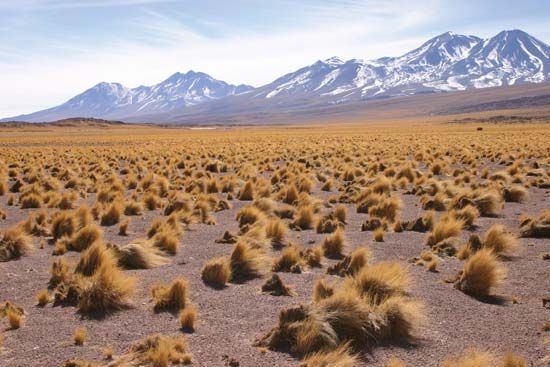
The Altiplano is a unique high-altitude region in southeastern Peru and western Bolivia, characterized by several distinct geographical features:
- High-Altitude Basins: The region consists of a series of intermontane basins situated at an average elevation of approximately 12,000 feet (3,650 metres) above sea level. It is one of the largest interior basins in the world, stretching about 500 to 600 miles in length.214
- Mountain Boundaries: The plateau is enclosed by two major ranges of the Andes Mountains: the Cordillera Occidental to the west and the Cordillera Oriental to the east.214
- Endorheic Drainage: The Altiplano has no outlet to the ocean. Its internal drainage system includes Lake Titicaca in the north—the world’s highest navigable lake—which drains southward via the Desaguadero River into the smaller Lake Poopó and various salt flats, such as the Uyuni and Coipasa salars.214
- Climatic Variation: The region experiences a sharp north-south divide; the north receives adequate rainfall for agriculture, while the south is arid and desert-like.215
How has modern development and tourism affected the Altiplano region?
Modern development and tourism have significantly transformed the Altiplano region, reshaping its urban centers, economy, and social landscape.
Urban Growth and Modernization
The region has experienced rapid urbanization, particularly in cities like La Paz and El Alto. In the late 20th century, La Paz saw the construction of skyscrapers and the development of neighborhoods featuring modern amenities such as supermarkets and nightclubs. Simultaneously, El Alto emerged as one of the fastest-growing cities in the Western Hemisphere, driven by migration from rural areas. These urban centers now serve as hubs where Andean and Western cultural traditions blend.2
The Impact of Tourism
Tourism has become a vital economic driver as the region is increasingly integrated into international travel circuits. Key developments include:
- Infrastructure: The opening and refurbishment of hotels in major cities and around Lake Titicaca have improved accessibility for visitors.16
- Cultural Heritage: Sites such as the pre-Inca ruins at Tiwanaku and the historic centers of Potosí have gained UNESCO World Heritage status, drawing global interest to the region’s history.16
- Economic Diversification: Beyond traditional mining and subsistence farming, tourism now highlights unique cultural experiences, such as observing Indigenous villages and traditional reed-boat fishing.162
While these changes have brought economic opportunities, they exist alongside traditional practices, such as the subsistence farming and market systems that have evolved since the 1953 Agrarian Reform.2
Sources
- Bolivia - Minerals — Encyclopædia Britannica
- Altiplano — Encyclopædia Britannica
- Chile - Mineral resources, noncarboniferous — Encyclopædia Britannica
- Bolivia - Soils — Encyclopædia Britannica
- Bolivia - Agriculture — Encyclopædia Britannica
- Andes Mountains - Agriculture and livestock — Encyclopædia Britannica
- Uyuni Salt Flat — Encyclopædia Britannica
- lithium - Occurrence and production — Encyclopædia Britannica
- South America - The Central Andes — Encyclopædia Britannica
- Andean Geosyncline — Encyclopædia Britannica
- plateau - Formative processes — Encyclopædia Britannica
- South America - The Andean orogeny — Encyclopædia Britannica
- Sierra Madre - Geology — Encyclopædia Britannica
- Andes Mountains - Physiography of the Central Andes — Encyclopædia Britannica
- Andes Mountains - Climate — Encyclopædia Britannica
- Bolivia - Tourism — Encyclopædia Britannica
- Bolivia - The Altiplano — Encyclopædia Britannica
- Lake Titicaca — Encyclopædia Britannica
Published on · 4 min read