Amirante Isles
The Amirante Isles (also known as the Amirante Islands) are a group of coral islands located in the western Indian Ocean. Situated approximately 200 miles…
What is Amirante Isles?
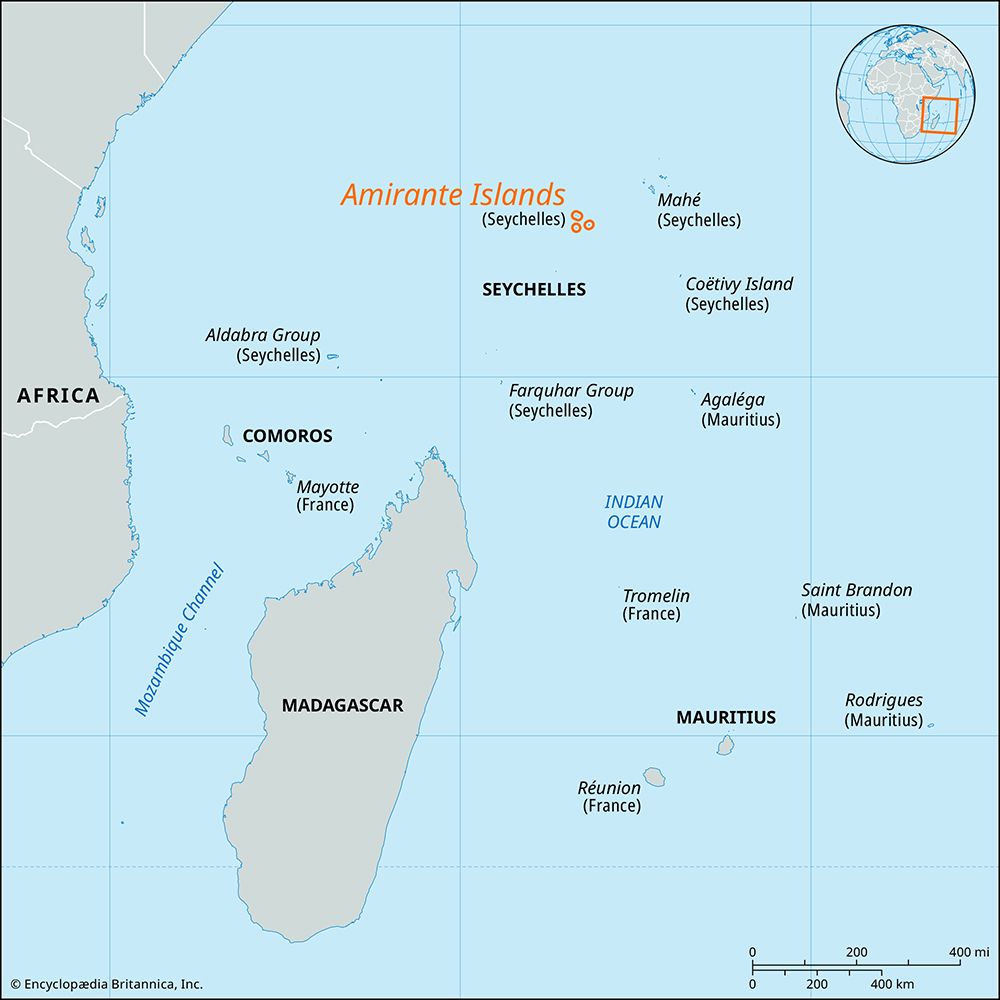
The Amirante Isles (also known as the Amirante Islands) are a group of coral islands located in the western Indian Ocean. Situated approximately 200 miles southwest of the main Seychelles group, they form part of the Republic of Seychelles.12
Historically, these islands were known to Persian Gulf traders and were sighted by the Portuguese navigator Vasco da Gama during his second voyage to India in 1502. Despite their history, the islands remain virtually uninhabited today. The government of the Seychelles occasionally leases individual islands to private companies for commercial activities, such as harvesting coconuts and collecting tern eggs. While the collection of guano-enriched topsoil was once a common practice, it is no longer a significant activity.1
Who was Vasco da Gama and why did he explore the Indian Ocean?
Vasco da Gama (c. 1460–1524) was a Portuguese navigator and explorer who achieved historical significance by opening the first direct sea route from Europe to India by sailing around the Cape of Good Hope.34
Motivations for Exploration
Da Gama’s voyages were driven by a combination of economic, political, and religious objectives that defined the Portuguese national enterprise during the Age of Discovery:5
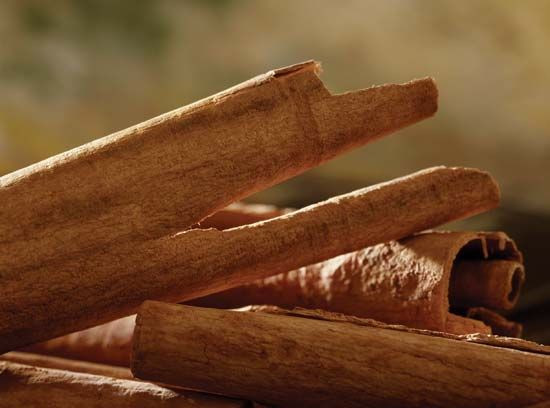
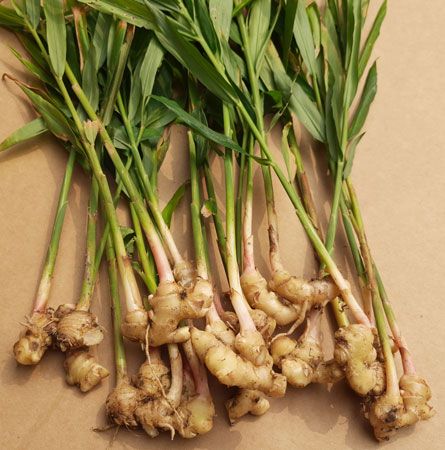
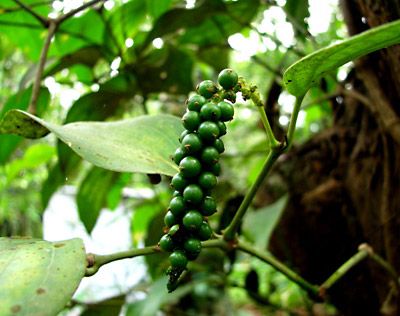
- Access to the Spice Trade: European markets were heavily dependent on spices like cinnamon, ginger, and pepper, which were controlled by Venetian and Arab intermediaries. Portugal sought to bypass these monopolies and secure direct access to the lucrative markets of the East.365
- Geopolitical Strategy: Portugal aimed to outflank Muslim powers that dominated trade routes between the East and the West.3
- Religious Mission: A core motivation was the desire to spread the Christian faith and locate the legendary Christian ruler Prester John, whom they believed resided in the interior of Africa or Asia.35
- Scientific Discovery: The voyages were part of a broader, state-sponsored effort to explore the world and expand Portuguese influence, supported by skilled geographers and navigators.5
What makes coral islands different from volcanic islands?
Coral islands and volcanic islands differ fundamentally in their geological origins, composition, and physical characteristics.
Geological Origins
- Coral Islands: These are formed through biological and physical processes associated with coral reefs. They originate either through uplift, where crustal movements raise a reef system above sea level, or through accretion, where storm waves and currents deposit reef debris and sediment onto a reef top, eventually cementing it into land.9
- Volcanic Islands: These are created by volcanism, where molten rock (magma) is discharged from the Earth’s interior. They often form at subduction zones (creating island arcs), along oceanic ridges, or over hot spots within tectonic plates.10
Composition and Environment
- Structure: Coral islands are typically low-lying, often rising only a few meters above sea level, and may feature a lagoon surrounded by a reef, as seen in atolls. In contrast, volcanic islands are often elevated, mountainous landmasses that can reach significant heights.911
- Soil and Vegetation: Volcanic islands generally possess richer soil, supporting diverse plant life and rainforests. Coral islands are composed primarily of calcium carbonate derived from coral skeletons, resulting in poorer soil that typically supports limited vegetation, such as coconut palms and pandanus trees. such as coconut palms and pandanus trees.1110
What is the Republic of Seychelles like today?
The Republic of Seychelles today is a vibrant, democratic nation in the western Indian Ocean known for its stunning natural beauty and a resilient, market-based economy.1314
Geography and Environment
The country consists of approximately 115 islands, divided into two distinct groups:
- Mahé Group: More than 40 mountainous, granitic islands featuring lush tropical vegetation, rocky hills, and silver-white beaches. The capital, Victoria, is located on Mahé, which is home to more than four-fifths of the population.1314
- Outer Islands: More than 70 flat, coralline islands that rise only a few feet above sea level. These are largely waterless and have very few permanent residents.13
Economy and Society
Seychelles maintains a mixed developing economy heavily reliant on the service sector, particularly tourism, which draws thousands of visitors annually for activities like scuba diving and sailing. The country has achieved a relatively high standard of living, with life expectancy significantly above the global average. The population is of mixed descent, and the national languages include Creole, English, and French.15161718
Politics
The political landscape has evolved significantly since the return of multiparty democracy in the 1990s. Following a period of dominance by the United Seychelles (formerly the People’s Party), recent years have seen competitive elections and peaceful transitions of power, including the 2025 presidential election of Patrick Herminie.14
Sources
- Amirante Isles — Encyclopædia Britannica
- Amirante Islands — Merriam-Webster
- Vasco da Gama — Encyclopædia Britannica
- Vasco da Gama: Top Questions — Encyclopædia Britannica
- spice trade — Encyclopædia Britannica
- Portugal - Conquest and exploration — Encyclopædia Britannica
- Western colonialism - Portugal’s seaborne empire — Encyclopædia Britannica
- India - The Dutch — Encyclopædia Britannica
- atoll — Merriam-Webster
- coral island — Encyclopædia Britannica
- volcanism — Encyclopædia Britannica
- Micronesia - Land — Encyclopædia Britannica
- Seychelles - Relief and climate — Encyclopædia Britannica
- Seychelles - Manufacturing, finance, and trade — Encyclopædia Britannica
- Seychelles - Services — Encyclopædia Britannica
- Seychelles - Settlement patterns and demographic trends — Encyclopædia Britannica
- Seychelles - Ethnic groups, languages, and religion — Encyclopædia Britannica
- Seychelles - Economy — Encyclopædia Britannica
- history of Seychelles — Encyclopædia Britannica
Published on · 3 min read