Amud
The discovery of the Amud site has been instrumental in refining our understanding of Neanderthal development and their presence in southwestern Asia.…
How has the discovery of Amud impacted our understanding of Neanderthal-modern human interactions?
The discovery of the Amud site has been instrumental in refining our understanding of Neanderthal development and their presence in southwestern Asia. Excavations at Amud Cave have provided critical evidence of Neanderthal habitation, including Mousterian toolmaking and, notably, a burial rite involving an infant skeleton (Amud 7) placed with a red deer maxilla.1
While Amud provides significant data on Neanderthal biology and behavior, it is part of a broader regional context in the Levant. This area served as a long-term zone of coexistence for both Neanderthals and early Homo sapiens, who shared the same Mousterian tool kits for tens of millennia. The fossil record in this region suggests that these two groups may have occupied the landscape through a form of “time-sharing,” potentially driven by climatic shifts that favored one group over the other.2
Ultimately, the evidence from the Levant highlights a complex history of interaction, including limited interbreeding that has left genetic traces in modern human populations.2
How does the Amud site contribute to our understanding of Neanderthal behavior and culture?
The Amud site in Israel provides significant insights into the biological and cultural development of southwestern Asian Neanderthals. Excavations have yielded skeletal remains dating from approximately 50,000 to 70,000 years ago, offering a detailed look at their physical characteristics and behavioral patterns.1
Biological and Cultural Evidence
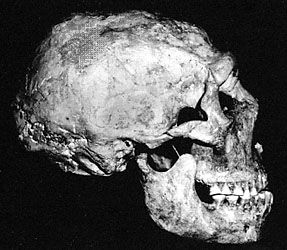
- Physical Characteristics: The discovery of the adult male skeleton, Amud 1, revealed a large cranial capacity of about 1,740 cubic cm—exceeding the average for modern humans—while maintaining distinct Neanderthal features such as prominent browridges and a receding forehead.1
- Burial Practices: A pivotal discovery in 1992 was the partial skeleton of an infant (Amud 7). The placement of a red deer maxilla on the infant’s pelvis suggests the existence of intentional burial rites, indicating complex symbolic or social behavior.1
- Technological Sophistication: The site provides evidence of Mousterian toolmaking, characterized by the production of flaked blades and points. The presence of these tools alongside remains of various animals, including deer, cattle, horse, pig, and fox, demonstrates the group’s adaptability and hunting capabilities.1
What types of tools and technology were associated with the Neanderthals at Amud?
The Neanderthals at the Amud site are primarily associated with the Mousterian industry, a sophisticated stone tool technology common to many Neanderthal sites in the region.41
Mousterian Technology at Amud
The tool kit recovered from Amud includes a variety of flaked blades and points. These implements were typically produced using the Levallois technique, which involved carefully preparing a stone core to strike off flakes of a specific shape and size. Once detached, these flakes were often refined using hammer stones to create sharp, functional edges.14
Functional Diversity
The tools found at the site reflect the diverse activities of the Neanderthals who inhabited the cave. Evidence suggests these implements were used for:
- Processing Resources: The presence of animal remains—including deer, cattle, horse, pig, and fox—indicates that these tools were essential for hunting and butchering.1
- Domestic Tasks: Neanderthals utilized specialized tools for various daily needs, such as scrapers for tanning hides, awls for working with leather, and burins for cutting or engraving wood and bone.4
The discovery of these tools alongside faunal remains provides clear evidence of the Neanderthals’ ability to adapt to their environment through the systematic manufacture and use of standardized technology.41
How does the Amud site compare to other Neanderthal sites in the Middle East?
The Amud site is a key location for understanding southwestern Asian Neanderthals, sharing several cultural and technological commonalities with other prominent sites in the Middle East, such as Shanidar in Iraq and the Mount Carmel caves in Israel.18
Comparative Insights
- Burial Practices: Like the Neanderthals at Shanidar, the inhabitants of Amud practiced intentional burial rites. The discovery of an infant skeleton (Amud 7) with a red deer maxilla placed on its pelvis provides evidence of symbolic behavior similar to the potential medicinal plant offerings found at Shanidar.14
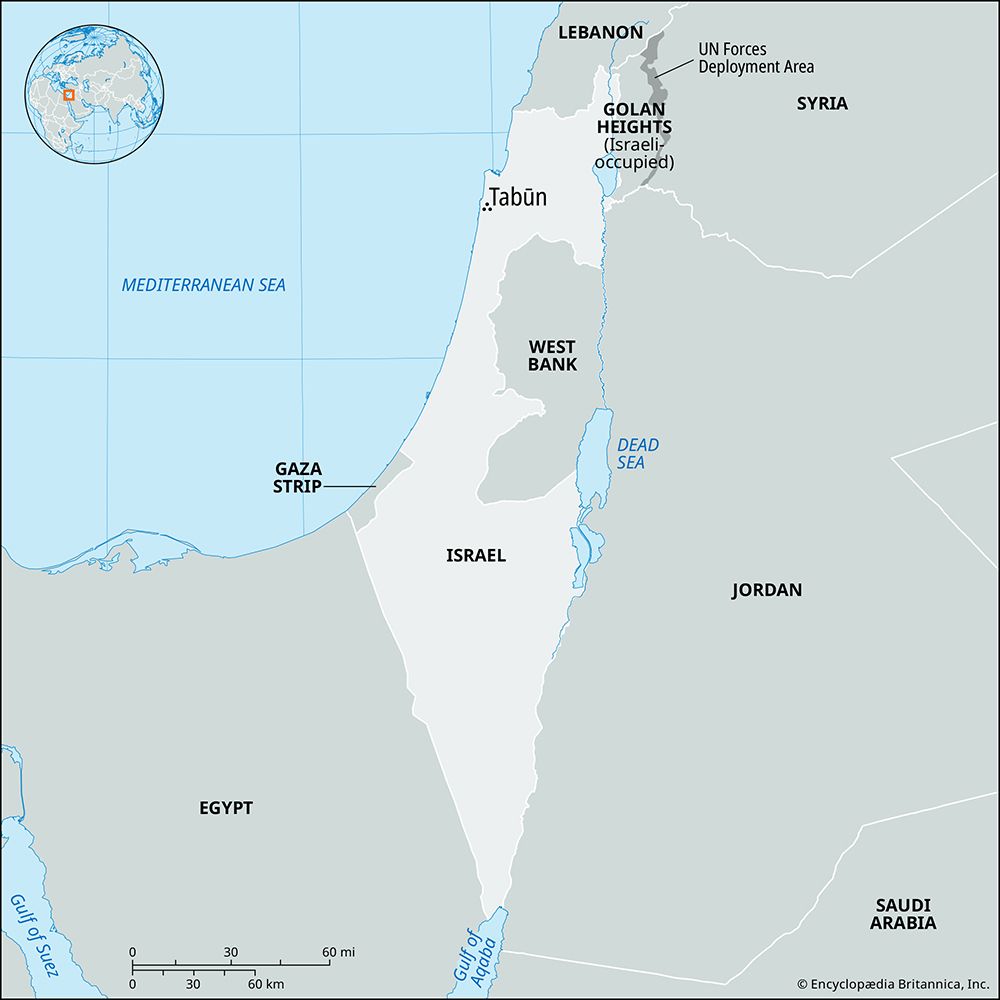
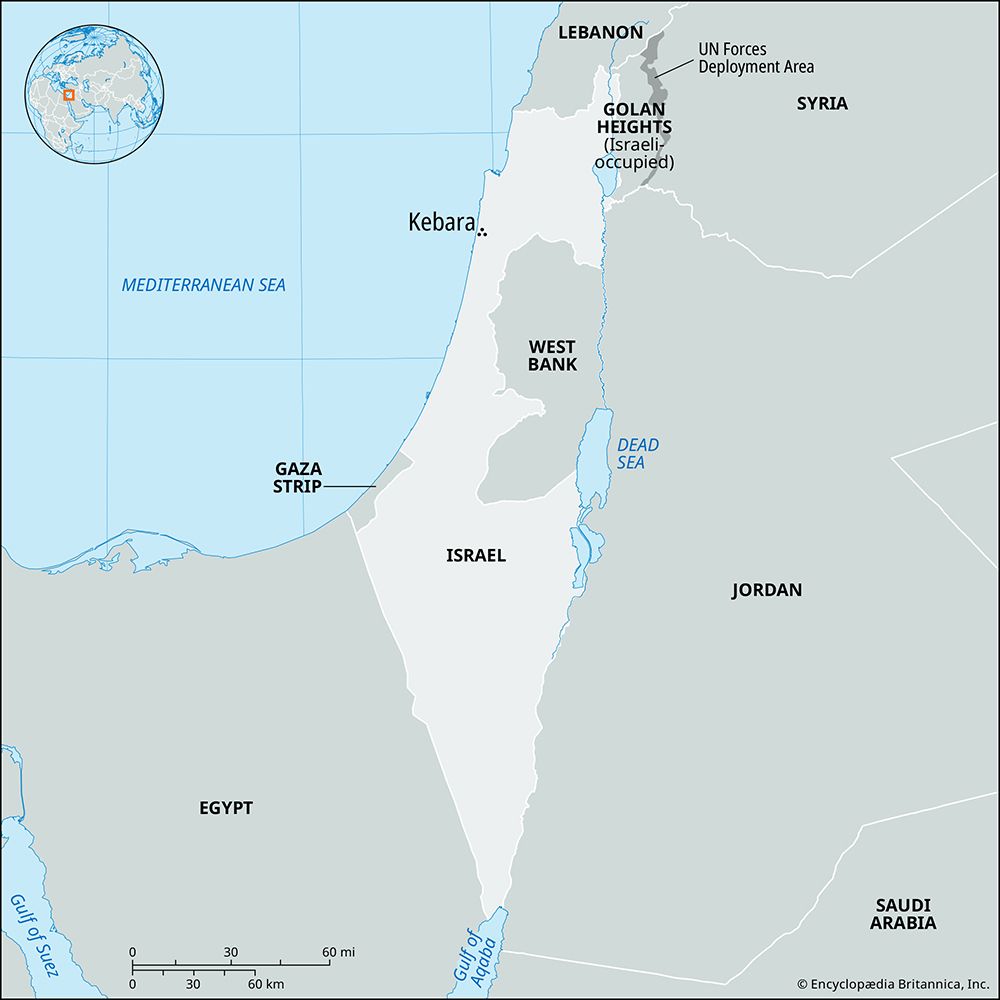
- Technological Industry: Amud is characterized by the Mousterian industry, a widespread technology also found at other regional sites like Tabūn and Kebara. This industry, utilizing the Levallois technique, reflects a shared adaptive strategy across Middle Eastern Neanderthal populations.183
- Biological Diversity: While Amud 1 exhibits a notably large cranial capacity, it retains the classic Neanderthal morphology—such as prominent browridges—consistent with other Neanderthal remains discovered across Eurasia, from Krapina in Croatia to Teshik-Tash in Uzbekistan.13
Sources
- Amud — Encyclopædia Britannica
- Homo sapiens - Bodily structure — Encyclopædia Britannica
- Neanderthal - First discoveries — Encyclopædia Britannica
- Neanderthal - Neanderthal culture — Encyclopædia Britannica
- hand tool - The Acheulean industry — Encyclopædia Britannica
- hand tool - Stone as a material — Encyclopædia Britannica
- Homo — Encyclopædia Britannica
- Stone Age - Middle East — Encyclopædia Britannica
Published on · 3 min read