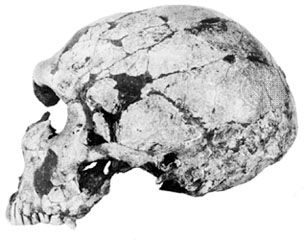
Shanidar
The study of Shanidar Cave has significantly reshaped our understanding of Neanderthal social behavior, moving away from the image of a purely brutal…
How has the study of Shanidar Cave contributed to our understanding of Neanderthal social behavior?
The study of Shanidar Cave has significantly reshaped our understanding of Neanderthal social behavior, moving away from the image of a purely brutal existence toward one defined by complex social networks and symbolic thought.
Key insights include:
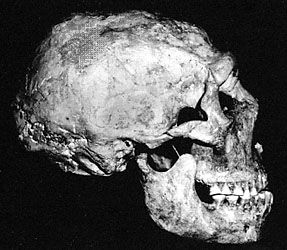
- Social Support and Care: The discovery of older individuals with severe, healed traumatic injuries—such as Shanidar 1, who survived for years despite being blind in one eye and losing the use of an arm—indicates that Neanderthals maintained social networks capable of ensuring the survival of the injured and infirm.1
- Ritual and Symbolic Behavior: The intentional burial of individuals, including groups found together, points to symbolic and ritualistic cultural practices. Evidence suggesting that flowers with medicinal qualities may have been placed on graves further hints at the existence of traditional medicine and complex care for the deceased.12
- Community Structure: The presence of family groups and infants alongside adults supports the view that Neanderthals lived in social units that valued and protected their members.12
How do the Neanderthal remains found at Shanidar compare to those found at other sites around the world?
The Neanderthal remains discovered at Shanidar Cave share significant biological and cultural traits with specimens found across Europe and western Asia, while also providing unique evidence of human evolution.
Biological Comparisons
The Shanidar fossils exhibit the classic, robust morphology characteristic of Neanderthals globally, including stocky bodies and projecting midfaces. Like many European specimens, the older Shanidar individuals show extreme dental wear, where the crowns of the front teeth were worn down to the roots, suggesting they used their teeth as a “third hand” for processing materials. Furthermore, analysis of dental striations at Shanidar and other sites indicates that Neanderthals were predominantly right-handed, a trait that developed early in life.13
Evolutionary and Cultural Context
- Evolutionary Transition: While some Shanidar remains resemble later European Neanderthals, others exhibit more archaic, strongly built facial features, documenting the emergence of Neanderthals from earlier human forms in the Middle East.1
- Social Behavior: Similar to sites like La Chapelle-aux-Saints and La Ferrassie in France, Shanidar provides clear evidence of intentional burial practices. The presence of family groups and infants at these locations reflects a shared social structure across the Neanderthal range.31
- Survival and Care: The healed traumatic injuries observed on Shanidar individuals are consistent with the difficult, high-stress lives led by Neanderthals elsewhere, reinforcing the understanding that these groups maintained social networks to support the injured and infirm.1
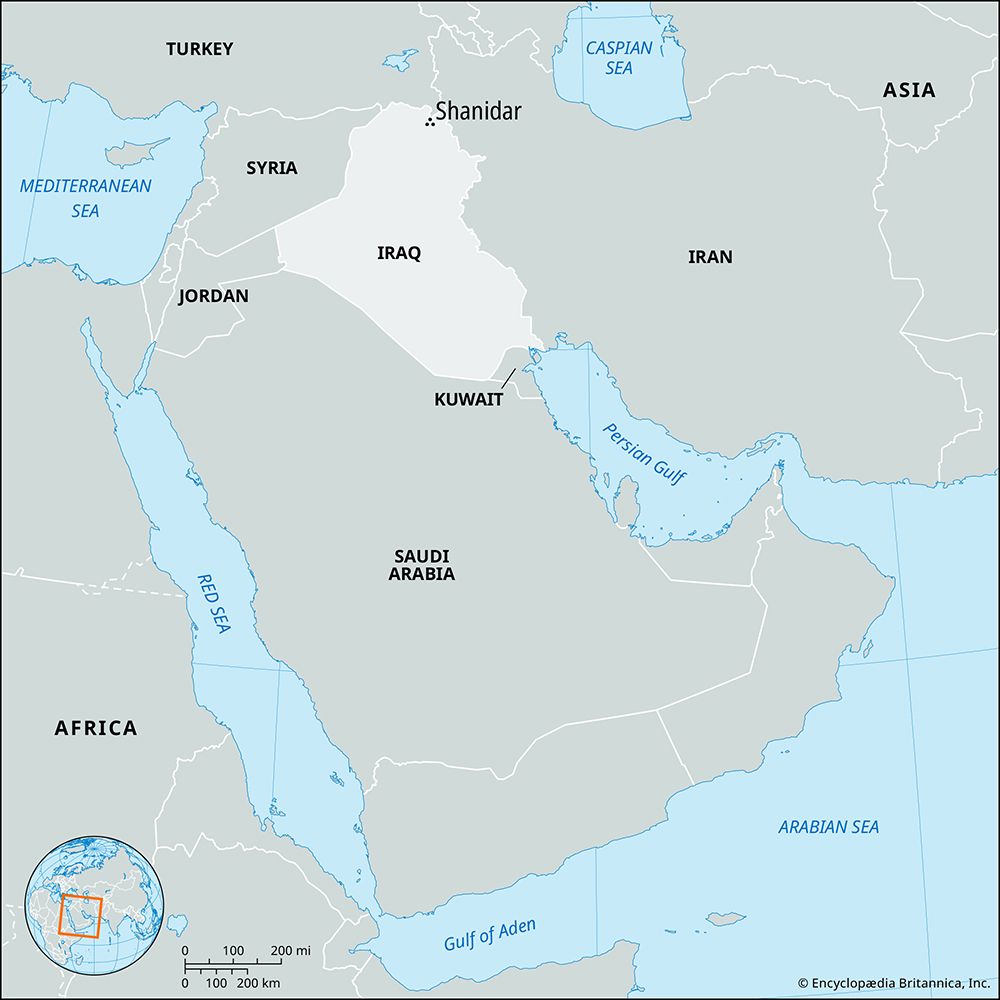
What is the Shanidar Cave and where is it located in Iraq?
Shanidar is a significant site for paleoanthropological excavations located in the Zagros Mountains of Iraqi Kurdistan.
Between 1953 and 1960, researchers discovered two clusters of human fossils within the cave. These remains have been instrumental in expanding our understanding of the geographic range of Neanderthals, showing that they inhabited regions extending from Europe into southwestern Asia. The findings also provide critical evidence regarding the evolution of Neanderthals from earlier archaic human forms, as well as insights into their social structures and the challenges of their daily lives.1
What significant Neanderthal remains have been discovered at the Shanidar site?
Excavations at Shanidar Cave between 1953 and 1960 yielded significant human fossils that expanded our understanding of Neanderthal geography and evolution.1
Notable Discoveries
The remains include nine individuals categorized into two groups:
- Older Adults (Shanidar 1, 3, and 5): These males exhibit classic Neanderthal traits, such as stocky bodies and projecting midfaces, closely resembling European specimens.1
- Earlier Remains (Shanidar 2, 4, 6, 7, 8, and 9): This group includes males, females, and infants. Shanidar 2 and 4 are particularly significant for their more archaic, strongly built facial features, which document the emergence of Neanderthals from earlier human forms in the Middle East.1
Key Observations
- Intentional Burial: Most individuals were intentionally buried. Notably, Shanidar 4, 6, 8, and 9 were found stacked in the same location, and there is evidence suggesting that flowers with medicinal qualities may have been placed on graves.12
- Physical Stress and Care: The skeletons show extreme dental wear, with front teeth used as tools. Older individuals exhibit healed traumatic injuries—such as those on Shanidar 1—providing evidence that Neanderthals maintained social networks to support the injured and infirm.1
Sources
- Shanidar — Encyclopædia Britannica
- Neanderthal - Neanderthal culture — Encyclopædia Britannica
- Neanderthal - First discoveries — Encyclopædia Britannica
Published on · 3 min read