Ándros
The premise that Ándros holds a specific significance in Greek mythology is not supported by the provided records. While Ándros is a prominent island in the…
What is the significance of Ándros in Greek mythology?
The premise that Ándros holds a specific significance in Greek mythology is not supported by the provided records. While Ándros is a prominent island in the Cyclades group of Aegean Islands, its historical record is defined by its political and colonial activities rather than mythological narratives.1
Historically, the island was settled by an Ionian population and became a significant maritime power, establishing colonies in Chalcidice during the 7th century BCE. Throughout antiquity, it was involved in major geopolitical conflicts, including the Persian Wars, where it was pressured by Xerxes I, and later became a focal point for Athenian influence under Pericles and the Delian League. The island’s ancient capital, Palaeopolis, remains a site of archaeological interest, but it is not characterized by a role in the traditional Greek mythological canon.1
How does Ándros fit into the broader context of the Cyclades island group?
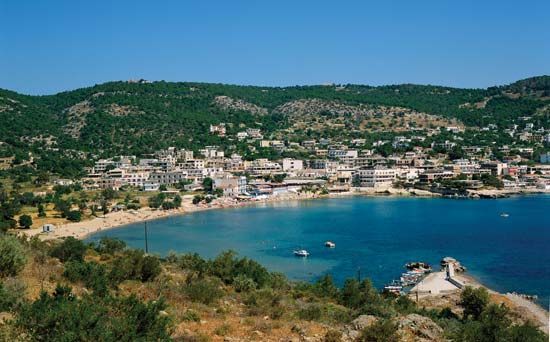
Ándros holds a distinct position within the Cyclades island group as its most northerly and second-largest member. Geographically, the Cyclades are the exposed peaks of submerged mountain ranges that form a rough circle around the sacred island of Delos. While many of the southern islands in this group are characterized by rocky, barren landscapes, Ándros is notable for being relatively wooded and well-watered, supporting the cultivation of figs, citrus fruits, wine grapes, and olives.234
Historically, Ándros fits into the broader context of the Cyclades through its shared Ionian heritage and its involvement in the region’s complex political evolution. Like other islands in the group, it was a site of significant Bronze Age activity and later became a focal point for maritime powers, including the Delian League and the Venetian maritime empire. Its strategic location and resources made it a participant in the same geopolitical shifts that shaped the entire Aegean, from the Persian Wars to the eventual integration into the modern Greek state.234
How has Ándros been portrayed in literature, art, or popular culture?
The available records do not contain information regarding specific portrayals of Ándros in literature, art, or popular culture. While the island is a significant geographical and historical entity within the Cyclades, its presence in the cultural record is primarily documented through its archaeological sites, such as the ancient capital of Palaeopolis and the medieval ruins of the Venetian castle at Palaiókastron, rather than through specific artistic or literary depictions.2
Broadly, the cultural milieu of Greece has been shaped by its ancient heritage, the influence of the Byzantine Empire, and the 19th-century efforts to forge a national identity through literature and traditional lore. However, these broader cultural trends do not specifically highlight Ándros as a central subject in these creative fields.7
What is the geographical location and size of Ándros island in Greece?
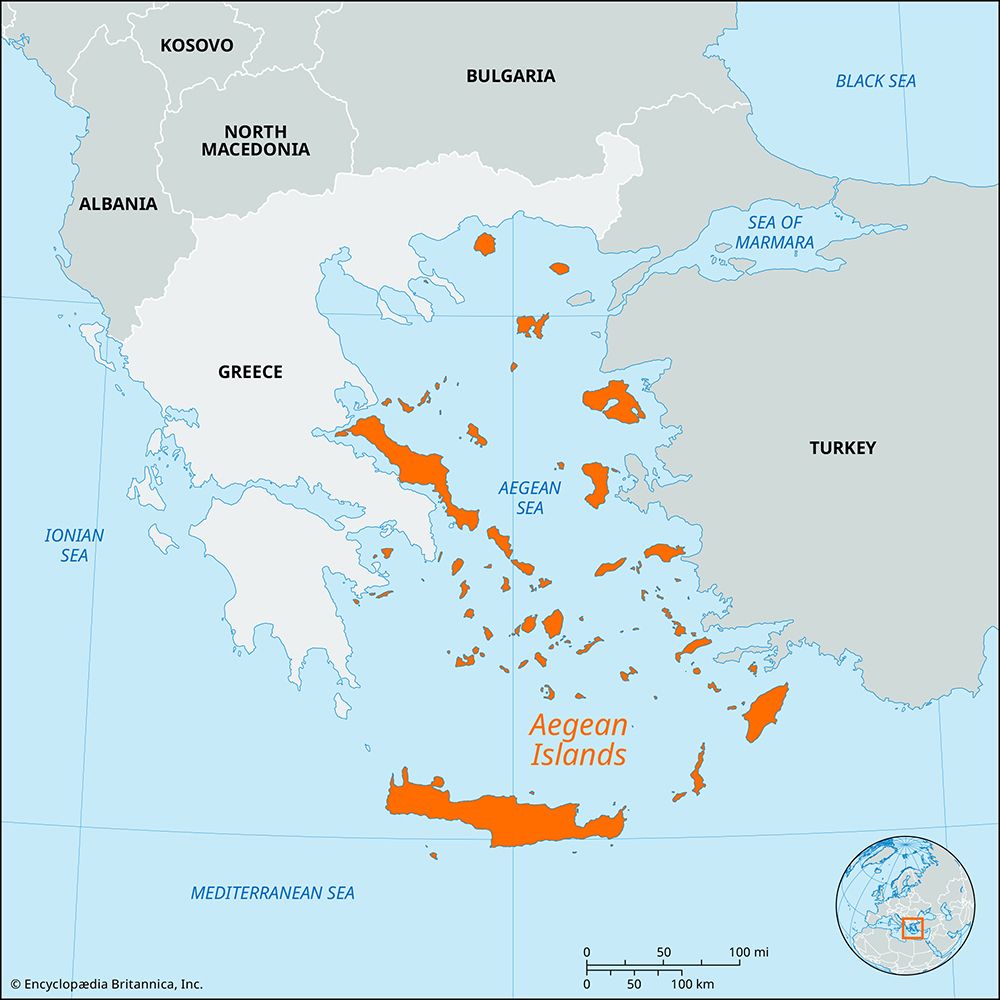
Ándros is the most northerly and second-largest island of the Cyclades group in the Aegean Islands, Greece. It is a mountainous, well-watered, and wooded island that covers an area of 145 square miles (380 square km).2
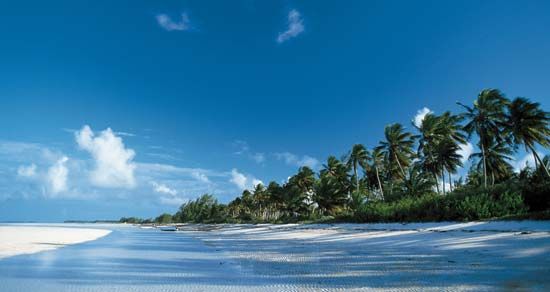
It is important to note that while there is an island named Andros in The Bahamas, it is a distinct location from the Greek island of Ándros and is significantly larger, covering approximately 2,300 square miles.8
Sources
- Andros — Merriam-Webster
- Ándros — Encyclopædia Britannica
- Cyclades — Encyclopædia Britannica
- Greece - History — Encyclopædia Britannica
- Aegean civilizations - The Cyclades — Encyclopædia Britannica
- Aegean Sea — Encyclopædia Britannica
- Greece - Cultural milieu — Encyclopædia Britannica
- Andros Island — Encyclopædia Britannica
Published on · 2 min read