Animal Rights
The modern animal rights movement is unique as a social reform effort largely initiated and shaped by philosophers. Two primary, distinct philosophical…

Which philosophical theories or thinkers have influenced the animal rights movement?
The modern animal rights movement is unique as a social reform effort largely initiated and shaped by philosophers. Two primary, distinct philosophical currents have driven this movement:12
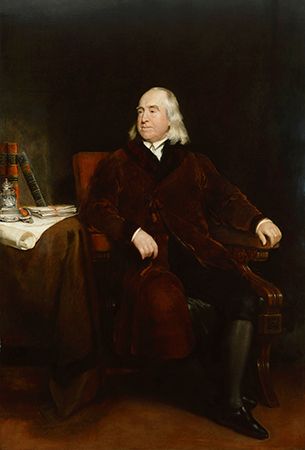
- Utilitarianism: Rooted in the work of Jeremy Bentham, who famously argued that the moral question regarding animals is not whether they can reason or talk, but whether they can suffer. This tradition was significantly advanced by Peter Singer, whose foundational book Animal Liberation (1975) argues that because animals are sentient, their interests in avoiding pain must be given equal consideration to those of humans. Singer critiques “speciesism”—the prejudice of favoring one’s own species—as morally indefensible.23
- Rights-Based Theory: Represented by philosophers like Tom Regan, this approach argues that some animals possess inherent value and basic moral rights because they are “the subject of a life,” possessing advanced cognitive abilities similar to those that justify human rights.2
While these thinkers provided the movement’s intellectual foundation, other philosophers, such as Peter Carruthers and Roger Scruton, have offered counterarguments, often defending human-centric social contracts or limited animal welfare over full rights.14
What are some major organizations that advocate for animal rights?
Several major organizations advocate for animal rights and welfare, working through strategies such as public awareness campaigns, legislative lobbying, and legal action. Two of the most prominent groups include:
- Humane Society of the United States (HSUS): Founded in 1954, the HSUS is one of the world’s most influential animal-welfare organizations. It operates on a national and international level, focusing on issues such as factory farming, animal cruelty, and the use of animals in research. The society is known for its legislative advocacy, having helped secure federal laws like the Humane Slaughter Act and the Pets Evacuation and Transportation Standards (PETS) Act. It also conducts undercover investigations and provides disaster relief for animals.78
- People for the Ethical Treatment of Animals (PETA): Established in 1980, PETA is a nongovernmental organization dedicated to ending the abusive treatment of animals in industries such as fashion, entertainment, and scientific research. PETA is well-known for its creative, often provocative advertising campaigns designed to shift public attitudes toward “speciesism” and promote the idea that animals have interests that deserve protection.48
Additionally, organizations like the Nonhuman Rights Project (NhRP) focus specifically on legal strategies, such as filing petitions for habeas corpus to seek the recognition of legal personhood for animals like chimpanzees and elephants.8
How has the concept of animal rights evolved throughout history?
The concept of animal rights has evolved from ancient philosophical debates into a modern movement rooted in applied ethics.
Ancient and Medieval Foundations
Early Western thought was dominated by the Great Chain of Being, a hierarchical view where animals existed solely for human use. While Pythagoreans and Neoplatonists advocated for animal respect due to beliefs in the transmigration of souls, Aristotle’s view that animals were made for humans became the prevailing influence. These ideas were later reinforced by Stoic philosophy and Christian theology, which relegated animals to a status beneath moral consideration in both common law and social practice.1
19th and 20th Century Developments
Public concern began to shift in the 19th century, particularly regarding animal testing, leading to the first anti-vivisection movements and the Cruelty to Animals Act of 187611. By the mid-20th century, the “Three Rs” (Replacement, Reduction, Refinement) established a framework for humane experimentation.2
The Modern Movement
In the 1970s, philosophers transformed the field by challenging the assumption that human moral status is superior to that of animals. Works like Animal Liberation established a philosophical basis for the movement, arguing that sentience—not rationality—should be the criterion for moral consideration. This era saw the rise of major advocacy groups like PETA and a broader societal shift toward vegetarianism and animal welfare legislation.9101112
What are some key arguments used by animal rights advocates?
Animal rights advocates employ a variety of philosophical, ethical, and legal arguments to challenge the traditional view that animals are merely property for human use. Key arguments include:
The Principle of Equal Consideration
A central pillar of the movement, popularized by philosopher Peter Singer, is the Principle of Equal Consideration of Interests (PEC). This argument posits that one should give equal weight to the like interests of all beings affected by an action. Because both humans and animals are capable of feeling pain and experiencing pleasure, they share a fundamental interest in avoiding suffering. Advocates argue that species membership is a morally irrelevant characteristic—much like race or sex—and that favoring human interests over animal interests simply because of species is a form of irrational discrimination known as speciesism.113
Inherent Value and Rights
In contrast to utilitarian approaches, some advocates, such as philosopher Tom Regan, argue that certain animals possess inherent value because they are “the subject of a life.” This perspective maintains that animals with advanced cognitive abilities deserve basic moral rights, regardless of their utility to humans. This view rejects the idea that animals are merely instruments and asserts that they have a right to bodily liberty and protection from harm.13
Scientific and Ethical Evidence
Advocates frequently cite scientific research in fields like neuroscience, ethology, and psychology to demonstrate that animals share complex emotional, social, and cognitive capacities with humans. This evidence is used to challenge the justification for practices such as factory farming and animal testing, where animals are often subjected to extreme confinement, pain, and stress.1314
Legal Personhood
Increasingly, the movement seeks to move beyond welfare reforms toward the recognition of legal personhood. By filing lawsuits and utilizing habeas corpus petitions, organizations like the Nonhuman Rights Project argue that animals should be recognized as legal persons with fundamental rights, rather than remaining invisible to civil law.13
Sources
- Applied ethics - Animals — Encyclopædia Britannica
- Ethics - Animals — Encyclopædia Britannica
- Peter Singer — Encyclopædia Britannica
- Animal rights - The modern animal rights movement — Encyclopædia Britannica
- Jeremy Bentham: Top Questions — Encyclopædia Britannica
- History of ethics - Bentham — Encyclopædia Britannica
- Humane Society of the United States — Encyclopædia Britannica
- People for the Ethical Treatment of Animals — Encyclopædia Britannica
- Vegetarianism - American vegetarianism — Encyclopædia Britannica
- History of ethics - Animals — Encyclopædia Britannica
- Animal testing - Animal Testing in the 1800s through mid-1900s — Encyclopædia Britannica
- Animal rights - Philosophical background — Encyclopædia Britannica
- Speciesism — Encyclopædia Britannica
- Animal testing - The modern anti-testing movement — Encyclopædia Britannica
- Intensive animal farming - Animal welfare — Encyclopædia Britannica
- Intensive animal farming - Impacts and concerns — Encyclopædia Britannica
Published on · 4 min read