Civet
Civets are omnivorous viverrids that feed on a variety of food sources, including small animals—such as rodents, birds and their eggs, reptiles, amphibians…
What is the diet of civets, and how does it vary among different species?
Civets are omnivorous viverrids that feed on a variety of food sources, including small animals—such as rodents, birds and their eggs, reptiles, amphibians, and insects—as well as vegetable matter like fruits, nuts, and nectar.123
Dietary habits can vary significantly among species based on their specific adaptations and ecological niches:
- Generalist Omnivores: Most civets consume a mix of animal and plant matter to meet their energy requirements.3
- Frugivorous Species: Certain groups, particularly palm civets, have a diet consisting primarily of fruit. This preference is reflected in their physical anatomy, as these species possess molars that are larger and flatter than those found in more carnivorous viverrids.2
- Specialized Feeders: Some species exhibit unique dietary behaviors, such as the palm civet Paradoxurus, which is known for its fondness for palm juice, or “toddy”. Additionally, some civets are known to consume coffee beans, which are fermented during digestion and later excreted, a process utilized in the production of kopi luwak.13
As important predators and seed dispersers, these animals play a vital role in the ecosystems they inhabit.3
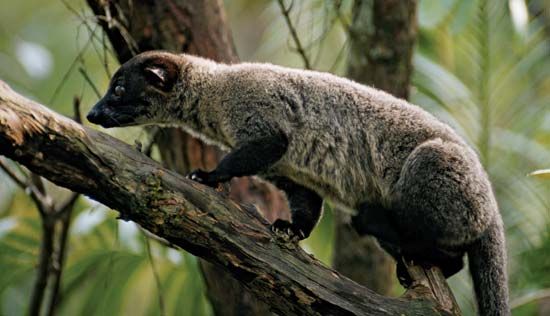
What are the physical characteristics of civets, and how do they differ from other mammals?
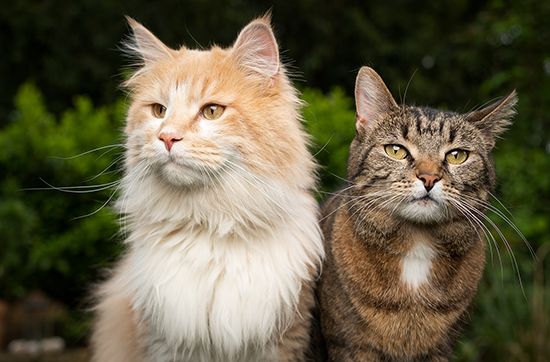
Civets are members of the family Viverridae, characterized by their long, slender bodies, short legs, and pointed snouts. While they are often referred to as “civet cats,” this is a misnomer; they are not true cats, though they share the same suborder, Feliformia.123
Physical Characteristics
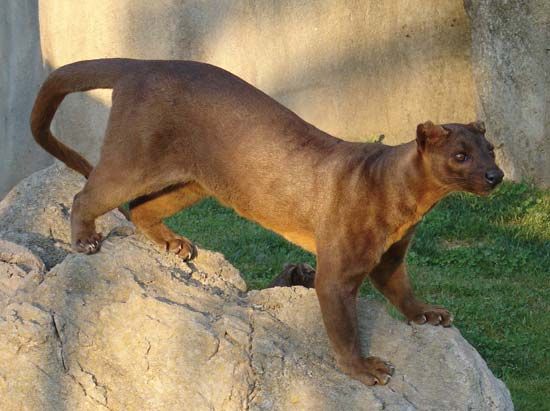
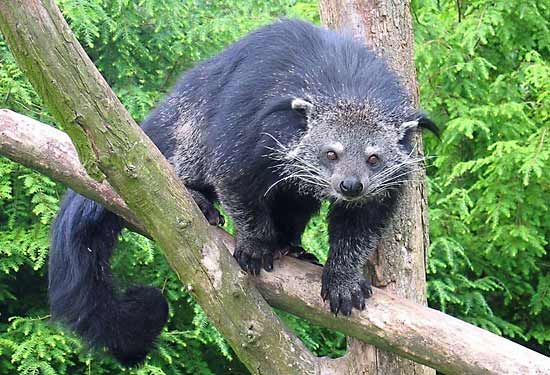
- Size and Build: Civets are generally larger and stockier than other viverrids like genets. They range from 40 to 85 cm in length, with tails adding another 13 to 66 cm, and weigh between 1.5 and 11 kg.31
- Appearance: They typically have small ears and thick, coarse fur that is often buff or grayish, featuring patterns of black spots or stripes. A common feature is a thick black stripe running along the spine.13
- Specialized Glands: A defining trait is the presence of anal glands that open into a pouch under the tail, producing a musky secretion known as civet, which the animals use for scent marking.12
Differences from Other Mammals
Compared to true cats, civets possess longer snouts, shorter legs, and a different number of toes on their hind feet—typically five, whereas cats have four. Unlike many other carnivores, civets are omnivorous, often incorporating fruits and nectar into their diets. They also exhibit diverse locomotive adaptations, with some species being terrestrial, others arboreal, and a few being semiaquatic.31
Where are civets typically found in the wild, and what types of habitats do they prefer?
Civets are found across the Old World, specifically in Africa, Asia, and southern Europe. As small, secretive viverrids, they are typically inhabitants of forests and areas with dense vegetation forests and areas with dense vegetation.132
Their habitat preferences vary by species and locomotive adaptation:
- Terrestrial: Most civets are primarily ground-dwelling, often making their homes in tree hollows, among rocks, or in similar sheltered locations.1
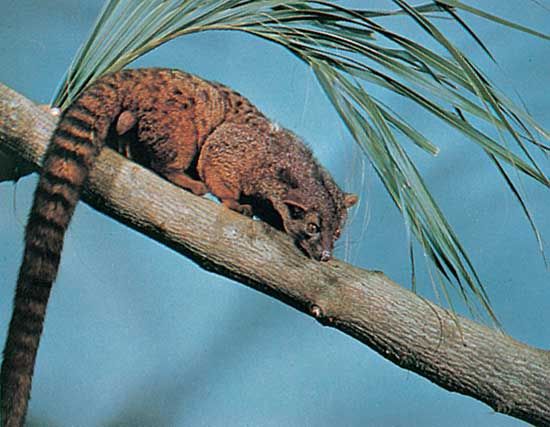
- Arboreal: Palm civets, such as Paradoxurus and Nandinia, are specialized for life in the trees.1
- Semiaquatic: Some species, such as the Sunda otter civet and the rare Congo water civet, are adapted to semiaquatic environments.1
- Specialized Environments: Certain species are found in specific ecological niches, such as lowland forests, swamps, and riparian zones, or even human-altered landscapes like plantations.2
Because many civets are elusive and live in isolated areas or on islands, they are often poorly known to science, and several species face significant threats from habitat loss.42
How do civets contribute to the production of kopi luwak coffee, and what ethical concerns surround this practice?
Kopi luwak is a specialty coffee produced from beans that have been ingested, fermented within, and excreted by the Asian palm civet. During this process, the animal’s gastric juices and enzymes interact with the beans, which proponents believe increases citric acid levels and imparts a unique, delicate aroma and tanginess.5
Ethical Concerns
The production of this luxury coffee raises significant animal-rights concerns. While the coffee was historically collected from the droppings of wild civets, the high market demand has led to the widespread trapping and confinement of these animals.5
It is a fundamental ethical principle that animals should not be subjected to inhumane treatment or captivity for the sake of luxury goods. The intensive farming of civets for coffee production often involves poor living conditions and has raised alarms regarding the impact of this trade on global civet populations. Furthermore, the industry is plagued by fraud, as counterfeiters frequently sell inferior beans as authentic kopi luwak to capitalize on its reputation as the world’s most expensive coffee.5
Sources
- civet — Encyclopædia Britannica
- viverrid — Encyclopædia Britannica
- Are civet cats and genet cats the same animals? — Encyclopædia Britannica
- 10 Critically Endangered Animals of India - Malabar civet ( Viverra civettina ) — Encyclopædia Britannica
- kopi luwak — Encyclopædia Britannica
Published on · 4 min read