Aouelloul Crater
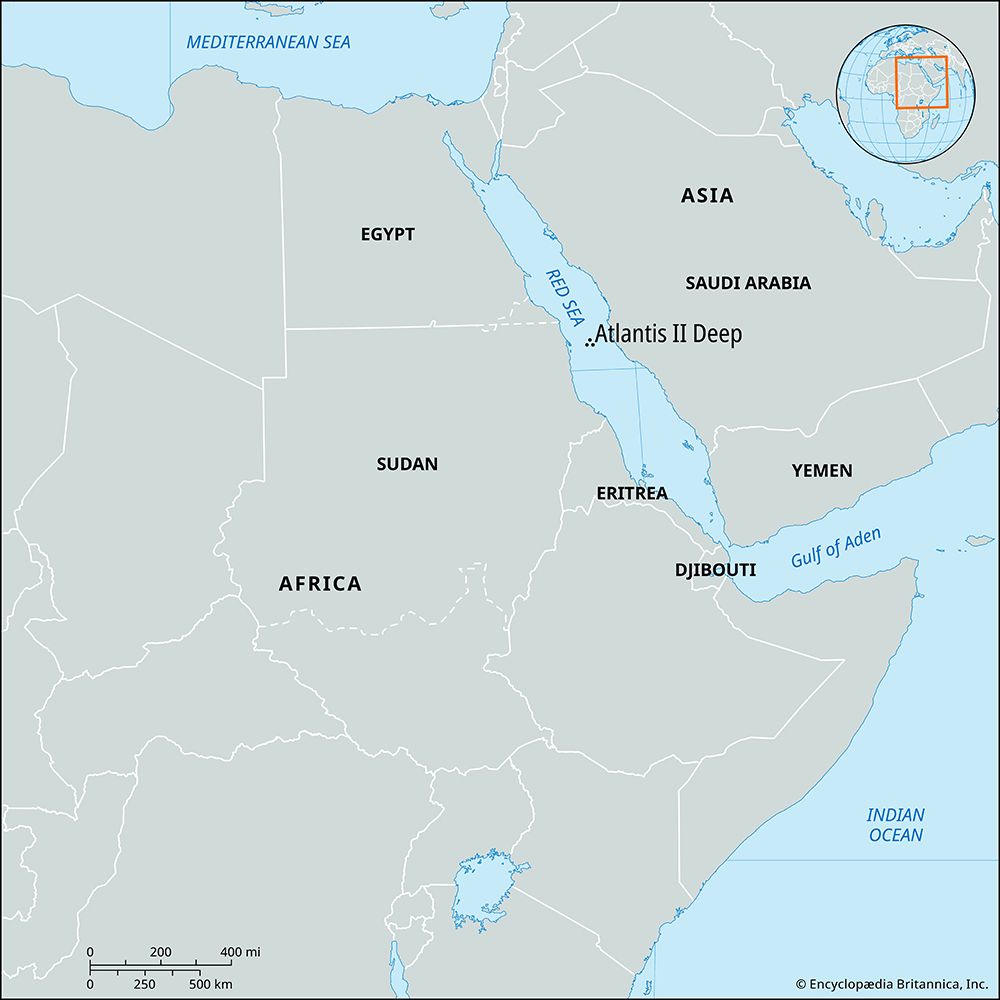
The Aouelloul Crater is a meteorite crater situated in Mauritania, approximately 28 miles (45 km) southwest of Chinguetti.
What is Aouelloul Crater?
The Aouelloul Crater is a meteorite crater situated in Mauritania, approximately 28 miles (45 km) southwest of Chinguetti.1
First discovered by air in 1951, the crater measures 833 feet (250 meters) in diameter and reaches a depth of 33 feet. It is believed to have been formed by a significant impact event. While researchers have recovered a substantial quantity of fused silica glass from the surrounding area, only a single small meteorite fragment has been found within the crater itself.1
How do scientists identify impact craters?
Identifying ancient impact structures on Earth is challenging because surface features like crater walls, ejecta blankets, and meteorite fragments are often degraded or destroyed over time by erosion, volcanism, and plate tectonics.23
Because of this, scientists primarily rely on the presence of subsurface shock structures known as shatter cones to confirm an impact origin. These are distinct, conically shaped structures that form in the bedrock directly beneath the point of impact. They radiate in a specific pattern that cannot be produced by other natural geological processes, making them a reliable diagnostic tool even when found in drill core samples.2
In addition to shatter cones, researchers analyze:
- Shock metamorphism: The presence of minerals or rocks that have been vaporized, melted, or crushed by the intense pressure and heat of a hypervelocity impact.24
- Geological modeling: Comparing observed landforms to computer models and laboratory simulations of impact cratering, which help identify features like central peaks or ring structures characteristic of complex craters.4
What is fused silica glass and how does it form?
Fused silica glass, also known as vitreous silica or lechatelierite, is a pure form of silica (silicon dioxide, SiO2\text{SiO}_2) that exists as a supercooled liquid rather than a crystalline solid. Because it lacks a crystalline structure, it possesses unique properties, including high chemical inertness, excellent thermal shock resistance, and high transparency to ultraviolet light.78910
Formation Processes
Fused silica glass forms through two primary methods:
- Natural Formation: In nature, this glass is produced by extreme, rapid heating events. It can form when lightning strikes sand, creating structures known as fulgurites. Additionally, it is created during high-energy meteorite impacts, where the intense heat and pressure of the collision fuse terrestrial silica into glass. Such natural impact-derived glass is often found in or near impact craters.78
- Industrial Production: Because the melting point of crystalline silica (quartz) exceeds 1,700 °C (3,092 °F), industrial production is energy-intensive and costly. Manufacturers often use rock crystal as a raw material for high-quality optical glass. Another common industrial technique involves chemical vapour deposition, where silicon-based vapours are reacted at high temperatures to deposit a silica “soot” that is subsequently sintered into dense, pure glass.911
What are some other famous meteorite craters on Earth?
Beyond the well-known Meteor Crater in Arizona, Earth features several other significant impact structures that have been identified by scientists through geological evidence, such as the presence of shatter cones:
- Vredefort Dome: Located in South Africa, this is the largest known impact crater on Earth. Formed approximately two billion years ago by an asteroid at least 10 km (6 miles) wide, the original crater was estimated to be 180–300 km (110–190 miles) wide, though erosion has significantly altered its appearance over time.1216
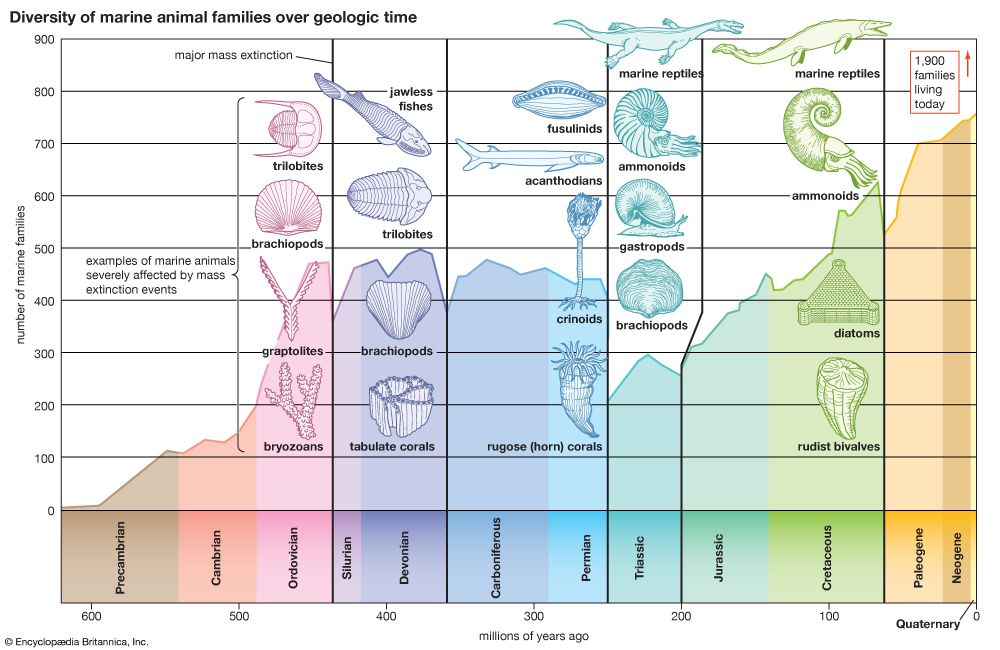
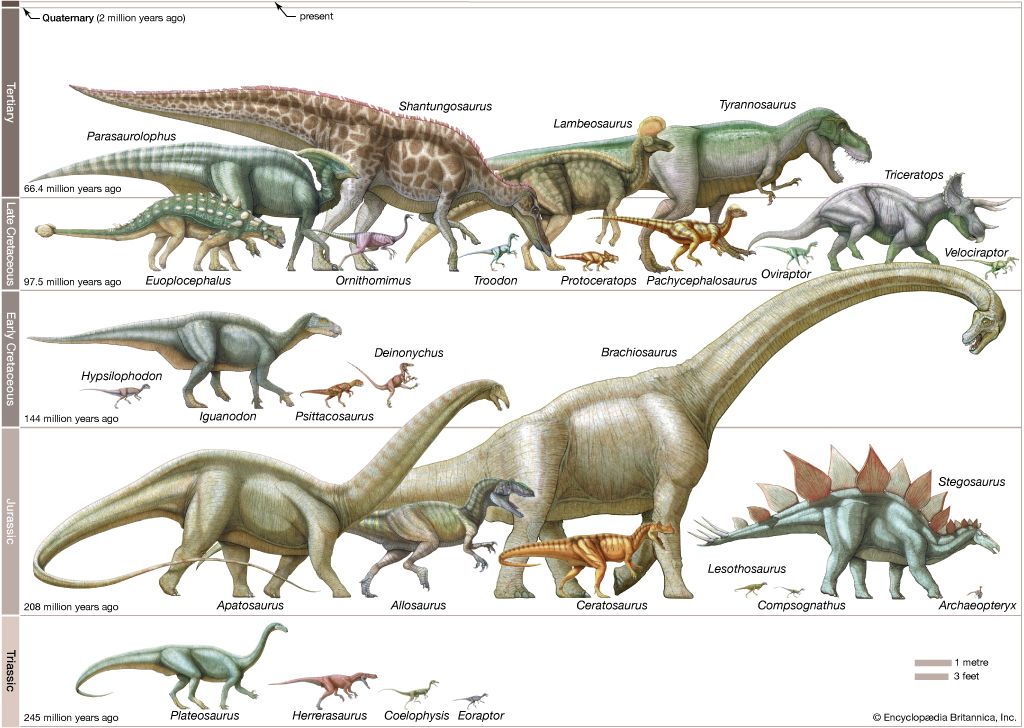
- Chicxulub crater: Buried beneath the Yucatán Peninsula in Mexico, this 180-km-wide crater was formed about 66 million years ago. It is widely associated with the mass extinction event that led to the demise of the dinosaurs. to the demise of the dinosaurs.1612
- Lake Bosumtwi: Situated in Ghana, this site has been confirmed as an impact structure based on the discovery of subsurface shock features.16
While many other craters have been degraded by erosion, volcanism, and plate tectonics, these sites remain vital for understanding the history of impact events on our planet.172
Sources
- Aouelloul Crater — Encyclopædia Britannica
- impact structure — Encyclopædia Britannica
- Meteorite crater — Encyclopædia Britannica
- Meteorite crater - Meteorite craters as measures of geologic activity — Encyclopædia Britannica
- Meteorite crater - The impact-cratering process — Encyclopædia Britannica
- Crater — Encyclopædia Britannica
- tektite - The problem of tektite origin — Encyclopædia Britannica
- glass - Commercial glass composition — Encyclopædia Britannica
- lechatelierite — Encyclopædia Britannica
- silica mineral - Vitreous silica — Encyclopædia Britannica
- impactite — Merriam-Webster
- Meteor and meteoroid - Meteorites —meteoroids that survive atmospheric entry — Encyclopædia Britannica
- industrial glass - From the gaseous state — Encyclopædia Britannica
- industrial glass - Silica-based — Encyclopædia Britannica
- silica mineral - Solubility of silica minerals — Encyclopædia Britannica
- Chicxulub crater — Encyclopædia Britannica
- Impact event — Encyclopædia Britannica
Published on · 3 min read