Dinosaur
The extinction of the dinosaurs occurred approximately 66 million years ago at the Cretaceous–Paleogene (K–Pg) boundary, marking one of the most significant…
What theories explain the extinction of dinosaurs?
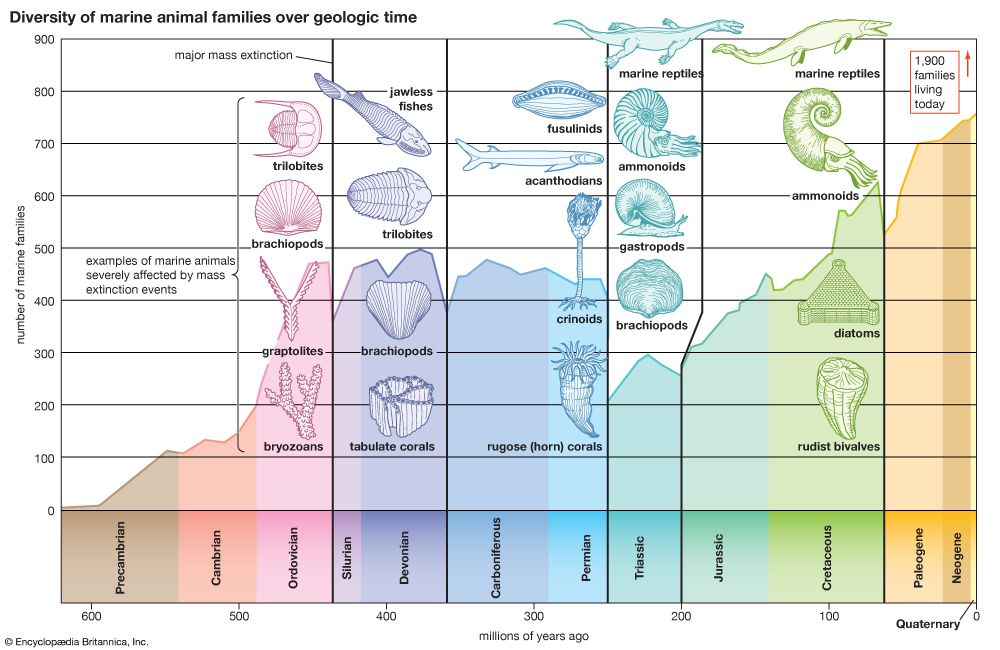
The extinction of the dinosaurs occurred approximately 66 million years ago at the Cretaceous–Paleogene (K–Pg) boundary, marking one of the most significant mass extinction events in Earth’s history. While various hypotheses have been proposed over the last two centuries, the scientific community primarily focuses on the following theories:12
The Asteroid Theory
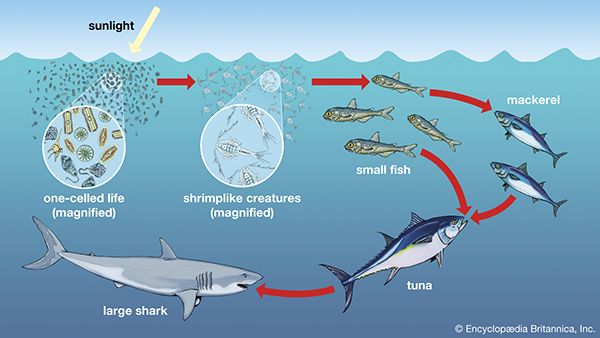
Since the early 1980s, the Alvarez theory has gained significant prominence. It posits that a massive asteroid impact triggered the extinction by ejecting vast quantities of debris into the atmosphere. This global dust cloud would have blocked sunlight for months, halting photosynthesis and collapsing the food chain. Evidence supporting this includes:12
- The discovery of the Chicxulub crater in Mexico.12
- Global deposits of iridium, an element rare on Earth’s surface but common in extraterrestrial objects.12
- The presence of tektites and evidence of massive tsunamis and wildfires.12
Terrestrial Factors
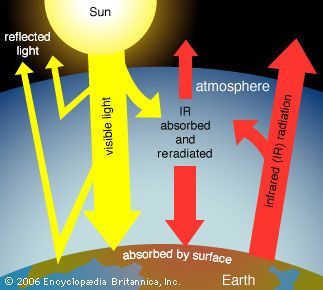
Some paleontologists argue that terrestrial events contributed to or caused the decline. A major outpouring of lava known as the Deccan Traps in India released significant amounts of carbon dioxide, potentially causing a global greenhouse effect. Additionally, tectonic plate movements and continental drift may have gradually deteriorated habitats, making species more vulnerable to environmental shifts.12
It is possible that a combination of these catastrophic and gradual factors led to the final collapse of dinosaur populations.12
What are dinosaurs and when did they live on Earth?
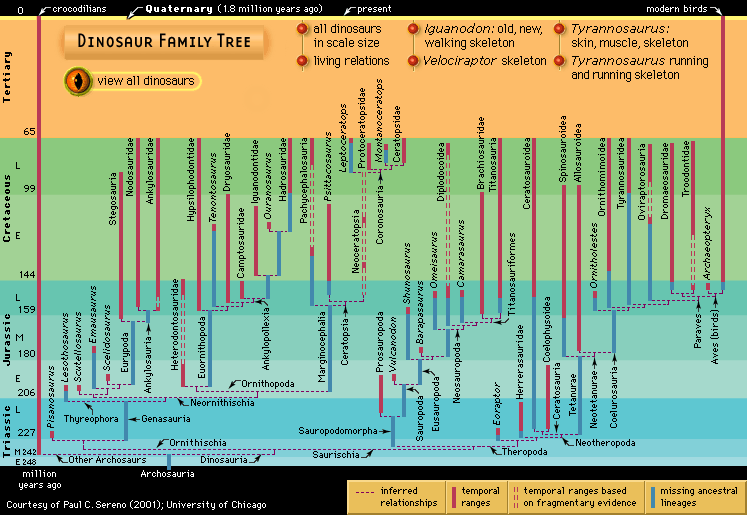
Dinosaurs are a diverse group of reptiles that served as the dominant terrestrial life form on Earth during the Mesozoic Era. The name dinosaur is derived from the Greek words deinos (“terrible” or “fearfully great”) and sauros (“reptile” or “lizard”).67
When Did They Live?
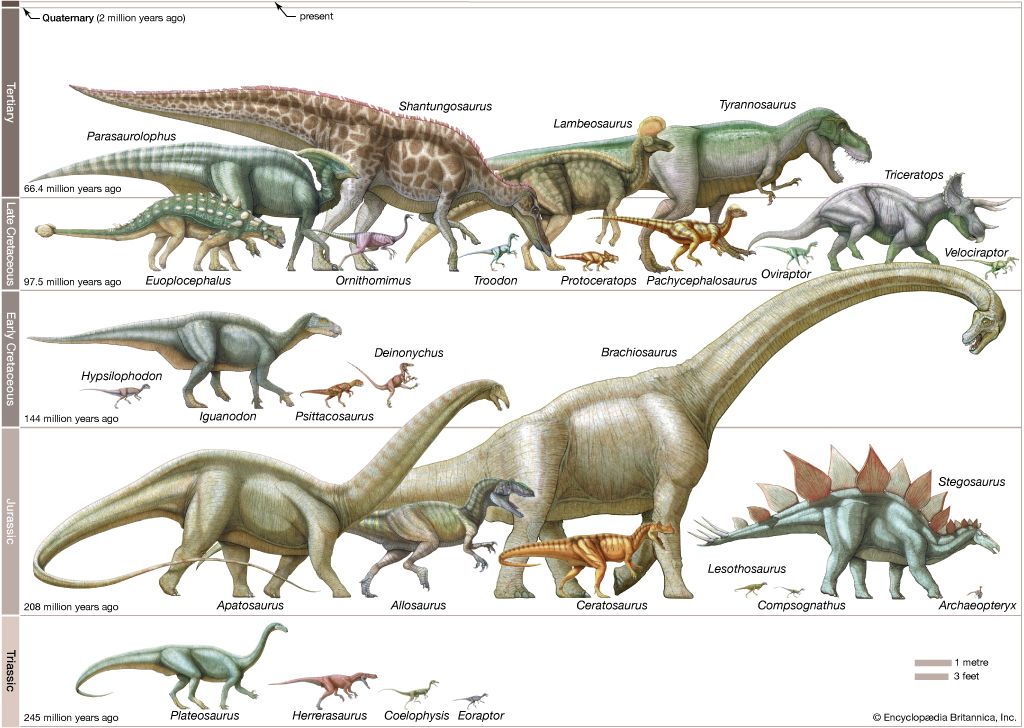
Dinosaurs first appeared roughly 245 million years ago, near the beginning of the Middle Triassic Epoch. They thrived worldwide for nearly 180 million years throughout the Mesozoic Era, which spanned from 252.2 million to 66 million years ago. While most dinosaur lineages went into decline and died out by the end of the Cretaceous Period about 66 million years ago, evidence shows that one specific lineage evolved into birds approximately 155 million years ago.786
Key Characteristics
Unlike many other reptiles, dinosaurs held their limbs under their bodies in a columnar fashion, similar to large mammals. They were highly diverse, with fossil remains documented on every continent. Paleontologists classify them into two major orders based on their pelvis structure: Saurischia (“lizard hips”) and Ornithischia (“bird hips”).79
What are some of the most unusual or unique dinosaur species discovered?
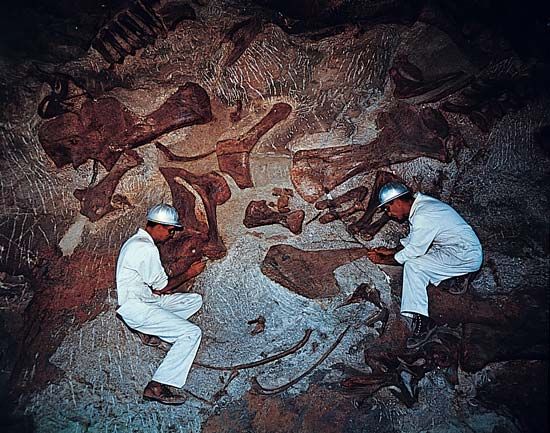
The fossil record has revealed a fascinating array of dinosaurs with unique physical adaptations and behaviors. Here are some of the most unusual species discovered:
Unique Physical Adaptations
- Spinosaurus: Known as the “spined reptile,” this massive theropod is distinguished by a large “sail” on its back, likely used for social display or species recognition. It possessed a long, crocodile-like skull and a paddle-shaped tail, which researchers believe were adaptations for a semi-aquatic, wading lifestyle.11
- Ankylosaurus: Often described as a combination of a turtle and a rhinoceros, this dinosaur was heavily armored with spikes and plates. Its most unique feature was a massive bony club at the end of its tail, which served as a formidable defensive weapon against predators.12
- Pachycephalosaurus: This dinosaur is famous for the thick, bony dome on its head, which was often adorned with spikes or knobs. While once thought to be used for head-butting, scientists now believe these “bone hats” were primarily for display or species recognition.12
- Kosmoceratops: A relative of Triceratops, this ceratopsian is considered by many paleontologists to have the most ornate skull of any known dinosaur, featuring a broad frill and hooks that projected forward from the top of its head.13
Unusual Features and Behaviors
- Therizinosaurus: These late Cretaceous theropods are easily recognized by their nightmarish, long claws. Despite their intimidating appearance, they were likely herbivores, possessing small skulls and leaf-shaped teeth.12
- Dreadnoughtus schrani: One of the largest terrestrial animals to ever walk the planet, this massive sauropod reached lengths of about 26 meters (85 feet). Its name, meaning “fear nothing,” reflects the belief that its immense size protected it from almost all predators.12
- Compsognathus: These diminutive theropods were about the size of a turkey, providing a remarkable sense of scale compared to their larger relatives. Their lithe, bird-like proportions offer significant evidence for the evolutionary link between dinosaurs and modern birds.12
What was the climate and environment like during the time of the dinosaurs?
The climate and environment during the Mesozoic Era—the time of the dinosaurs—were characterized by generally warm, equable conditions and significant geological transition.179
Climate and Atmosphere
The Mesozoic climate was notably warmer than today, with a much smaller temperature difference between the equator and the poles. During the Jurassic Period, there is no evidence of polar ice caps, likely due to the lack of landmasses at the poles or generally high global temperatures. These warm conditions were potentially driven by increased volcanic activity, which released large amounts of carbon dioxide into the atmosphere, creating a greenhouse effect. While the climate was generally warm, it was also marked by extreme monsoon seasons, and large regions of the globe were arid.17189
Geography and Environment
At the start of the era, the world’s landmasses were united in the supercontinent of Pangea. Throughout the Mesozoic, plate tectonics caused Pangea to rift and the continents to drift toward their modern configurations. This movement created diverse environments, including expansive floodplains, deltas, and shallow continental shelves that supported a wide variety of life](https://www.britannica.com/science/continental-shelf) that supported a wide variety of life. Vegetation also evolved, shifting from seed ferns and gymnosperms to the rise of angiosperms (flowering plants) by the Cretaceous Period.1991820
Sources
- Cretaceous Period - Mass extinction — Encyclopædia Britannica
- dinosaur - The K–T boundary event — Encyclopædia Britannica
- Alvarez theory — Merriam-Webster
- K–T extinction — Encyclopædia Britannica
- end-Triassic extinction — Encyclopædia Britannica
- dinosaur: Top Questions — Encyclopædia Britannica
- dinosaur - Classification — Encyclopædia Britannica
- dinosaur - Dinosaur ancestors — Encyclopædia Britannica
- Mesozoic Era — Encyclopædia Britannica
- dinosaur — Encyclopædia Britannica
- Spinosaurus — Encyclopædia Britannica
- 6 Awesome Dinosaur Species You Should Know — Encyclopædia Britannica
- dinosaur - Stegosauria — Encyclopædia Britannica
- ceratopsian — Encyclopædia Britannica
- dinosaur - Theropoda — Encyclopædia Britannica
- Triceratops — Encyclopædia Britannica
- Jurassic Period - Paleoclimate — Encyclopædia Britannica
- Triassic Period — Encyclopædia Britannica
- Mesozoic Era - Mesozoic life — Encyclopædia Britannica
- dinosaur - Habitats — Encyclopædia Britannica
- geologic history of Earth - Formation of the secondary atmosphere — Encyclopædia Britannica
- evolution of the atmosphere - Attainment of the modern O 2 level — Encyclopædia Britannica
- plate tectonics - Extinction — Encyclopædia Britannica
Published on · 5 min read