Apple
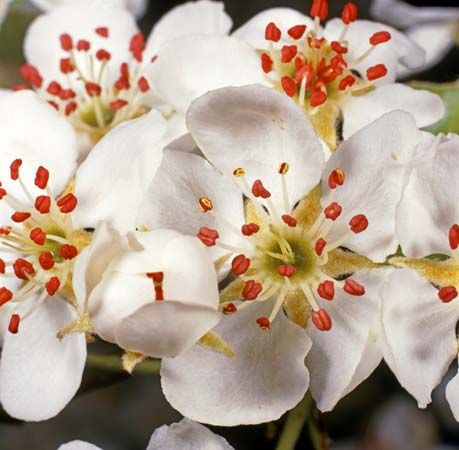
Bees are essential to apple production, as they facilitate the pollination necessary for the development of high-quality fruit. By transferring pollen from…
What role do bees and other pollinators play in apple production?
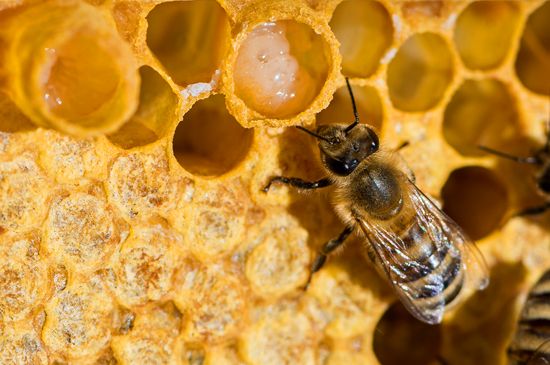
Bees are essential to apple production, as they facilitate the pollination necessary for the development of high-quality fruit. By transferring pollen from the male anthers to the female stigmas, bees stimulate fertilization and seed formation, which directly influence the size, shape, and flavor of the apples.12
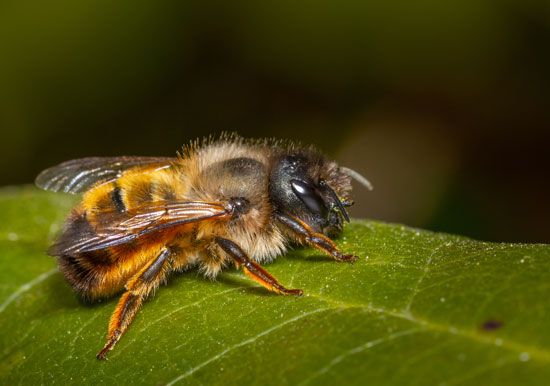
In commercial orchards, growers often rely on the honeybee to ensure successful yields. It is standard practice to place approximately one colony of bees per acre within or adjacent to the orchard during the bloom period. While honeybees are the primary insect pollinators used in this capacity, orchard bees and various wild bee species also contribute significantly to the process.132
The effectiveness of this pollination can be weather-dependent; cold or rainy conditions during bloom can reduce bee activity, which may negatively impact fruit set. Ultimately, the presence of these pollinators is vital for maintaining the scale and affordability of apple production.12
How does the process of grafting contribute to apple cultivation?
Grafting is a fundamental practice in apple cultivation, serving as the primary method for propagating desired cultivars while managing tree growth and health. Because apple trees do not grow “true to seed,” grafting allows growers to maintain the specific characteristics of a chosen variety by joining a scion (the desired fruit-bearing wood) onto a compatible rootstock.567
This process offers several critical advantages for orchard management:
- Growth Control: Growers use specific clonal rootstocks to control the size of the tree, ranging from dwarfing rootstocks that produce smaller, more manageable trees to those that invigorate growth.57
- Adaptability: Grafting allows trees to be better adapted to specific soil conditions or climates, as the rootstock can be selected for its hardiness or resistance to local environmental stressors.57
- Disease Resistance: By selecting rootstocks with known resistance to certain plant diseases, cultivators can protect the scion variety from soil-borne pathogens.57
- Efficiency: A small amount of scion material can be used to produce hundreds of trees within a year, making it an efficient method for large-scale production.57
How do apple trees grow and what conditions do they need to thrive?
Apple trees (Malus domestica) are resilient, temperate-zone plants that require specific environmental conditions to thrive. Because they need a significant period of dormancy, they are best suited for regions between 30° and 60° latitude in both the Northern and Southern Hemispheres.68
To grow successfully, apple trees require the following conditions:
- Topography: Rolling hilltops or sloping hillsides are preferred. These locations provide “air drainage,” which allows cold, heavy air to settle in the valleys below, protecting blossoms and young fruit from frost damage during spring nights.68
- Soil: Trees must be planted in well-drained soil. While they can adapt to various conditions, soil fertility is important, and supplemental fertilizers—particularly nitrogen—are often necessary to maintain high yields.69
- Pollination: Most varieties require cross-pollination to produce fruit. This process is facilitated by insects, primarily honeybees and orchard bees, which transfer pollen between flowers.6
- Management: Cultivation involves grafting desired varieties onto hardy rootstocks, followed by years of careful pruning to ensure structural integrity and a rigorous spraying regime to manage pests and diseases and a rigorous spraying regime to manage pests and diseases.6
What are the main varieties of apples grown around the world?
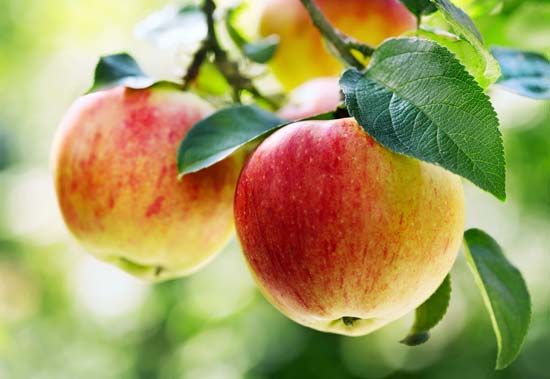
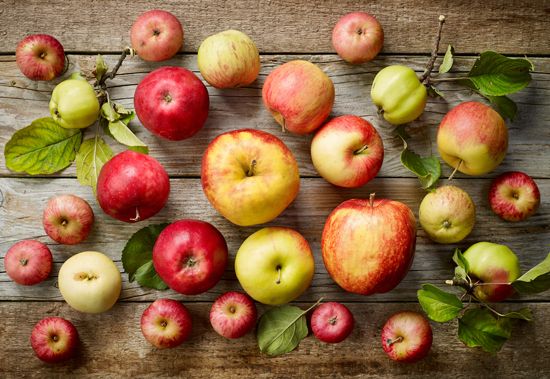
There are thousands of apple varieties worldwide, which are broadly categorized into three functional classes: cider, cooking, and dessert varieties. While these types differ significantly in their physical attributes—such as color, size, aroma, and texture—dessert varieties are specifically cultivated to emphasize qualities like smoothness, crispness, and tang.68
In the United States, some of the most popular dessert varieties include:
These varieties are typically high in sugar and mildly acidic, making them well-suited for eating raw. In contrast, cider and cooking varieties are selected for different chemical profiles, such as higher tannin content or specific acidity levels, to suit their respective commercial uses.6
Sources
- Fruit farming - Pollination — Encyclopædia Britannica
- Beekeeping - Pollination — Encyclopædia Britannica
- Why are bees important? — Encyclopædia Britannica
- Major types of pollinators - Bees — Encyclopædia Britannica
- graft — Encyclopædia Britannica
- Apple — Encyclopædia Britannica
- horticulture - Grafting — Encyclopædia Britannica
- Apple: Top Questions — Encyclopædia Britannica
- Fruit farming - Fertilization — Encyclopædia Britannica
Published on · 3 min read