Apricot
The apricot (Prunus armeniaca) was originally domesticated in China. While its exact path of migration is not fully detailed in the provided records…
How did the cultivation of apricots spread from its origin to other parts of the world?
The apricot (Prunus armeniaca) was originally domesticated in China. While its exact path of migration is not fully detailed in the provided records, archaeological evidence confirms that the fruit was consumed in ancient Armenia at an early stage in its history.
The global expansion of apricot cultivation continued significantly in later centuries. The fruit was introduced to the New World in the early 18th century by Spanish missionaries who brought it to California. Today, the tree is cultivated on every continent except Antarctica, with major production currently centered in countries such as Turkey, Uzbekistan, Iran, Algeria, and Italy.1
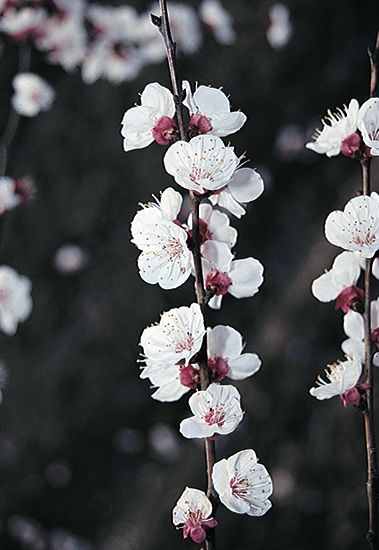
What are the nutritional benefits of eating apricots?
Apricots are a nutrient-dense fruit that offer several health benefits. They are particularly noted for being an excellent source of vitamin A, which the body derives from carotene found in the fruit’s flesh. Additionally, apricots provide a good amount of vitamin C, which is essential for disease prevention and general health.31
Beyond vitamins, apricots are high in natural sugar, providing a quick source of energy. When consumed in their dried form, they serve as an excellent source of iron.1
The following table provides an approximate nutritional breakdown per 100 grams of fresh apricot:
Nutrient
Amount
Energy
48 kcal
Water
86.35 g
Carbohydrate
11.12 g
Vitamin C
10.0 mg
Vitamin A
2,612 IU
Protein
1.40 g
Fat
0.39 g
Note: Actual nutrient composition can vary based on growing conditions, harvest time, and storage methods.3
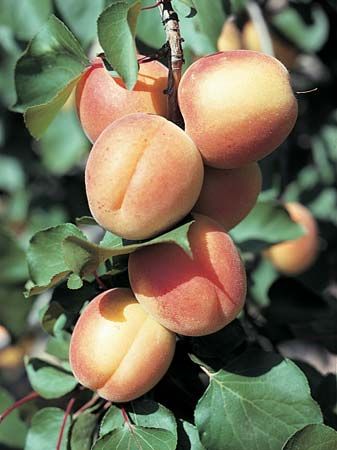
How are apricots used in various cuisines around the world?
Apricots are a versatile fruit enjoyed globally in a variety of culinary applications. They are commonly consumed fresh or cooked, and they are frequently preserved through canning or drying to extend their availability.1
In many cuisines, apricots are processed into jams and spreads. Beyond their use in desserts and preserves, they are also utilized to flavor liqueurs. Additionally, the seeds—often referred to as kernels—of certain varieties are sweet and can be consumed, though they must be roasted to remove toxicity before they are safe to eat.1
While the provided information highlights these general culinary uses, it does not detail specific regional dishes or traditional recipes beyond their widespread cultivation in temperate regions, particularly the Mediterranean.1
What are the primary differences between apricots and peaches?
Apricots (Prunus armeniaca) and peaches are closely related members of the Rosaceae family, but they possess distinct physical and biological characteristics.1
Key Differences
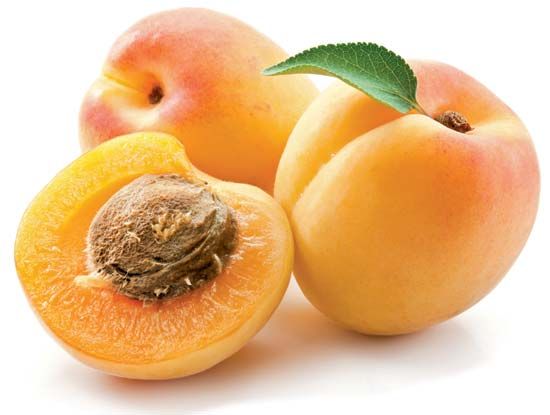
- Skin Texture: While both fruits are drupes, the apricot is nearly smooth with little to no hairiness when ripe. In contrast, peaches are typically characterized by a fuzzy or “velvety” skin texture.1
- Appearance: Apricots are generally smaller, ranging from round to oblong, and their flesh is typically a rich yellow to yellowish-orange. Peaches are often larger and vary more widely in skin and flesh color.1
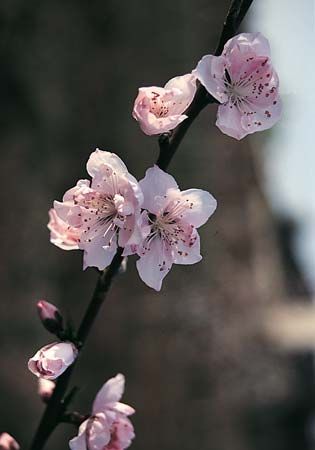
- Bloom Timing: Although both trees are hardy, apricot blossom buds open earlier in the season than those of the peach, making them more susceptible to damage from late spring freezes.1
- Cultivation: Apricots are often propagated by budding onto either peach or apricot rootstocks, and because they are closely related, these species can be readily intergrafted.1
Both fruits share a similar stone-fruit structure with a large, flat pit containing the seed.1
Sources
- Apricot — Encyclopædia Britannica
- apricot — Merriam-Webster
- fruit processing - Moisture content , acidity, and vitamin content — Encyclopædia Britannica
Published on · 3 min read