Rosales
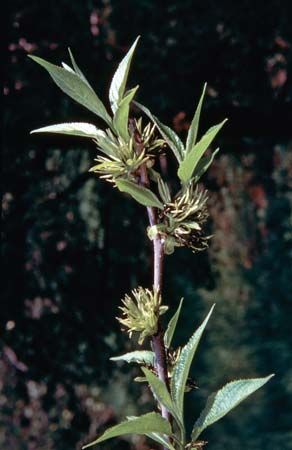
The Rosales order is a diverse group of dicotyledonous flowering plants comprising 9 families and over 7,700 species. While the order includes a wide variety…
Which important plant families are included in the Rosales order?
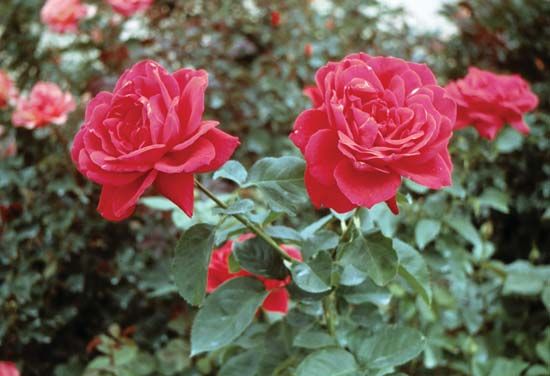
The Rosales order is a diverse group of dicotyledonous flowering plants comprising 9 families and over 7,700 species. While the order includes a wide variety of plants, approximately 93 percent of its species are concentrated within four primary families:
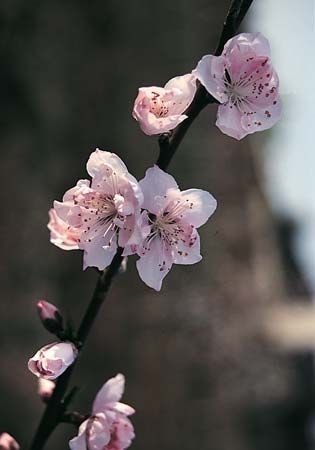
- Rosaceae: The rose family, which includes many economically significant ornamental plants and fruit-bearing trees and shrubs, such as apples, peaches, cherries, pears, strawberries, and raspberries.
- Urticaceae: Often known as the nettle family.
- Moraceae: The mulberry family, which includes plants such as figs.
- Rhamnaceae: The buckthorn family.
Beyond these four major groups, the order encompasses a variety of other plants, including elms and spireas. These families were historically classified within different orders, such as Urticales and Rhamnales, before being grouped into the current order of Rosales.1
Are there any medicinal uses for plants from the Rosales order?
Many plants within the Rosales order have been utilized in traditional medicine, though scientific validation for many of these historical remedies remains limited.
Medicinal Uses in Rosaceae
The rose family has a long history of local medicinal use:
- Digestive Health: Native Americans in Washington state historically used infusions from strawberries, crab apple bark, and the flowers of Holodiscus discolor to treat diarrhea. Similar decoctions were prepared from blackberries and raspberries for the same purpose3.
- General Remedies: In Europe, agrimony (Agrimonia eupatoria) was historically regarded as a cure-all, used for treating wounds, snakebites, liver ailments, and warts, in addition to diarrhea.4
Medicinal Uses in Urticaceae
The nettle family also features species with medicinal applications:
- Stinging Nettle: The stinging nettle (Urtica dioica) is commonly used in herbal medicine. Additionally, its young leaves are often cooked and consumed as a nutritious potherb.3
While these plants have traditional applications, it is important to note that some members of the Rosales order contain toxic compounds. For example, many species in the rose family produce cyanogenetic glycosides, which can release poisonous hydrogen cyanide if consumed in quantity.4

What are some of the economic importance of plants in the Rosales order?
Plants within the Rosales order are of significant economic importance, primarily providing food, timber, and various industrial materials.
Food and Agriculture
The order is renowned for its fruit-bearing species, particularly within the Rosaceae family. While not staple crops, these fruits are essential to human diets globally:
- Stone Fruits and Pomes: Species such as apples, pears, cherries, peaches, plums, and apricots are major commercial crops.1
- Berries: Strawberries, raspberries, and blackberries are widely cultivated.1
- Tropical Staples: The Moraceae family provides critical food sources like breadfruit, jackfruit, figs, and mulberries.89
Timber and Industrial Uses
Many species are valued for their high-quality wood and secondary products:
- Timber: Black cherry and pearwood are prized for fine furniture, cabinetry, and musical instruments. The Moraceae family provides durable woods like iroko, used in boatbuilding and flooring, and letterwood for decorative inlays.109
- Latex and Dyes: Moraceae species historically provided rubber and are used in products like chewing gum and adhesives. The Rhamnaceae family yields natural dyes and medicinal compounds like cascara sagrada.911
What is the geographical distribution of plants in the Rosales order?
Plants in the Rosales order are found globally, inhabiting diverse environments ranging from Arctic regions to the tropics, and from sea level to high mountain elevations. They thrive in varied ecosystems, including forests, grasslands, and deserts.1
While the order is nearly ubiquitous, the distribution of its specific families varies significantly:
- Rosaceae: Primarily concentrated in the north temperate zone, though some genera are widespread across multiple continents. Discontinuities in their ranges are often attributed to historical climate changes and geological shifts, such as the existence of the Bering Strait land bridge.1
- Urticaceae: Distributed worldwide but reaches its greatest diversity in tropical and subtropical regions.1
- Moraceae: Found principally in tropical and subtropical areas, with only a few genera, such as Morus (mulberry), extending into temperate regions.113
- Rhamnaceae: Distributed globally, with a particular prevalence in tropical and warm temperate zones.1
- Ulmaceae: Widely distributed throughout the north temperate zone, with the highest concentration in Asia.1
- Cannabaceae: Found across the Northern Hemisphere and in southern Africa.1
Some smaller families, such as Barbeyaceae and Dirachmaceae, have highly restricted distributions, limited to specific regions like northeast Africa, Arabia, Somalia, and Socotra.1
Sources
- Rosales — Encyclopædia Britannica
- Rosaceae — Encyclopædia Britannica
- Rosales - Chemicals — Encyclopædia Britannica
- Rosales - Characteristic morphological features — Encyclopædia Britannica
- list of economically important members of the family Rosaceae — Encyclopædia Britannica
- Urticaceae — Encyclopædia Britannica
- Rosales - Evolution — Encyclopædia Britannica
- Rosales - Fruit species — Encyclopædia Britannica
- Moraceae — Encyclopædia Britannica
- Rosales - Rhamnaceae — Encyclopædia Britannica
- Rosales - Moraceae — Encyclopædia Britannica
- Rosales - Wood — Encyclopædia Britannica
- Rosales - Distribution and abundance — Encyclopædia Britannica
- Moraceae — Merriam-Webster
Published on · 3 min read