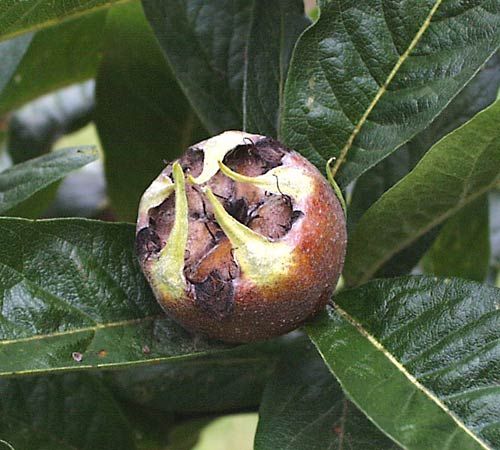
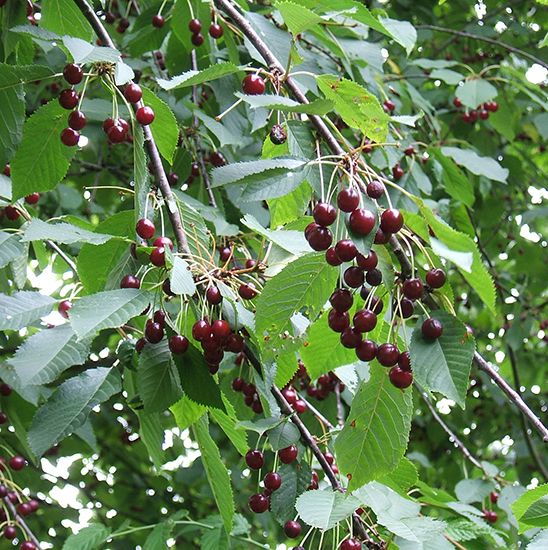
Rosaceae
The classification of the Rosaceae family, which comprises approximately 2,500 species across more than 90 genera, is considered somewhat contentious in the…
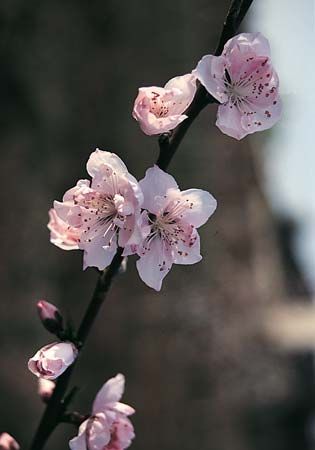
How has the classification of the Rosaceae family evolved over time?
The classification of the Rosaceae family, which comprises approximately 2,500 species across more than 90 genera, is considered somewhat contentious in the field of taxonomy.12
Traditionally, the family has been divided into four distinct subfamilies based primarily on the characteristics of their fruit:
- Amygdaloideae: Characterized by drupes, or fleshy stone fruits, such as those found in the genus Prunus.12
- Maloideae: Defined by the production of pomes, where the floral hypanthium becomes fleshy, as seen in apples and pears.12
- Rosoideae: Distinguished by achenes (dry, indehiscent fruits) or drupelets, common in roses and blackberries/rose-plant) and blackberries.12
- Spiraeoideae: Identified by follicles, which are dry fruits that open along one side, such as those in the genus Spiraea such as those in the genus Spiraea.12
While this fruit-based classification remains a standard reference, the evolutionary history of the family is better understood through its position as the earliest diverging family within the order Rosales. Ongoing research continues to refine these relationships as scientists analyze morphological and genetic data.32
How do pollination and seed dispersal mechanisms work in Rosaceae plants?
Pollination and seed dispersal in the Rosaceae family are highly specialized processes that have evolved to ensure reproductive success through interactions with insects and animals.14
Pollination Mechanisms
Most members of the Rosaceae family are insect-pollinated. Their flowers are typically flat or shallowly cup-shaped, radially symmetric, and often feature a hypanthium (floral cup) lined with nectar-producing tissue to attract pollinators.1
- Bees: As the most significant animal pollinators, bees are frequent visitors to Rosaceae flowers. These flowers often provide a landing platform and may feature bright colors (such as yellows or blues) and nectar guides to assist bees in foraging.4
- Beetles: Some species, such as wild roses, produce a superabundance of pollen to attract beetles, which may incidentally transfer pollen while foraging.5
Seed Dispersal Mechanisms
The Rosaceae family produces a diverse array of fruits, which serve as the primary units for seed dispersal. Dispersal strategies are largely dictated by the fruit type:16
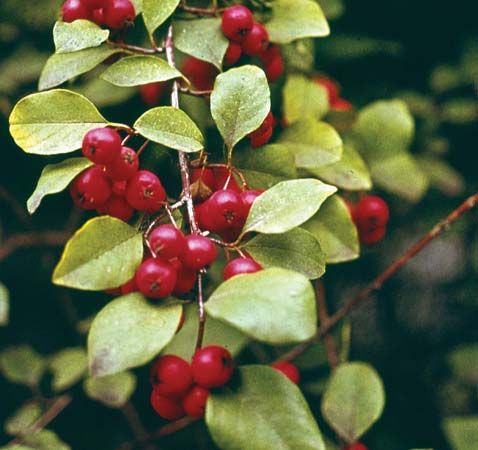
- Endozoochory (Animal Ingestion): Many Rosaceae species, including plums, blackberries, and rose hips, produce fleshy, brightly colored fruits (such as drupes or pomes) that attract birds and mammals. These animals consume the fruit and subsequently disperse the seeds through their feces, often at a distance from the parent plant.1789
- Epizoochory (External Transport): Some plants in the family have evolved structures like hooks, barbs, or prickles on their fruits or persistent calyxes. These allow the seeds to cling to the fur of passing animals, facilitating transport to new locations.10
Are there any unique adaptations or features found in Rosaceae plants?
Plants in the Rosaceae family exhibit several unique adaptations and features that aid in their survival and reproduction.
Physical Defenses
Many Rosaceae species are woody plants that have evolved physical structures to discourage herbivores. A notable feature is the presence of prickles—pointed, razor-sharp protuberances from the plant’s epidermis—which are often mistaken for thorns. Unlike true thorns, which are modified branches or stems, prickles serve as a defensive barrier against browsing animals.112
Chemical Adaptations
The family is also known for producing specialized chemical compounds, most notably cyanogenetic glycosides such as amygdalin. These compounds are found in the seeds, pits, and leaves of various species, including cherries, plums, and apples. When plant tissue is damaged or ingested, these glycosides can release hydrogen cyanide, a potent toxin that inhibits oxygen uptake in animals. While this serves as a chemical defense, it also highlights the evolutionary trade-off between plant protection and the consumption of these fruits by humans and animals.13
Floral and Reproductive Features
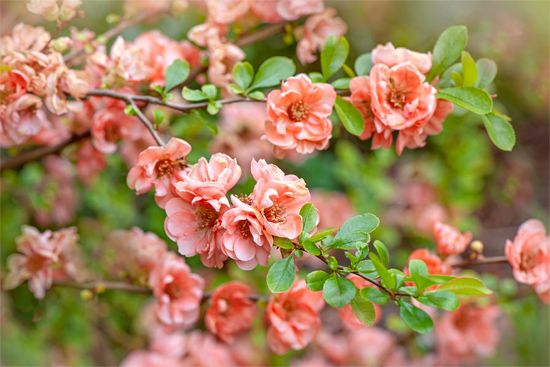
Rosaceae flowers are typically radially symmetric and feature a hypanthium, or floral cup, which is often lined with nectar-producing tissue to attract insect pollinators. The family’s classification is uniquely tied to its diverse fruit types, which include achenes, drupes, follicles, and pomes, each representing a distinct evolutionary strategy for seed dispersal.1
How diverse is the Rosaceae family in terms of plant types and habitats?
The Rosaceae family, or rose family, is a major group of angiosperms comprising approximately 2,500 species across more than 90 genera. This family demonstrates significant diversity in both its physical forms and its ecological distribution.114
Plant Types
Members of the Rosaceae family are primarily woody plants, ranging from small to medium-sized trees to various types of shrubs. The genus Rubus, which includes blackberries and raspberries, is characterized by arching shrubs or tangled scramblers. Additionally, the family includes numerous herbaceous perennials, such as strawberries, cinquefoil, and avens.1
Habitats and Distribution
While the family is found globally, the vast majority of its species are concentrated in the north temperate zone. They occupy a wide variety of habitats, ranging from forests and grasslands to high mountain regions. Some genera, such as Prunus (including cherries and plums), are widely distributed across North America, Asia, and Europe, with some species extending into the subtropics and parts of the Southern Hemisphere.13
Sources
- Rosaceae — Encyclopædia Britannica
- Rosales - Evolution — Encyclopædia Britannica
- list of plants in the family Rosaceae — Encyclopædia Britannica
- Angiosperm - Mechanisms of dispersal — Encyclopædia Britannica
- Fruit - Dispersal — Encyclopædia Britannica
- Major types of pollinators - Beetles and flies — Encyclopædia Britannica
- Major types of pollinators - Bees — Encyclopædia Britannica
- Seed dispersal - Zoochory: animal dispersal — Encyclopædia Britannica
- Seed - Dispersal by animals — Encyclopædia Britannica
- Pollination - Structural — Encyclopædia Britannica
- Seed - Dispersal by birds — Encyclopædia Britannica
- Botanical Barbarity: 9 Plant Defense Mechanisms — Encyclopædia Britannica
- Rosales - Chemicals — Encyclopædia Britannica
- Rosales - Distribution and abundance — Encyclopædia Britannica
- Rosales — Encyclopædia Britannica
Published on · 4 min read