Arabian Horse
The Arabian horse is recognized as the earliest improved breed of horse, having been developed in Arabia by the 7th century CE. While its precise origins are…
How has the breeding of Arabian horses evolved over time?
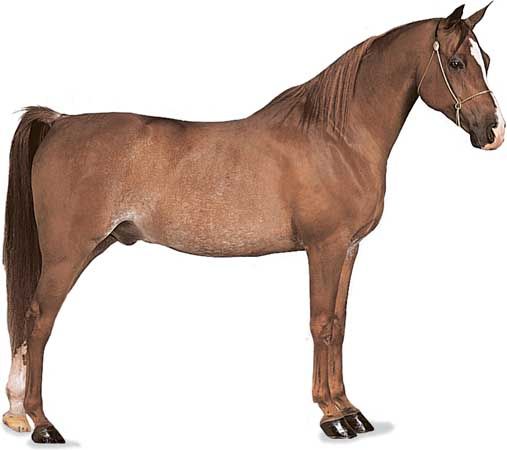
The Arabian horse is recognized as the earliest improved breed of horse, having been developed in Arabia by the 7th century CE. While its precise origins are often obscured by legend, the breed was selectively refined for qualities such as speed, stamina, intelligence, and beauty.12
Historically, the Arabian horse played a pivotal role in the evolution of other equine types. During the Middle Ages, the importation of Arabian stock was instrumental in improving European horse breeds, contributing to the development of both war-horses and the ancestors of modern draft breeds. The Crusades further facilitated the spread of the breed, as European nobility, impressed by the speed and agility of these horses, imported them in large numbers to England and France. Additionally, the introduction of Arabian and North African horses into Spain by the Moors led to the creation of superior breeds that eventually influenced the equine populations of the New World.3
Today, the Arabian horse remains a distinct, compact breed, and while the Najd region of Saudi Arabia is its most famous historical center, it is now bred globally, including in the United States.12
How does the Arabian horse’s skeletal structure differ from other horse breeds?
The Arabian horse possesses a distinct skeletal characteristic that sets it apart from most other horse breeds. While the typical horse has 24 vertebrae, the Arabian breed usually has only 23.13
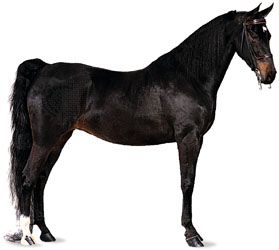
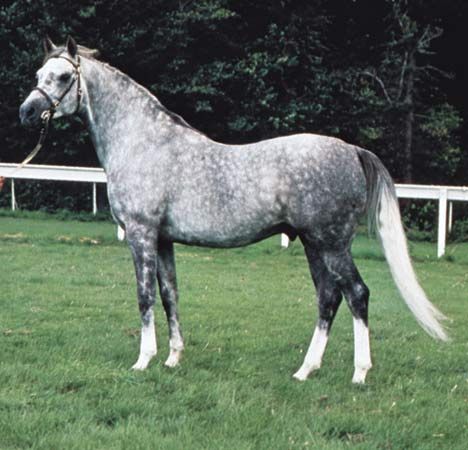
This difference in the vertebral column is a notable anatomical feature of the breed, which is otherwise characterized by a compact, relatively small frame, a short back, and marked withers. It is important to note, however, that variation in the number of vertebrae is found across a wide diversity of horse breeds, meaning this trait is not exclusive to the Arabian, though it is a standard feature of the breed’s morphology.13
How did the Arabian horse breed originate and where?
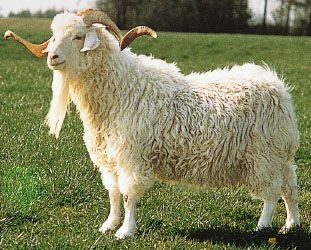
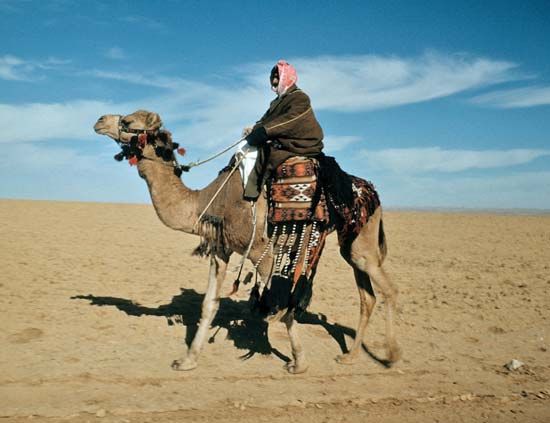
The Arabian horse is recognized as the earliest improved breed of horse, having been developed in Arabia by the 7th century CE. While the breed’s long history is often obscured by legend, it was selectively refined by the Bedouin people, who adapted to nomadic life in the Arabian Desert by breeding horses alongside camels and sheep.124
The breed originated from horses that migrated from Central Asia into the Middle East, eventually becoming a distinct, compact, and highly valued animal known for its speed, stamina, intelligence, and beauty. The Najd region of Saudi Arabia is historically noted as the most famous center for Arabian horse breeding. Over time, the breed’s influence spread globally, particularly through the Crusades and the movement of horses into Europe and North Africa, where they were used to improve other equine types.156
What role do Arabian horses play in modern equestrian sports and activities?
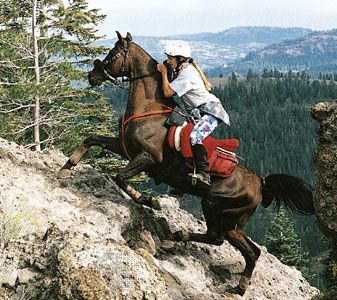
In modern equestrian sports and activities, the Arabian horse is highly valued for its exceptional stamina, intelligence, and spirit. Because of these physical and mental traits, the breed is particularly renowned for excelling in endurance competitions, where their ability to maintain performance over long distances is a significant advantage.184
Beyond specialized endurance events, Arabian horses are widely utilized as versatile riding horses. Their historical role as an “improved” breed also continues today, as they are frequently used as sires to refine, modify, or enhance the qualities of other horse breeds worldwide. Their influence is evident in many modern light horse breeds, contributing to the speed, beauty, and character found in various equestrian disciplines.4189
Sources
- Arabian horse — Encyclopædia Britannica
- military technology - The war-horse — Encyclopædia Britannica
- horse - Arabian — Encyclopædia Britannica
- Arabian horse — Merriam-Webster
- Arabian Desert - People of the Arabian Desert — Encyclopædia Britannica
- Bedouin — Encyclopædia Britannica
- horse racing - Early history — Encyclopædia Britannica
- horse - Light breeds — Encyclopædia Britannica
- horse - Breeds of horses — Encyclopædia Britannica
Published on · 3 min read