Barb
The term "Barb" has several distinct meanings depending on the context:
What is Barb?
The term “Barb” has several distinct meanings depending on the context:
- Physical and Descriptive: A barb can refer to a sharp, backward-pointing projection on an object like a fishhook or arrow, a biting critical remark, a side branch on a feather, a hooked plant hair, or a medieval chin-covering headdress.1
- Biological/Action: As a verb, to barb means to furnish something with a barb.2
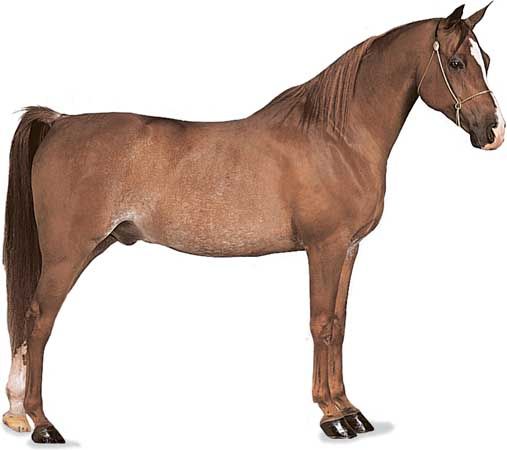
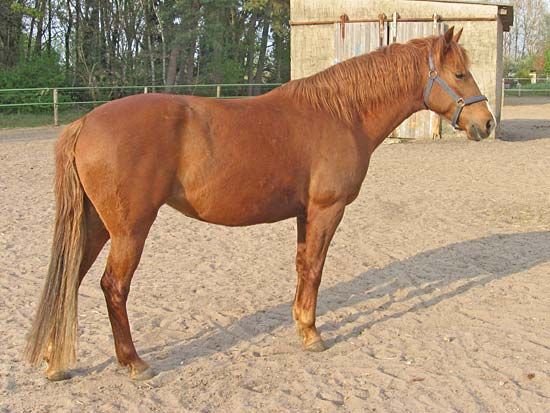
- Animal: It refers to a breed of North African horse known for its speed and endurance.3
- Slang: In informal usage, a barb is a term for a barbiturate.4
Note that “Barb” is not a shortened form of Barbados, which is an island nation in the West Indies.5
How do barbs on a feather help a bird fly?
Barbs are essential to a bird’s ability to fly because they form the structural foundation of the vane, the flat, aerodynamic surface of a feather.6
A typical contour feather consists of a central shaft, or rachis, with parallel branches called barbs extending from each side6. To create a coherent, stiff surface capable of resisting air pressure during flight, these barbs are equipped with smaller, secondary branches known as barbules with smaller, secondary branches known as barbules.76
The barbules on the distal side of each barb feature tiny, hook-like structures called hamuli. These hooks interlock with the grooves of the barbules on the adjacent barb, effectively “zipping” the barbs together. This interlocking mechanism creates a strong, lightweight, and flexible web that allows the feather to maintain its shape against the force of the air, serving as an effective aerodynamic device for flight.76
Why are barbless hooks often used in catch-and-release fishing?
Barbless hooks are frequently used in catch-and-release fishing because they significantly reduce injury to the fish. By lacking the backward-pointing projection that prevents a hook from sliding out, a barbless hook can be removed quickly and with minimal tissue damage. This allows the angler to release the fish back into the water more efficiently, which is critical for increasing the animal’s chances of survival after being caught.
Furthermore, using barbless hooks is often considered a more ethical and sporting practice, as it places a higher emphasis on the skill of the angler to maintain tension on the line to keep the fish hooked, rather than relying on the mechanical advantage of the barb.
What is the history of the medieval headdress known as a barb?
The medieval headdress known as a barb was a piece of cloth worn by women that covered the neck and passed either over or under the chin. Emerging in the 14th century, the term is derived from the Middle English barbe, which also referred to a beard, and traces its etymological roots to the Latin barba.3
While the term “barb” is more commonly associated with sharp projections on hooks or the structural branches of a feather, its historical use as a garment reflects the period’s fashion for modest, face-framing headwear. It served as a functional accessory, often worn in conjunction with other veils or head coverings common to the era.3
Sources
- Barbados — Merriam-Webster
- barb — Merriam-Webster
- barb — Merriam-Webster
- barb — Merriam-Webster
- barb — Merriam-Webster
- Bird - Feathers — Encyclopædia Britannica
- Integument - Birds — Encyclopædia Britannica
- Feather — Encyclopædia Britannica
- barbless — Merriam-Webster
Published on · 2 min read