Arctic National Wildlife Refuge
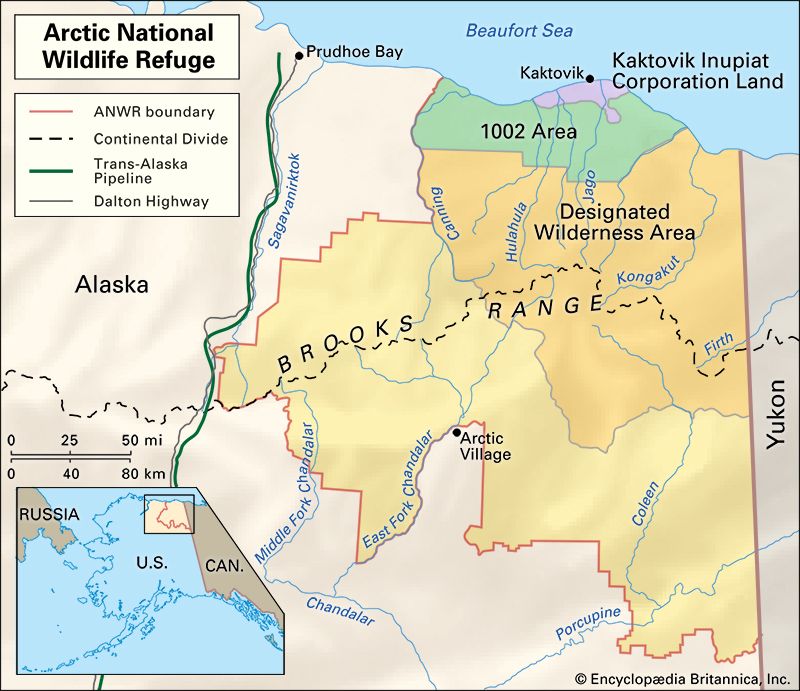
The Arctic National Wildlife Refuge is a vast, largely undisturbed wilderness area located in the northeastern corner of the U.S. state of Alaska.
What is the Arctic National Wildlife Refuge, and where is it located in Alaska?
The Arctic National Wildlife Refuge is a vast, largely undisturbed wilderness area located in the northeastern corner of the U.S. state of Alaska.1
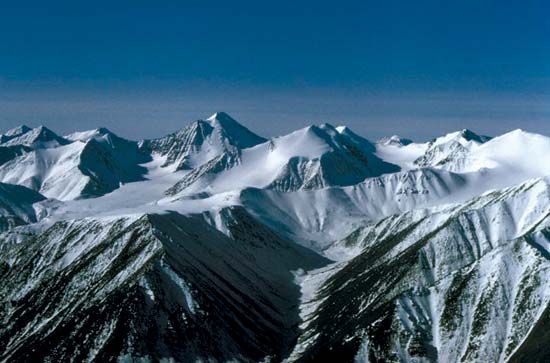
Spanning approximately 30,500 square miles, the refuge lies entirely north of the Arctic Circle. Its geography is defined by the rugged Brooks Range mountains, which descend northward to the coastal plain along the Beaufort Sea. The refuge is bordered to the south by the Yukon Flats National Wildlife Refuge and to the east by Canada’s Ivvavik and Vuntut national parks.1
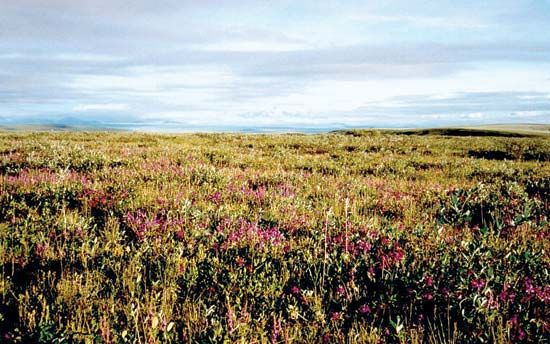
Managed by the U.S. Fish and Wildlife Service, the area is ecologically diverse, encompassing alpine tundra, boreal forest, and Arctic coastal zones. It serves as a critical habitat for numerous species, including polar bears, caribou, and musk oxen. The refuge has long been a site of significant environmental debate due to its potential hydrocarbon reserves and its vulnerability to climate change.12
What is the history behind the establishment of the Arctic National Wildlife Refuge?
The establishment of the Arctic National Wildlife Refuge was the result of decades of advocacy by conservationists, most notably Margaret Murie and her husband, Olaus Murie.
Following an expedition to the Brooks Range in 1956 to document the area’s wildlife and ecological value, the Muries campaigned extensively for federal protection of the region. Their efforts culminated in the establishment of the Arctic National Wildlife Range in 1960, which initially covered approximately 13,900 square miles.
The refuge underwent significant changes with the passage of the Alaska National Interest Lands Conservation Act in 1980. This legislation expanded the area to its current size of 30,500 square miles and renamed it the Arctic National Wildlife Refuge. While the act designated much of the land as protected wilderness, it also set aside the “1002 Area” on the coastal plain for further study of its biological resources and potential hydrocarbon reserves. This specific designation has since remained a focal point of intense debate regarding the ethics and environmental impact of oil exploration.
What are the main arguments for and against oil drilling in the Arctic National Wildlife Refuge?
The debate over oil drilling in the Arctic National Wildlife Refuge centers on the tension between economic interests and environmental preservation.
Arguments for Drilling
Proponents of drilling, which include various political administrations and industry interests, emphasize the potential for economic growth and energy security.
- Hydrocarbon Reserves: The “1002 Area” of the coastal plain is estimated to contain billions of barrels of petroleum, which could provide a significant domestic energy source.1
- Economic Relief: Supporters argue that tapping into these reserves could bolster the economy, particularly in Alaska, where oil production has historically been a primary driver of mineral revenue.4
Arguments Against Drilling
Opponents, including conservationists and various political leaders, prioritize the protection of fragile ecosystems and the rights of Indigenous peoples.
- Irreversible Ecological Damage: Critics argue that industrial activity would cause permanent harm to a pristine wilderness area that supports diverse wildlife, including polar bears and caribou.15
- Limited Impact: Opponents have contended that the oil supplies gained would be insufficient to meaningfully affect global market prices or significantly enhance U.S. energy security.5
- Environmental Risks: Concerns are frequently raised regarding the potential for oil spills and surface disturbances, citing past disasters like the Exxon Valdez and pipeline ruptures that have caused severe damage to Arctic ecology.42
How does the Arctic National Wildlife Refuge contribute to the broader Arctic ecosystem?
The Arctic National Wildlife Refuge serves as a critical component of the broader Arctic ecosystem by protecting a vast, largely undisturbed wilderness that spans multiple ecological zones, from high alpine tundra and boreal forest to coastal plains and marine environments.1
Its contributions to the regional ecosystem include:
- Biodiversity Support: The refuge provides essential habitat for nearly four dozen mammal species and approximately 200 species of birds. It supports diverse populations of predators and herbivores, including polar bears, musk oxen, caribou, and various fish species like Dolly Varden trout.12
- Migration Corridors: The refuge is vital for migratory species. Notably, it serves as a summer breeding ground for major caribou herds that travel thousands of miles annually, as well as a habitat for numerous migratory birds that rely on its wetlands and coastal areas.1
- Climate Monitoring: Because the refuge remains largely untouched by human development, it acts as a sentinel for climate change. Observations of pack ice thinning, permafrost warming, and shifts in wildlife behavior within the refuge provide critical data that reflect broader environmental trends occurring throughout the entire Arctic region.1
Sources
- Arctic National Wildlife Refuge — Encyclopædia Britannica
- Arctic - Environmental concerns — Encyclopædia Britannica
- Margaret Murie — Encyclopædia Britannica
- 2012 presidential election - Barack Obama — Encyclopædia Britannica
- Alaska - Alaska since statehood — Encyclopædia Britannica
- Kobuk Valley National Park — Encyclopædia Britannica
Published on · 4 min read

