Dolly Varden Trout
The Dolly Varden trout (Salvelinus malma) is a char belonging to the family Salmonidae, native to the cool waters of northwestern North America and…
What is Dolly Varden trout?
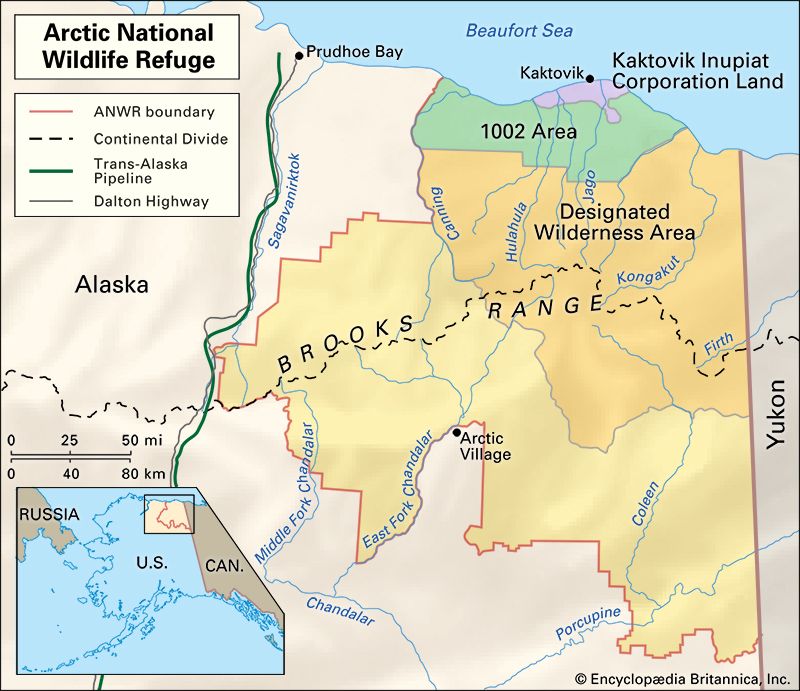
The Dolly Varden trout (Salvelinus malma) is a char belonging to the family Salmonidae, native to the cool waters of northwestern North America and northeastern Asia.12
Distinguished by yellow spots on its back, reddish spots on its sides, and white-edged lower fins, the fish is named after a character from Charles Dickens’ novel Barnaby Rudge. While it is a popular game and food fish, it is often confused with the bull trout (Salvelinus confluentus), a separate species that was formerly classified alongside the Dolly Varden.132
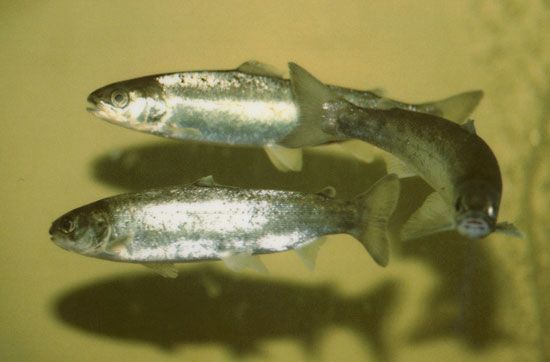
Dolly Varden trout typically weigh between 0.5 and 1.8 kg (1 to 4 pounds), though they can grow significantly larger. Many populations are anadromous, meaning they migrate to the sea—where they take on a larger, silvery appearance—before returning to freshwater streams to spawn.12
What is the difference between a trout and a char?
While trout and char are closely related members of the Salmonidae family, they are distinguished by specific anatomical and physical characteristics. The classification is often complex due to hybridization and regional naming conventions, but biologists generally differentiate them based on the following features:3
Key Differences
- Coloration: Chars typically display red or cream-colored spots on a darker-colored body. In contrast, Oncorhynchus trout usually feature red or black spots on a lighter-colored body.34
- Vomer Bone: The vomer bone, located on the roof of the mouth, provides a primary diagnostic tool. In chars, this bone is boat-shaped and features teeth only on the head (front). In Oncorhynchus trout, the vomer is flatter, and teeth are found on both the head and the shaft.34
- Scales: Chars often possess smaller scales compared to their trout relatives.4
While many species in the genus Salvelinus—such as the brook trout, lake trout, and Dolly Varden trout—are technically classified as chars, they are frequently referred to as trout in common parlance.34
How do fish migrate between freshwater and the sea?
Fish that migrate between freshwater and marine environments, known as diadromous animals, must overcome significant physiological challenges to survive the transition between waters of varying salinity.5
Osmotic Regulation
The primary hurdle for these fish is maintaining homeostasis—the balance of water and dissolved salts within their bodies—despite the reversal of osmotic gradients.6
- Freshwater adaptation: Fish must counteract the constant influx of water and loss of salts by producing large amounts of dilute urine and actively absorbing salts through their gills.67
- Marine adaptation: Fish must conserve water by drinking seawater and excreting excess salt through specialized “chloride cells” in their gills.67
The Role of Estuaries
To avoid physiological shock during these transitions, migratory fish typically spend time in brackish waters, such as estuaries, where they form large aggregations to allow their osmotic regulating systems to adjust.68
Navigation and Homing
Migratory species, such as Atlantic salmon, often return to their natal rivers to spawn. They rely on a sophisticated array of environmental cues, including:95
- Olfaction: The sense of smell is critical for identifying the specific chemical signature of their home stream, often imprinted during early development.95
- Environmental Cues: Fish also utilize the Earth’s magnetic field, the Sun, and water temperature for orientation.95
What are some other types of fish in the Salmonidae family?
The Salmonidae family is a diverse group of fishes that includes several well-known species beyond the common trout and char. These fish are generally found in the Northern Hemisphere and are characterized by the presence of an adipose fin and a swim bladder with an open duct.31011
Key members of the Salmonidae family include:
- Salmon: This group includes the Atlantic salmon and various Pacific salmon species, such as the sockeye, coho, chum, chinook, pink, and cherry salmon.12
- Whitefish: These are valuable, silvery fishes often found in deep, cold northern lakes. Examples include the lake whitefish, ciscoes (or lake herring), and the inconnu (also known as sheefish).10
- Round Whitefishes: Members of the genus Prosopium, such as the Rocky Mountain whitefish, are considered excellent sport fish within the family.10
Sources
- Dolly Varden trout — Encyclopædia Britannica
- bull trout — Merriam-Webster
- trout — Encyclopædia Britannica
- char — Encyclopædia Britannica
- Migration - Anadromous fish — Encyclopædia Britannica
- Marine ecosystem - Migrations of marine organisms — Encyclopædia Britannica
- fish - Excretory organs — Encyclopædia Britannica
- clupeiform - Physiology — Encyclopædia Britannica
- Biosphere - Salinity — Encyclopædia Britannica
- salmon — Encyclopædia Britannica
- whitefish — Encyclopædia Britannica
- protacanthopterygian - Annotated classification — Encyclopædia Britannica
Published on · 3 min read