Arnica
While Arnica is frequently utilized in homeopathic and folk medicine, it is important to be aware that the plant is toxic.
Are there any potential side effects or risks associated with using arnica?
While Arnica is frequently utilized in homeopathic and folk medicine, it is important to be aware that the plant is toxic.1
The primary risk associated with Arnica is that it can cause fatal poisoning if it is ingested internally. Although certain species, such as mountain arnica, have been used historically in the form of essential oils for topical applications like treating bruises and sprains, its internal consumption poses a severe health danger.1
Because of the potential for serious harm, it is essential to prioritize safety and consult with a qualified healthcare professional before using any herbal preparations, especially those known to have toxic properties.
How has arnica been used traditionally in herbal medicine?
Traditionally, Arnica has been utilized in folk and homeopathic medicine, primarily through the use of mountain arnica (Arnica montana). This perennial herb, native to the highlands of northern and central Europe, has historically been processed to yield an essential oil intended for topical application to treat bruises and sprains.1
While historical texts, such as the 17th-century essay De Arnica Lapsorum Panacea by physician Johann Michael Fehr, explored its medicinal potential, it is critical to note that Arnica is a toxic genus. Despite its historical use, the plant can cause fatal poisoning if ingested internally. Because of these significant health risks, modern medical standards emphasize caution and advise against internal use.12
What are the different species of arnica plants, and how do they differ?
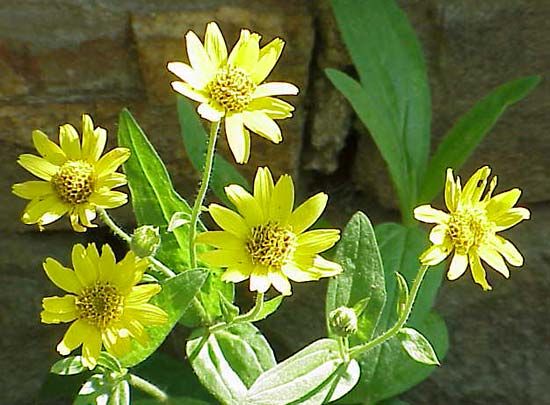
The genus Arnica comprises approximately 30 species of perennial herbs within the composite family (Asteraceae). While these plants share common characteristics—such as growing 10–70 cm tall, featuring oppositely arranged leaves, and producing yellow composite flower heads—they exhibit distinct regional and physical variations.1
Key species include:
- Mountain arnica (Arnica montana): Native to the highlands of northern and central Europe, this species is well-known for yielding an essential oil historically used in topical treatments for sprains and bruises. It is also frequently cultivated as a garden ornamental.1
- Narrowleaf arnica (A. angustifolia): Found in the Arctic regions of Asia and America, this species is distinguished by its larger orange-yellow flower heads, which measure 5–7 cm across. It is considered a protected species in several countries.1
Most Arnica species are native to the mountains of northwestern North America. Regardless of the species, it is vital to remember that Arnica is toxic and can cause fatal poisoning if ingested.1
What is arnica and where does it naturally grow?
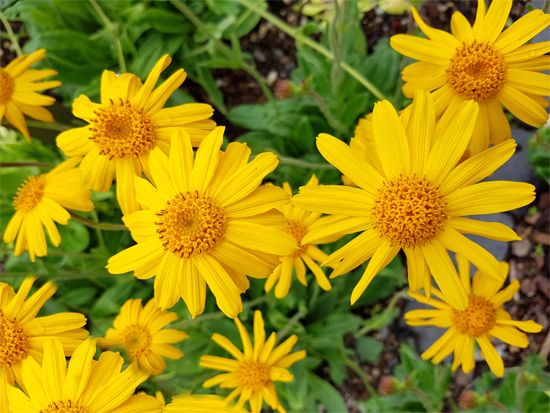
Arnica is a genus of approximately 30 species of perennial herbs belonging to the composite family (Asteraceae). These plants typically grow between 10 and 70 cm tall, featuring oppositely arranged leaves and bright yellow composite flower heads that produce achene fruits.1
Regarding their natural habitat, most Arnica species are found in the mountains of northwestern North America. Notable exceptions include mountain arnica, which is native to the highlands of northern and central Europe, and the narrowleaf arnica, which inhabits Arctic regions of Asia and America.1
It is important to emphasize that while Arnica is frequently used in folk and homeopathic medicine, the plant is toxic. Ingesting it can lead to fatal poisoning, and it should never be consumed internally.1
Sources
- Arnica — Encyclopædia Britannica
- arnica — Merriam-Webster
Published on · 2 min read