Liatris
Liatris is a genus of approximately 40 species of perennial herbs belonging to the Asteraceae family, native to North America. These plants are characterized…
What is Liatris?
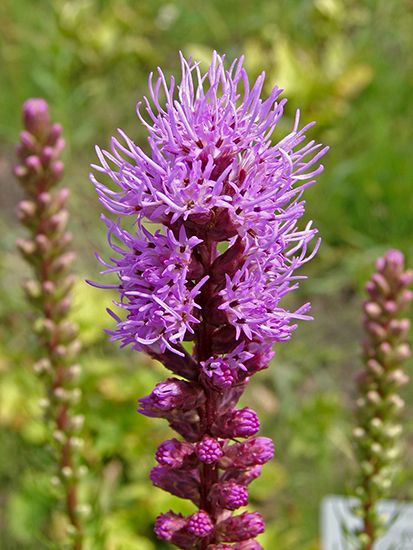
Liatris is a genus of approximately 40 species of perennial herbs belonging to the Asteraceae family, native to North America. These plants are characterized by tall, spikelike clusters of purple, pinkish-purple, or sometimes white flower heads, which are surrounded by scaly bracts. Their long, thin, grass-like leaves alternate along the stem and often feature resinous dots.12
Commonly known as gay feather, button snakeroot, or blazing star, these herbs are frequently cultivated in wildflower gardens or as border plants. Some species are noted for their aromatic, cormous roots and have historically been used in medicinal applications.12
What pollinators are attracted to Liatris?
How do perennial plants differ from annuals?
The primary difference between perennial and annual plants lies in the duration of their life cycles.
- Annuals: These plants complete their entire life cycle—from germination to seed production and death—within a single growing season. The only part of the plant that survives from one season to the next is the dormant seed.3
- Perennials: These plants persist for several years. While their aboveground portions may die back in autumn, they regrow and rebloom year after year, typically by relying on specialized underground structures like bulbs, corms, tubers, or rhizomes to survive the winter.45
While annuals include many common vegetables and cereal grains, perennials encompass all trees and shrubs, as well as various herbaceous flowering plants. Notably, some plants grown as annuals in gardens, such as tomatoes, are technically tender perennials that are simply harvested within a single season.53
What are some other plants in the Asteraceae family?
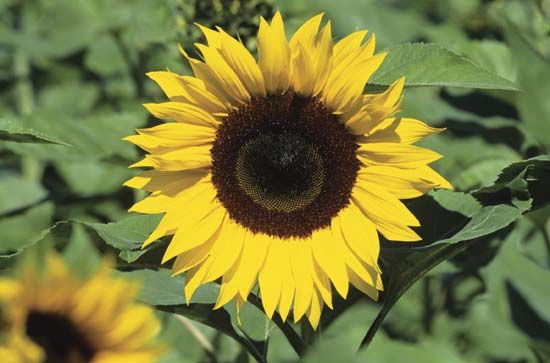
The Asteraceae family, also known as the aster, daisy, or composite family, is one of the largest families of angiosperms, containing over 1,620 genera and 25,000 species. These plants are distributed globally and are characterized by their composite flower heads and one-seeded achene fruits.67
Beyond the well-known aster and daisy, the family includes a diverse range of plants, such as:
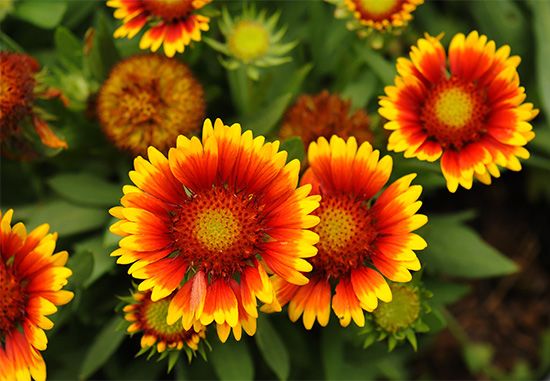
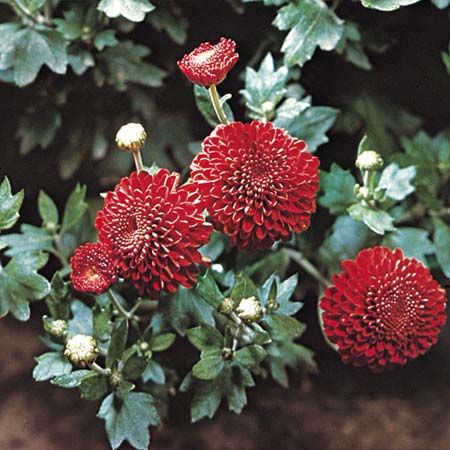
- Garden Ornamentals: Ageratum, blanketflower, chrysanthemum, cosmos, dahlia, marigold, and zinnia.78
- Food Crops: Artichoke, chicory, endive, lettuce, safflower, salsify, stevia, and sunflower.78
- Wildflowers and Herbs: Arnica, boneset, burdock, chamomile, coneflower, dandelion, goldenrod, ironweed, sagebrush, tarragon, wormwood, and yarrow.7
Some members, such as ragweed and various thistles, are also recognized as noxious weeds.8
Sources
- Liatris — Encyclopædia Britannica
- liatris — Merriam-Webster
- Is That Plant 'Perennial' or 'Annual'? — Merriam-Webster
- perennial — Encyclopædia Britannica
- annual — Encyclopædia Britannica
- Asteraceae — Encyclopædia Britannica
- list of plants in the family Asteraceae — Encyclopædia Britannica
- Asteraceae - Physical characteristics — Encyclopædia Britannica
- Asteraceae - Economic importance — Encyclopædia Britannica
- Asteraceae - Flowers — Encyclopædia Britannica
Published on · 2 min read