Arran
Arran is located off the Atlantic coast of western Scotland, situated at the mouth of the Firth of Clyde. It is the largest island within the North Ayrshire…
What is the geographical location of Arran and how big is the island?
Arran is located off the Atlantic coast of western Scotland, situated at the mouth of the Firth of Clyde. It is the largest island within the North Ayrshire council area and the historic county of Buteshire.1
Regarding its size, the island is approximately 20 miles (32 km) long with a mean breadth of 9 miles (14 km), covering a total area of 166 square miles (431 square km).1
What is the origin of the name ‘Arran’ and what does it mean?
Sorry, the Britannica knowledge base does not contain information regarding the etymological origin or the specific meaning of the name “Arran.”
What are some of the popular tourist attractions and activities on Arran?
Arran is a popular destination for visitors due to its diverse scenery, often referred to as “Scotland in miniature.” Its attractions and activities include:
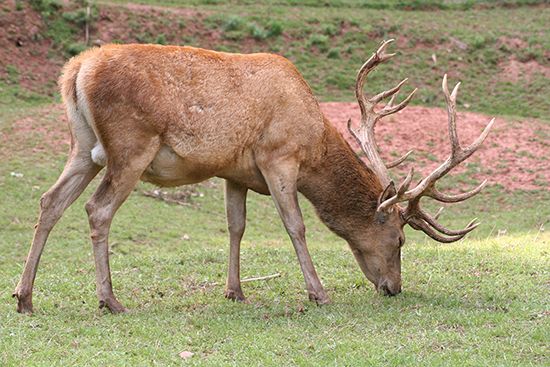
- Outdoor Exploration: The rugged northern landscape is dominated by Goat Fell, which stands at 2,868 feet (874 metres). The island’s glens, such as Glen Rosa, Glen Sannox, and Glen Monamore, are highly regarded for hill and rock climbing, as well as wildlife spotting, including red deer and grouse.1
- Historical Sites: Visitors can explore ancient standing stones in the pastoral south that date back to approximately 2000 BCE. Other notable sites include the King’s Caves on the west coast, which historically sheltered Robert the Bruce, and the cave of the 6th-century hermit St. Molaise on Holy Island.1
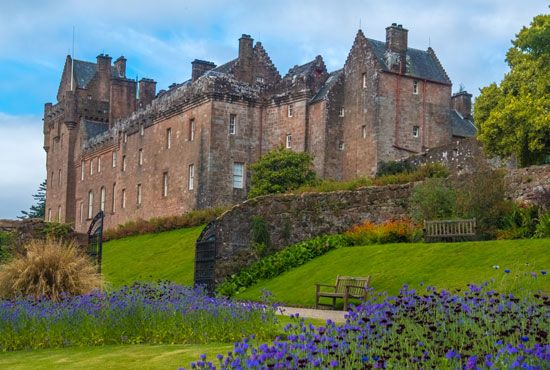
- Brodick: As the island’s unofficial capital, Brodick is a central hub for tourism, featuring a castle that was historically awarded to the Hamilton family.1
- Local Culture: Beyond sightseeing, visitors can engage with local industries, including tours and experiences related to whisky distilling and brewing.1
What is the historical significance of Arran in Scottish history?
Arran has played a significant role in Scotland’s history, serving as a strategic location shaped by both ancient inhabitants and medieval power struggles.
Early History and Norse Influence
The island contains evidence of early human activity, including standing stones in the south that date back to approximately 2000 BCE. In the medieval period, Arran was inhabited by Norse raiders for a considerable time. This Norse presence persisted until the mid-13th century, ending following the failed expedition of Haakon IV in 1263, which ultimately led to the consolidation of Scottish control over the western isles.15
Medieval Significance
Arran is famously linked to Robert the Bruce, who sought refuge in the King’s Caves on the island’s west coast during the early 14th century. By the early 16th century, the island’s political status was formalized when it was awarded by royal charter to Sir James Hamilton in 1503. His family’s influence became a defining feature of the island, with their castle dominating Brodick, which serves as the island’s unofficial capital.1
We could dive deeper into the broader impact of the Norse era on Scottish culture or explore the architectural history of Brodick Castle.
Sources
- Arran — Encyclopædia Britannica
- Arran — Merriam-Webster
- Inner Hebrides — Encyclopædia Britannica
- Scot — Encyclopædia Britannica
- Scotland - The Norse influence — Encyclopædia Britannica
Published on · 2 min read