Red Deer
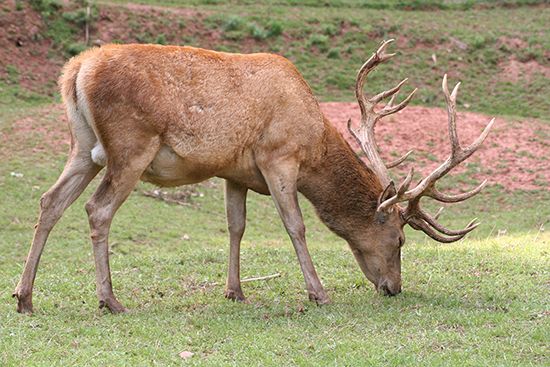
Red deer (Cervus elaphus) exhibit distinct social structures characterized by sexual segregation. Outside of the breeding season, males (harts) and females…
How do red deer behave socially, and what is their mating system like?
Red deer (Cervus elaphus) exhibit distinct social structures characterized by sexual segregation. Outside of the breeding season, males (harts) and females (hinds) typically live in separate herds.12
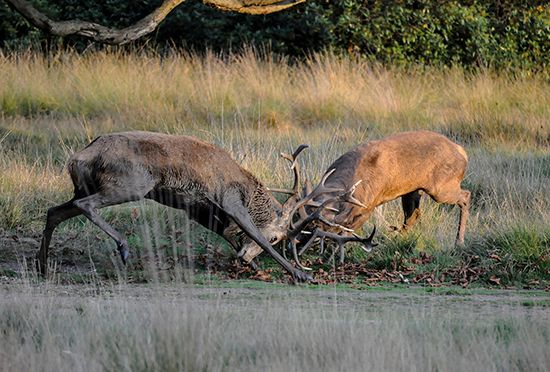
Regarding their mating system, red deer are polygynous. During the rutting or breeding season, these social boundaries shift as stags compete for access to females. A dominant stag will defend a harem of hinds against other males. These competitive interactions often involve stylized fighting, where males use their antlers to interlock and “wrestle” each other, a behavior that minimizes the risk of lethal injury compared to more aggressive forms of combat found in other species. Antlers serve as both weapons for these contests and as display organs to signal health and genetic fitness to potential mates.1234
What role do red deer play in their ecosystem, and how do they interact with other species?
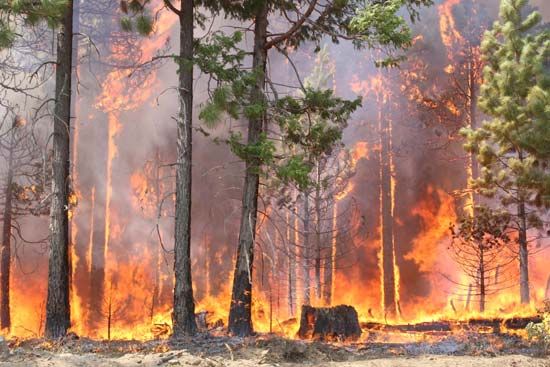
Red deer (Cervus elaphus) are specialized herbivores that play a significant role in their ecology by acting as colonizers of disturbed habitats. Because they require high-quality, nutrient-rich food—such as young grasses, herbs, buds, and woody shoots—to support the energy-intensive growth of their antlers, they thrive in areas undergoing ecological succession, such as sites affected by forest fires, flooding, or other natural disturbances.4
Their interactions with other species are primarily shaped by their dietary needs and antipredator strategies. By selectively feeding on specific high-protein plants, they influence vegetation structure in their environment. Furthermore, red deer minimize competition with other herbivores by utilizing specific habitats; for instance, their preference for forested or thicket-covered areas allows them to avoid species that rely on open, unobstructed terrain for running. In some regions, their populations have been impacted by interbreeding with nonnative subspecies, which has led to declines in certain native groups.41
What is the diet of red deer, and how does it change seasonally?
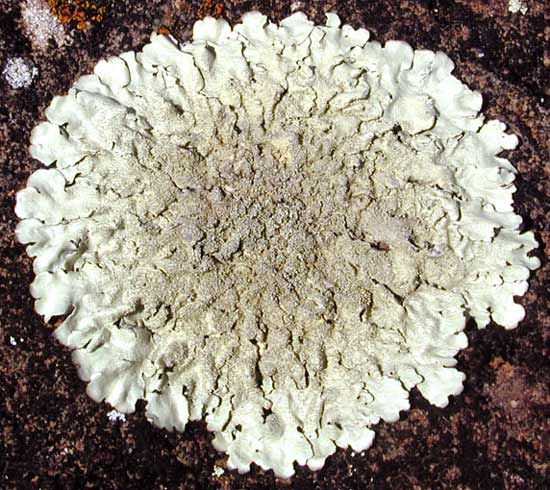
Red deer (Cervus elaphus) are specialized, highly selective herbivores with catholic feeding habits, meaning they consume a wide variety of plant matter depending on their environment. Their diet is primarily composed of high-quality, nutrient-rich vegetation, including lichens, berries, fungi, and the leaves of most deciduous trees when in wooded areas. In open country, they supplement this with grass, heather, and additional lichens.4
Their diet shifts seasonally to accommodate changing resource availability and their physiological needs. While they consume a broad range of plants throughout the year, they tend to rely more heavily on shrubs and trees during the winter months. This selective feeding is driven by the significant energy, protein, and mineral requirements necessary for antler growth, which is an annual, energy-intensive process. Because of these high nutritional demands, red deer are confined to productive habitats and are often found in areas undergoing ecological succession, where nutrient-rich, early-growth vegetation is abundant.4657
Where are red deer typically found in the wild, and what is their preferred habitat?
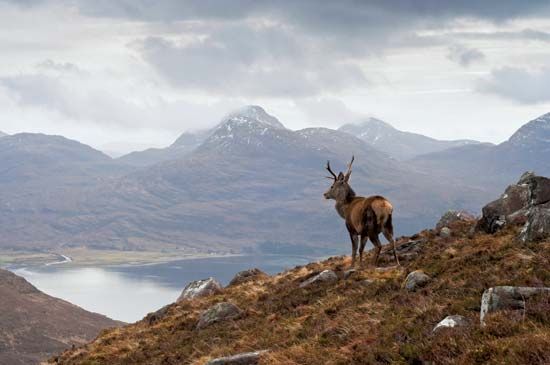
Red deer (Cervus elaphus) have a vast natural range, spanning across North America, Europe, Asia, and northwestern Africa, and they have also been introduced to New Zealand.1
Regarding their preferred habitat, red deer are primarily found in woodlands. Because they are highly selective feeders with significant nutritional requirements—driven largely by the energy-intensive process of growing antlers—they are generally confined to productive environments. They are particularly well-adapted to colonizing disturbed ecosystems, such as areas affected by forest fires, flooding, or other natural events that trigger the growth of nutrient-rich, early-succession vegetation. Their ecological requirements exclude them from nutrient-poor landscapes like deserts or dry grasslands.6
Sources
- red deer — Encyclopædia Britannica
- artiodactyl - Social behaviour — Encyclopædia Britannica
- roe deer — Encyclopædia Britannica
- deer - Morphology and behaviour — Encyclopædia Britannica
- Why do deer shed their antlers? — Encyclopædia Britannica
- artiodactyl - Food habits — Encyclopædia Britannica
- deer: Top Questions — Encyclopædia Britannica
- artiodactyl - Areas of distribution — Encyclopædia Britannica
Published on · 3 min read