Ashmore and Cartier Islands
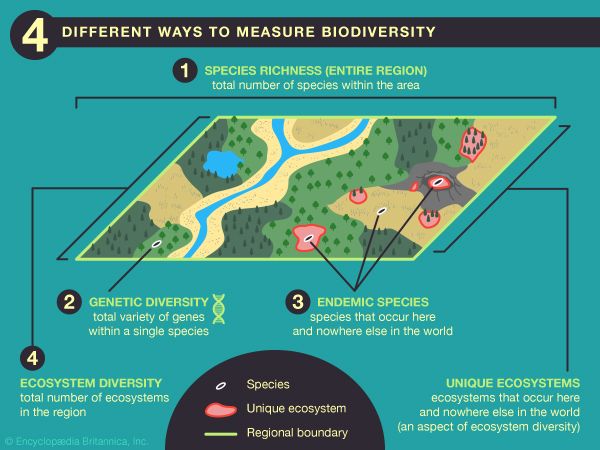
The available information does not provide specific details regarding the unique flora and fauna found on the Ashmore and Cartier Islands. While the…
What unique flora and fauna can be found on the Ashmore and Cartier Islands?
The available information does not provide specific details regarding the unique flora and fauna found on the Ashmore and Cartier Islands. While the historical record notes that the islands’ bird and plant life were once subject to concerns regarding overharvesting, and that agreements have been established to protect the biodiversity of the region, the specific species present are not listed in the provided data.1
The islands are protected under the Ashmore Reef National Nature Reserve and the Cartier Island Marine Reserve, which were established to preserve the natural environment.1
What is the history of human discovery and settlement on these islands?
The Ashmore and Cartier Islands have a history defined by maritime exploration and resource exploitation rather than permanent human settlement.
Early Exploration and Claims
Indonesian fishers began visiting the islands around 1700. European discovery followed in the 19th century: British captain Nash reached Cartier Island in 1800, and Captain Samuel Ashmore discovered Ashmore Reef in 1811. During the 1850s, American whaling ships frequented the area. Both Great Britain and the United States asserted claims, with Britain formally annexing Ashmore in 1878 and Cartier in 1909.1
Exploitation and Administration
In the late 19th century, West Island was mined for phosphate, which severely damaged its topsoil. Britain transferred the territory to Australia in 1933. Administratively, the islands were linked to the Northern Territory from 1938 until 1978, when control shifted to the Australian national government.1
Modern Status
The islands remain uninhabited, save for seasonal caretakers and an automatic weather station. Today, the territory is managed for biodiversity conservation through the Ashmore Reef and Cartier Island marine reserves.1
How are the Ashmore and Cartier Islands governed, and by which country?
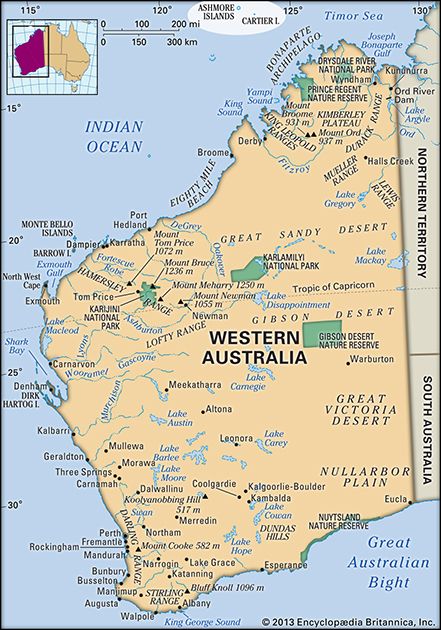
The Ashmore and Cartier Islands are an external territory of Australia located in the Indian Ocean.13
Governance and Administration
The territory is governed by the Australian national government. While the islands were administratively linked to the Northern Territory from 1938 until 1978, administration was subsequently transferred to the federal level. Currently, the Commonwealth Attorney-General’s Department provides administrative services for the group.13
Management and Oversight
Because the islands are uninhabited—save for seasonal caretakers and an automatic weather station—the government focuses on environmental and economic management rather than local governance:1
- Conservation: The territory is managed for biodiversity through the Ashmore Reef National Nature Reserve and the Cartier Island Marine Reserve.1
- Economic Interests: The Australian government administers the extraction of petroleum from undersea oil fields adjacent to the territory and oversees fishing rights, which extend 200 nautical miles into the surrounding waters.13
How do the Ashmore and Cartier Islands compare to other small island territories in the Indian Ocean?
The Ashmore and Cartier Islands occupy a distinct position among Australian External Territories and other small island groups in the Indian Ocean. Their status is defined by several key characteristics:
- Lack of Permanent Population: Unlike other Australian external territories such as Christmas Island, the Cocos (Keeling) Islands, and Norfolk Island, which support permanent communities, the Ashmore and Cartier Islands are uninhabited, hosting only seasonal caretakers and an automatic weather station.14
- Geological Composition: While many oceanic outposts in the region are the tips of submerged volcanic mountain ranges, the Ashmore and Cartier group consists primarily of coral islets, reefs, and sand cays.14
- Administrative Focus: Because they lack a permanent population, the islands are managed primarily for biodiversity conservation and resource oversight rather than local governance. This contrasts with inhabited territories that require appointed administrators to assist with local government functions.14
- Economic and Legal Framework: Like other external territories, the islands provide Australia with significant economic interests through fishing rights extending 200 nautical miles into surrounding waters and the administration of adjacent undersea petroleum fields.14
Sources
- Ashmore and Cartier Islands — Encyclopædia Britannica
- list of islands - Australia — Encyclopædia Britannica
- Australian External Territories — Encyclopædia Britannica
- list of islands - Indonesia — Encyclopædia Britannica
Published on · 3 min read