Atmospheric Brown Cloud
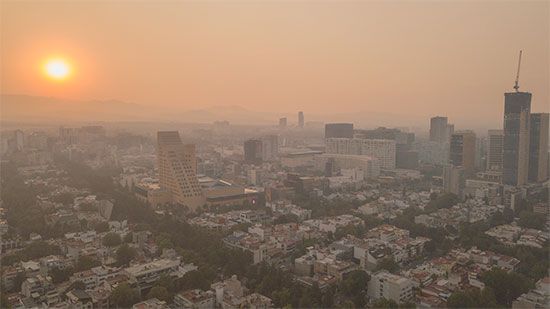
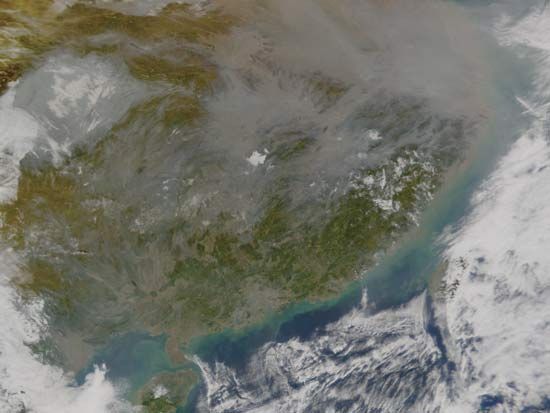
Atmospheric brown clouds are layers of air pollution containing aerosols that significantly alter regional and global climates. By absorbing and scattering…
What are the long-term environmental consequences of persistent atmospheric brown clouds?
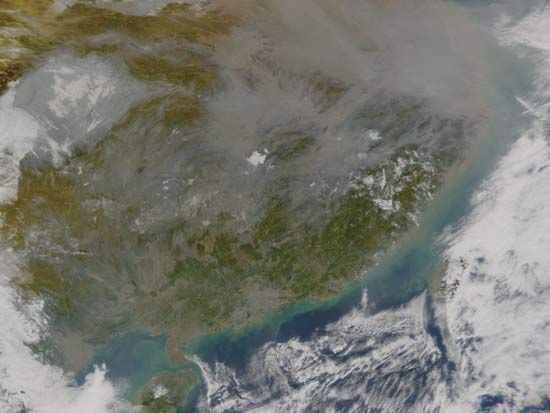
Atmospheric brown clouds are layers of air pollution containing aerosols that significantly alter regional and global climates. By absorbing and scattering solar radiation, these clouds cause “dimming” at the Earth’s surface, which leads to several long-term environmental consequences:12
- Hydrological Disruption: Reduced surface temperatures slow evaporation, decreasing atmospheric water content. This has been linked to significant declines in summer monsoon rainfall in India and a southward shift of monsoon patterns in eastern China, disrupting regional hydrological cycles.12
- Agricultural Impact: Changes in precipitation and climate directly threaten food security. For example, pollution-related effects have been estimated to significantly reduce crop yields, such as rice production in India.12
- Health Risks: The particulate matter and ozone within these clouds pose severe risks to human health, contributing to cardiovascular disease, chronic respiratory issues, and increased mortality rates.12
What measures can be taken to reduce the formation and impact of atmospheric brown clouds?
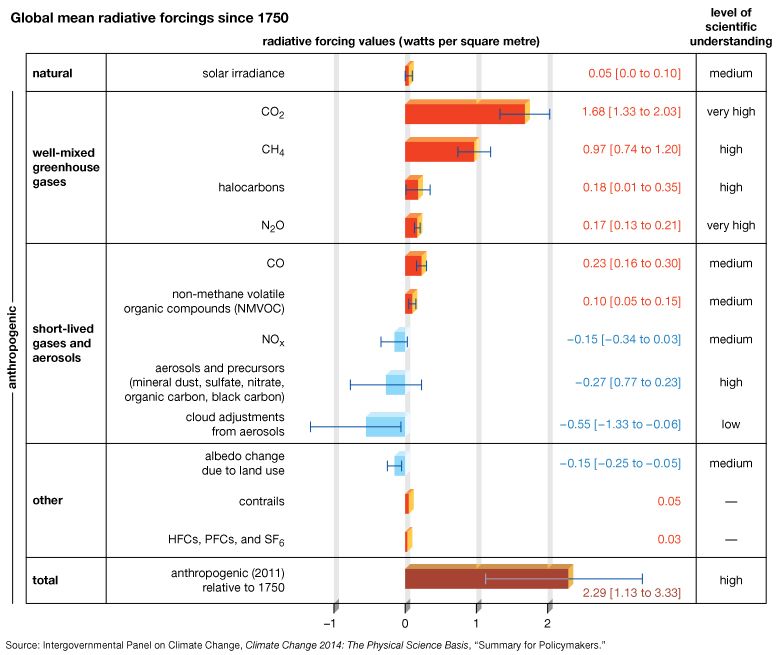
Reducing the formation and impact of atmospheric brown clouds requires a multifaceted approach focused on curbing the combustion of fossil fuels and biomass, which are the primary sources of the aerosols involved.1
Emission Reduction Strategies
The most effective way to protect air quality is to transition to cleaner fuels and industrial processes. For stationary sources like power plants and manufacturing facilities, several technologies can capture pollutants before they enter the atmosphere:34
- Cyclones: Often used to control industrial dust emissions and as pre-cleaners.53
- Wet Scrubbers: Effective for handling hot airstreams or sticky particles, particularly in chemical processing and hazardous waste incineration.53
- Electrostatic Precipitators and Baghouse Filters: Commonly employed at power plants to collect fine particulates.53
For mobile sources, such as motor vehicles, emission control systems like catalytic converters are essential for converting harmful gases into less toxic substances.3
Policy and Market Mechanisms
International cooperation is vital for addressing these regional and global phenomena. Policy frameworks, such as emissions trading (cap-and-trade), allow authorities to set limits on total emissions while providing economic incentives for polluters to invest in cleaner technologies. Additionally, global agreements and national regulations, such as the Clean Air Act, provide the legal structure necessary to monitor and lower permissible levels of particulate matter.165
How do atmospheric brown clouds affect agriculture and crop yields?
Atmospheric brown clouds significantly impact agriculture and crop yields through two primary mechanisms: the alteration of regional climates and the direct toxicity of pollutants.
Climatic Impacts
These clouds contain aerosols that scatter and absorb solar radiation, leading to a phenomenon known as “dimming” at the Earth’s surface. This reduction in solar radiation lowers surface temperatures, which slows the rate of evaporation and reduces atmospheric water content. Consequently, these clouds have been linked to significant disruptions in regional monsoon patterns, such as decreased summer rainfall in India and a southward shift of monsoon precipitation in eastern China. Such changes in the hydrological cycle directly threaten agricultural production; for instance, studies have estimated that air pollution related to the Asian brown cloud reduced Indian rice output by 6.2 million metric tons between 1985 and 1998.12
Direct Pollutant Toxicity
Beyond climatic shifts, brown clouds contain hazardous pollutants like ozone, which is a major threat to plant health. Ozone toxicity causes visible damage to foliage, including stippling, streaks, and premature yellowing, which can significantly reduce crop yields across various field crops, fruits, and vegetables.17
What is an atmospheric brown cloud and how does it form?
An atmospheric brown cloud is a widespread, regional layer of air pollution consisting of aerosols that extends from the Earth’s surface to an altitude of approximately 3 km (1.8 miles). Unlike localized urban brown clouds, these are large-scale phenomena that absorb and scatter solar radiation, leading to significant climatic effects and health risks.1
These clouds form primarily due to the combustion of fossil fuels and biomass, which release particles such as black carbon, fly ash, soil dust, and nitrogen dioxide. The characteristic brown color arises from the way these particles absorb and scatter light.1
The formation is particularly prevalent in tropical regions, where elevated pollutant emissions combine with lengthy dry seasons that prevent the aerosols from being removed by precipitation. These aerosols cause “dimming” at the Earth’s surface by reducing the amount of solar radiation that reaches it, which can disrupt regional monsoon patterns and the hydrological cycle.1
Sources
- Atmospheric brown cloud — Encyclopædia Britannica
- Asian brown cloud — Encyclopædia Britannica
- particulate matter — Encyclopædia Britannica
- air pollution - Air pollution prevention and control — Encyclopædia Britannica
- air pollution control — Encyclopædia Britannica
- environmental policy - Global policy agreements — Encyclopædia Britannica
- Agricultural technology - Products of combustion — Encyclopædia Britannica
Published on · 4 min read