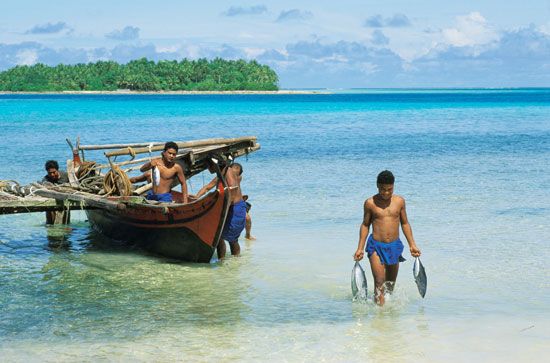
Babelthuap
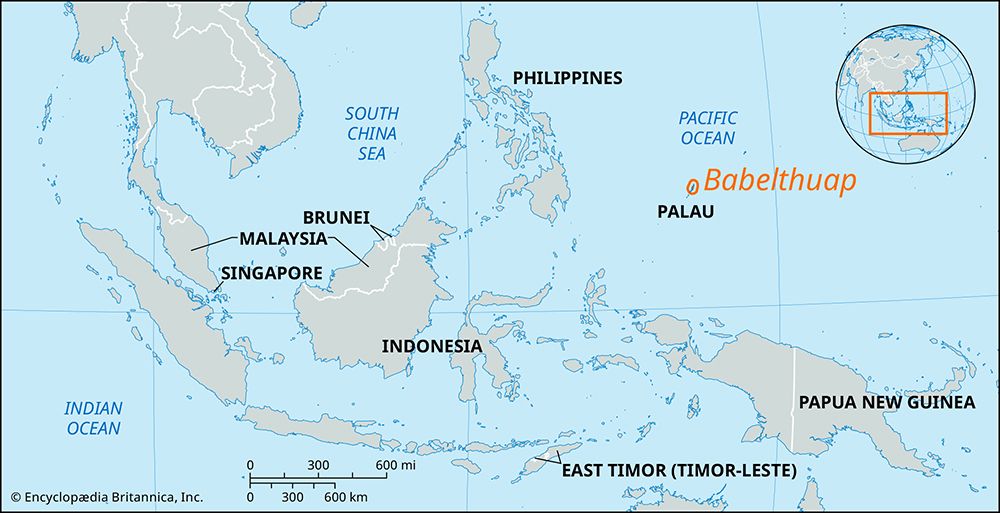
Babelthuap, also known as Babeldaob, is the largest island in the country of Palau and the Caroline Islands. It covers an area of 143 square miles (370…
What is the geographical size and population of Babelthuap?
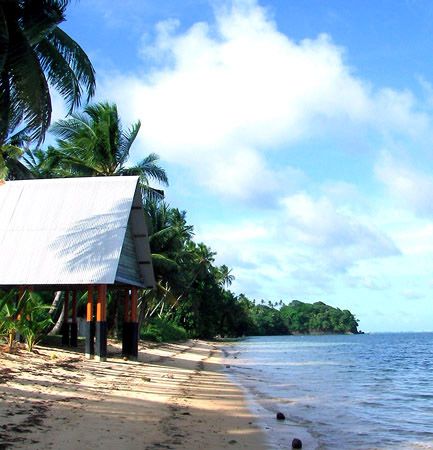
Babelthuap, also known as Babeldaob, is the largest island in the country of Palau and the Caroline Islands. It covers an area of 143 square miles (370 square km) and measures approximately 27 miles by 8 miles (43 km by 13 km).12
Regarding your inquiry about the island’s population, the provided search results do not contain specific data regarding the current number of inhabitants on Babelthuap. While the island serves as the location for the national capital, Melekeok, and is identified as a major populated island within the archipelago, precise demographic figures are not available in the current knowledge base.13
What are some of the most significant archaeological sites on Babelthuap?
Babelthuap is home to significant archaeological evidence of a vital culture that existed prior to European contact. While specific site names are not detailed in the available records, the island is characterized by several notable types of ancient remains:1
- Large Hillside Terraces: Extensive earthworks that suggest complex land management and social organization in the island’s pre-colonial history.1
- Stone Ruins: Various structural remnants that provide insight into the architectural practices of early Palauan society.41
- Megaliths: Ancient stone monuments and sculptures that serve as markers of a sophisticated and distinct cultural heritage.41
In addition to these pre-contact archaeological features, the island also contains remnants from the 20th century, specifically decaying structures and artifacts left behind during the Japanese occupation of the island during World War II.4
How does Babelthuap’s culture and history relate to the broader context of Palau?
Babelthuap serves as the geographical and political anchor of Palau. As the country’s largest island, it has been central to the archipelago’s history, from its ancient origins to its modern status as a sovereign nation.
Cultural and Historical Significance
The island provides critical evidence of a vital pre-colonial culture, characterized by extensive hillside terraces, stone ruins, and megaliths that predate European contact. This heritage highlights a complex society that existed long before the arrival of Western explorers in the 18th century. Following this, the island experienced the impacts of various colonial powers, including Spain, Germany, and Japan, the latter of which left behind remnants of its occupation during World War II.13
Modern Role in Palau
Babelthuap’s importance to the nation has grown significantly in recent decades:
- Political Center: In 2006, the national capital was moved from Koror to Melekeok, located on the eastern side of Babelthuap.14
- Infrastructure: The island hosts the Palau International Airport and is connected to the rest of the country via a suspension bridge, which replaced a previous structure that collapsed in 1996, causing major national disruption.13
- Development: Under the Compact of Free Association with the United States, the island has seen infrastructure improvements, such as the construction of a 53-mile interior road.13
What is the indigenous name for Babelthuap and what does it mean?
The indigenous name for the island is Babeldaob. While “Babelthuap” is a common variation, the term “Babeldaob” is the standard Palauan name for the island.3
The provided search results do not contain information regarding the specific etymological meaning of the name.
Sources
- Babelthuap — Encyclopædia Britannica
- Palau — Encyclopædia Britannica
- Babelthuap — Merriam-Webster
- Palau - History — Encyclopædia Britannica
- Palau - Cultural life — Encyclopædia Britannica
- Melekeok — Merriam-Webster
- Palau: Country Facts — Encyclopædia Britannica
Published on · 2 min read