Chesterfield Islands
The Chesterfield Islands are a group of coral islands located in the southwestern Pacific Ocean and are part of the French overseas territory of New…
What is Chesterfield Islands?
The Chesterfield Islands are a group of coral islands located in the southwestern Pacific Ocean and are part of the French overseas territory of New Caledonia.1
The archipelago consists of 11 small, well-wooded islets, with none exceeding 1.5 miles (2.5 km) in length. Key islands in the group include Long, Bampton, Reynard, Loop, and Avon islands, along with the Three Islands of Mouillage. While the islands historically contained rich guano deposits, these have not been commercially exploited since 1921, and the group currently has no permanent inhabitants.1
What are coral islands and how do they form?
A coral island is a tropical landmass composed of organic material derived from the skeletons of corals and associated marine life. These islands are typically low-lying, often rising only a few meters above sea level, and are geologically integrated into a living or recent coral reef system.2
There are two primary ways these islands form:
- Uplift: Crustal movements can raise a reef system above sea level. These islands are often rocky, featuring cliffs and surfaces sculpted by weathering. While common in the geological past, they are rare today because current sea levels are at a relative high.2
- Accretion: This is the most common modern process. Storms and waves break off pieces of reef rock, which mix with finer detritus to form shoals. Over time, wind and currents heap this material into dunes. Rainwater dissolves the calcium carbonate in the debris, which then redeposits and cements the loose material into solid land, eventually supporting plant and animal life.2
What is guano and why was it historically valuable?
Guano refers to the accumulated excrement and remains of birds, bats, and seals. It has been historically valued as a potent fertilizer due to its high nutrient content, particularly bird guano, which contains approximately 11 to 16 percent nitrogen, 8 to 12 percent phosphoric acid, and 2 to 3 percent potash.4
The exploitation of these deposits reached its peak in the mid-19th century, as the substance provided a critical resource for agriculture. Bird guano is primarily sourced from coastal islands—such as those off Peru and Africa—populated by large colonies of cormorants, pelicans, and gannets. While bat and seal guano are also collected, they generally possess lower fertilizer value than bird guano. Today, the industry continues to rely on current production from these bird populations, though the harvest has been impacted by competition for the fish stocks that sustain the birds.54
What kind of wildlife lives on isolated Pacific islets?
Isolated Pacific islets often host unique ecosystems characterized by high levels of endemism, though they typically feature limited terrestrial biodiversity due to their geographic isolation.78
Wildlife Characteristics
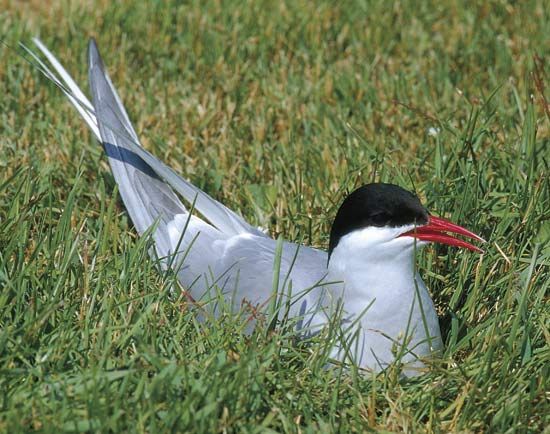
- Seabirds: These islets serve as critical breeding grounds for millions of seabirds, including terns, shearwaters, frigate birds, and petrels. These populations are often abundant because they face fewer competitors than their mainland counterparts.4910
- Marine Life: The surrounding lagoons and reefs are home to a diverse array of marine species, including green sea turtles and numerous varieties of fish.47
- Terrestrial Fauna: Indigenous land mammals are generally absent on many of these islands. However, many species—such as rats, pigs, goats, and cats—have been introduced by humans, often with devastating consequences for native bird populations that lack natural defenses against these predators.7910
- Flora: Plant life varies by soil type; atolls often support xerophilous (desert-type) plants, while high volcanic islands may host ferns and rainforests.7
Because these species often exist in small, isolated ranges, they are particularly vulnerable to extinction from habitat loss or invasive species.98
Sources
- Chesterfield Islands — Encyclopædia Britannica
- coral island — Encyclopædia Britannica
- coral reef - Origin and development of reefs — Encyclopædia Britannica
- guano — Encyclopædia Britannica
- Pelecaniform - Importance to humans — Encyclopædia Britannica
- guano — Merriam-Webster
- Seychelles - Plant and animal life — Encyclopædia Britannica
- Macquarie Island — Encyclopædia Britannica
- French Polynesia - Plant and animal life — Encyclopædia Britannica
- biogeographic region - Polynesian subkingdom — Encyclopædia Britannica
- conservation - Insularity — Encyclopædia Britannica
- Procellariiform - Importance to humans — Encyclopædia Britannica
- conservation - Endemism and rarity — Encyclopædia Britannica
Published on · 3 min read