Chatham Islands
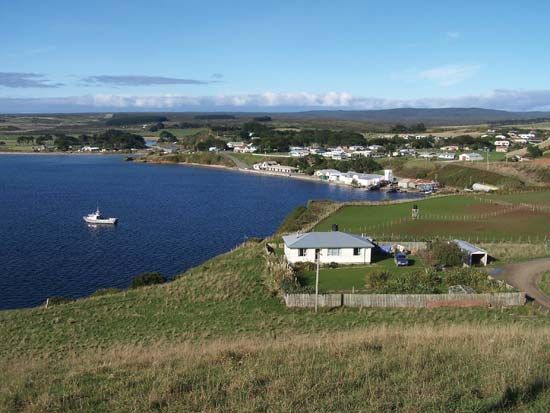
The Chatham Islands are an island group situated in the South Pacific Ocean, located approximately 500 miles (800 km) east of New Zealand.
Where are the Chatham Islands located, and what is their geographical significance?
The Chatham Islands are an island group situated in the South Pacific Ocean, located approximately 500 miles (800 km) east of New Zealand.1
The archipelago consists of 10 islands, primarily of volcanic origin. Their geographical significance is highlighted by the presence of limestone deposits, which suggest that these islands may have once been connected to the New Zealand landmass. The largest island, Chatham Island, is characterized by a landscape where more than 20 percent of its surface is covered by shallow lagoons, and the overall terrain includes significant areas of swamp, heath, and dune. Additionally, the islands feature unique geological formations, such as the rock pinnacle known as Tarakoikoia, which rises abruptly to 566 feet.1
What is the history of human settlement on the Chatham Islands?
The Chatham Islands were first settled in the early 16th century by the Moriori, a Polynesian people who migrated from New Zealand. Moriori tradition describes an earlier, mythical population known as the Hamata, who were considered the original lawgivers of the islands.2
The Moriori developed a distinct culture, subsisting on resources such as fern root, eels, fish, karaka berries, and birds, including albatrosses harvested from remote rocky outcrops. By the late 18th century, the population was estimated at nearly 2,000 people.2
European contact began in 1791 when William R. Broughton discovered the islands, leading to the establishment of sealing and whaling stations. A pivotal shift occurred in 1835 when a party of Maori invaded the islands, conquering and enslaving the Moriori population. Following their annexation by New Zealand in 1842, the islands saw a demographic shift toward a predominantly European and Maori populace. Although the last person of strictly Moriori descent died in 1933, the late 20th century saw a cultural renaissance among their descendants.12
What are the main economic activities and industries on the Chatham Islands?
The economy of the Chatham Islands is primarily driven by agriculture and the exploitation of local marine resources.
Key economic activities include:
- Agriculture: The export of wool and breeding stock serves as the foundation of the islands’ economy, an industry that began following the introduction of sheep in 1865.1
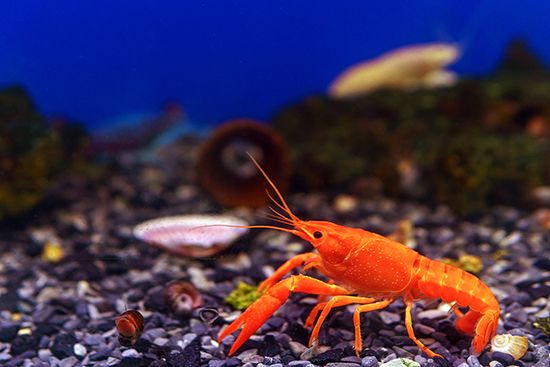
- Fishing: The local waters provide significant income through the harvesting of blue cod and crayfish.1
- Potential Resources: The islands contain approximately 10,000 acres of moorland peat, which have been evaluated for potential commercial applications.1
Historically, the islands also supported sealing and whaling industries, though these activities have long since ceased. Please note that information regarding tourism or service-based economies in other island nations, such as Cabo Verde, is not applicable to the Chatham Islands.13
What is the climate like on the Chatham Islands, and how does it affect daily life?
The Chatham Islands experience a cool and humid climate. While the provided information confirms these general atmospheric conditions, it does not detail specific seasonal variations or the direct ways in which this climate influences the daily routines of the local population.1
Because the available data is limited to the general climate description, I cannot provide a comprehensive account of how these conditions affect the daily lives of the residents.
Sources
- Chatham Islands — Encyclopædia Britannica
- Moriori — Encyclopædia Britannica
- Cabo Verde - Services — Encyclopædia Britannica
Published on · 2 min read