Oil Palm
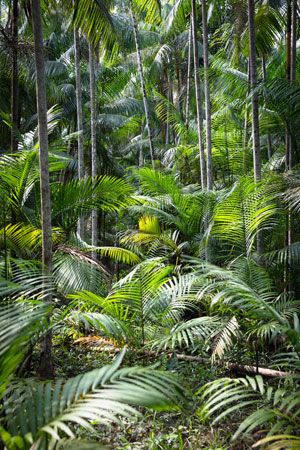
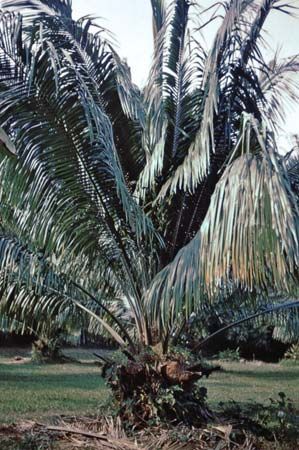
The oil palm (Elaeis guineensis) is an African tree belonging to the palm family (Arecaceae). It is primarily cultivated for its fruit, which yields palm…
What is the oil palm tree and where is it primarily grown?
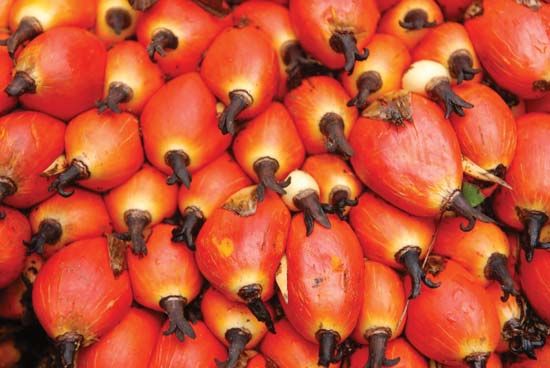
The oil palm (Elaeis guineensis) is an African tree belonging to the palm family (Arecaceae). It is primarily cultivated for its fruit, which yields palm oil, and its seeds, which provide palm kernel oil. These oils are essential ingredients in a wide range of products, including soaps, cosmetics, biofuels, and various edible goods like margarine and ice cream.12
The tree is grown extensively in its native regions of West and Central Africa, as well as in Malaysia and Indonesia.12
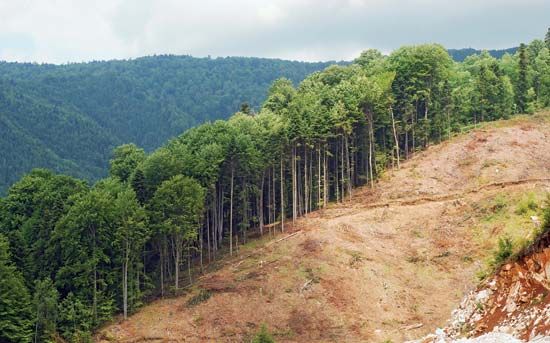
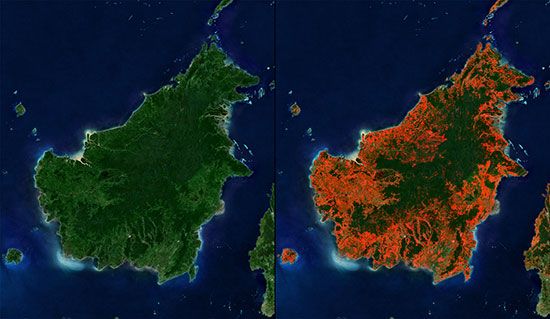
It is important to note that the rapid expansion of the commercial oil palm industry has led to significant deforestation and biodiversity loss. The use of slash-and-burn agricultural methods to create plantations destroys critical habitats, threatening species such as the orangutan and contributing to poor air quality in Southeast Asia.12
How does the oil palm tree contribute to the economies of countries where it is grown?
The oil palm tree serves as a cornerstone of the agricultural economies in countries like Malaysia and Indonesia, functioning as a dominant cash crop that drives significant export activity.34
In Malaysia, palm oil plantations have proliferated since the 1970s, helping the nation establish itself as one of the world’s top producers of the commodity. Similarly, in Indonesia, the palm oil industry has become a vital component of the national economy, with large-scale agribusinesses and private enterprises working alongside the government to expand production and investment.34
While these industries provide substantial economic value, their growth has often come at the expense of other traditional crops, such as rubber, and has raised serious concerns regarding deforestation and environmental degradation. The clearing of land for these plantations, sometimes involving “slash-and-burn” methods, has led to habitat destruction and regional air quality issues, prompting ongoing debates about the sustainability of such intensive agricultural development.34
What are the different types of oil that can be extracted from the oil palm tree?
Two primary types of oil are extracted from the African oil palm (Elaeis guineensis), each derived from a different part of the fruit and possessing distinct chemical properties and uses:51
- Palm oil: This oil is obtained from the outer fleshy portion (mesocarp) of the fruit. During commercial processing, the fruit is steamed to destroy lipolytic enzymes and then pressed. The resulting oil is highly colored due to the presence of carotenes. It is widely used in the production of soaps, cosmetics, candles, biofuels, lubricating greases, and in the processing of tinplate and iron plates.51
- Palm kernel oil: This oil is extracted from the seed (kernel) of the fruit, typically using mechanical screw presses. It is chemically distinct from palm oil and resembles coconut oil more closely. It is primarily used in the manufacturing of edible products such as margarine, ice cream, chocolate confections, cookies, and bread, as well as in various pharmaceuticals.251
How long does it take for an oil palm tree to start producing fruit?
Sorry, the Britannica knowledge base does not contain this information.
Sources
- Oil palm — Encyclopædia Britannica
- Palm - Economic importance — Encyclopædia Britannica
- Malaysia - Agriculture, forestry, and fishing — Encyclopædia Britannica
- Indonesia - Agriculture, forestry, and fishing — Encyclopædia Britannica
- palm-kernel oil — Merriam-Webster
- Babassu palm — Encyclopædia Britannica
- palm kernel — Merriam-Webster
- fat and oil processing - Hydrogenation reactions — Encyclopædia Britannica
- oil palm — Merriam-Webster
Published on · 2 min read