Banks Peninsula
The provided search results do not contain detailed information regarding the comprehensive history or cultural significance of the Maori people in relation…
What is the Maori history and significance of Banks Peninsula?
The provided search results do not contain detailed information regarding the comprehensive history or cultural significance of the Maori people in relation to the Banks Peninsula.
The available records note that the town of Akaroa—located on the peninsula—derives its name from the Maori language, meaning “long harbour.” Additionally, historical accounts indicate that in 1838, a French whaler negotiated with local Maori chiefs to purchase 30,000 acres of the peninsula before the British declared sovereignty over the South Island South Island.2
Beyond these specific interactions during the 19th-century colonial period, the Britannica knowledge base does not currently provide further information on the broader Maori history or their traditional significance regarding this region.
What are the main towns and settlements on Banks Peninsula?
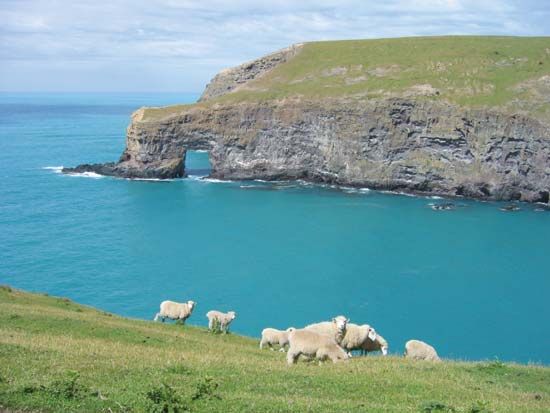
The main settlements on the Banks Peninsula are centered around its natural harbours, which were historically utilized by whalers and sealers.1
- Akaroa: Located on the shore of French Bay within Akaroa Harbour, this community is a significant fishing port and summer resort. It was the site of a planned French settlement in 1840, though it later came under British sovereignty and was eventually sold to the New Zealand government.12
- Lyttelton: Situated on a harbour formed by a breached volcanic crater, this town has long served as a key maritime gateway for the region.1
While Christchurch—the largest city on the South Island—is located just northwest of the peninsula, it is considered part of the broader Canterbury region rather than a settlement on the peninsula itself.13
What are the main agricultural and economic activities on Banks Peninsula?
The economy of the Banks Peninsula is primarily driven by agricultural production. Following the clearing of the region’s original forests in the late 19th century, the land was repurposed to support several key rural industries.1
The main agricultural activities include:
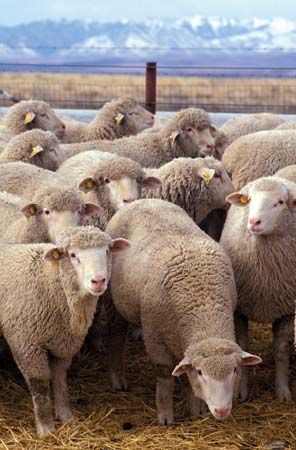
- Sheep farming: A traditional and significant component of the local economy.1
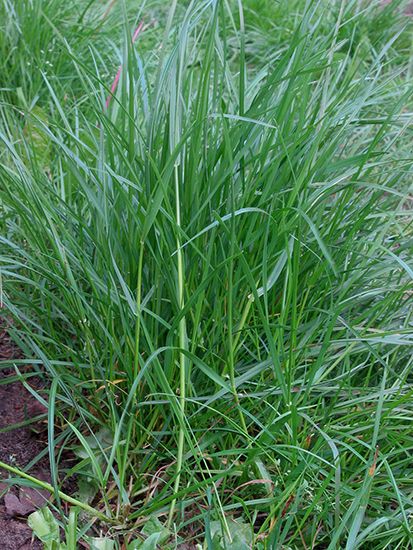
- Grass seed production: An important specialized crop for the region.1
- Garden products: The cultivation of various horticultural goods contributes to the peninsula’s economic output.1
While the region’s harbours, such as Lyttelton and Akaroa, were historically vital for whaling and sealing, modern economic activity is now dominated by these agricultural pursuits.1
What role did Banks Peninsula play in early European exploration and settlement of New Zealand?
Banks Peninsula played a notable role in the early European exploration and settlement of New Zealand. Captain James Cook visited the area in 1770, naming it after Sir Joseph Banks, and it was later surveyed by John Stokes in 1850.1
During the early 19th century, the peninsula’s harbours—specifically Lyttelton and Akaroa—became vital hubs for whalers and sealers. Akaroa, in particular, was the site of a planned French settlement; in 1838, Captain Jean Langlois negotiated with local Maori chiefs to purchase land there. When a French settlement force arrived in 1840, they discovered that the British had already declared sovereignty over the South Island. An agreement allowed the French to establish their colony, which was eventually sold to the New Zealand government in 1849.125
Meanwhile, Lyttelton served as the chief settlement for the Canterbury region for a time, as the development of nearby Christchurch faced initial shortages of materials and funding.2
Sources
- Banks Peninsula — Encyclopædia Britannica
- Akaroa — Encyclopædia Britannica
- Canterbury — Encyclopædia Britannica
- Panama - Services — Encyclopædia Britannica
- Lyttelton — Encyclopædia Britannica
- history of New Zealand - Annexation and further settlement of New Zealand — Encyclopædia Britannica
- New Zealand - Annexation and further settlement — Encyclopædia Britannica
Published on · 2 min read