Forest
Forest stratification refers to the vertical arrangement of plant life within a forest, typically organized into distinct layers such as the herb, shrub…
What is forest stratification and why is it important?
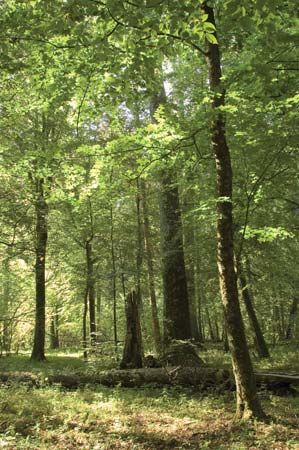
Forest stratification refers to the vertical arrangement of plant life within a forest, typically organized into distinct layers such as the herb, shrub, small tree, and canopy tree layers. This structure develops as species adapt to their specific habitats, primarily driven by gradients in environmental factors like light availability; taller plants intercept more sunlight, creating varying conditions for the strata below.1
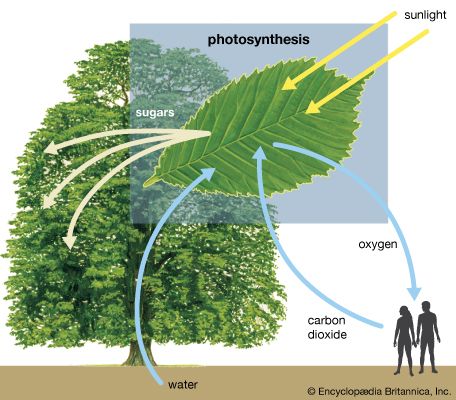
This stratification is essential for maintaining biodiversity within ecosystems. It provides specialized niches that influence animal behavior, as many species adapt to specific layers for foraging, breeding, and shelter. Furthermore, the density of tree cover—a key component of stratification—regulates the amount of sunlight and rainfall reaching the forest floor, which in turn shapes the distribution of flora and fauna. By creating complex, multi-layered environments, forests maximize the efficiency of biological processes like photosynthesis and nutrient cycling processes like photosynthesis and nutrient cycling.123
What are some of the most common types of forest ecosystems found around the world?
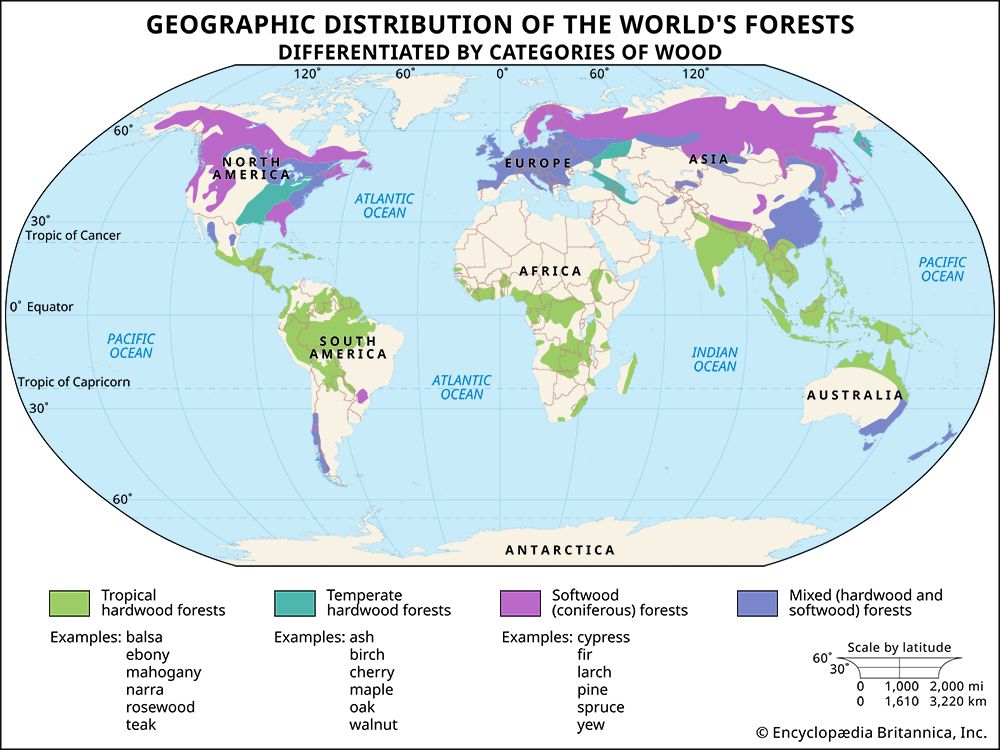
Forest ecosystems are complex natural resources categorized by their species composition, tree density, soil types, and regional climate conditions. Major forest types found globally include:4
- Tropical Rainforests: Located in the hot, humid equatorial belt, these forests receive high annual rainfall and support immense biodiversity. They are characterized by broad-leaved evergreen trees and complex vertical stratification.543
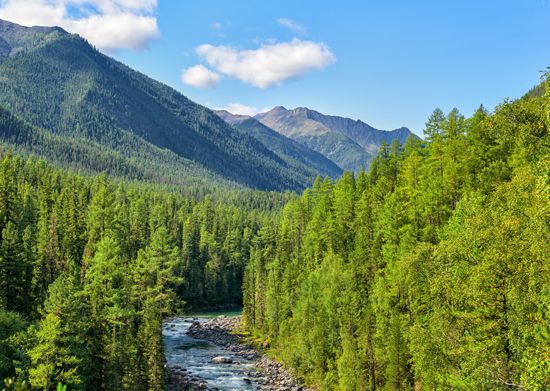
- Taiga (Boreal Forest): Occupying a circumpolar belt in the Northern Hemisphere, these subpolar forests are dominated by hardy, needle-leaved conifers like pine, spruce, and larch. They are adapted to long, cold winters and short growing seasons.643
- Temperate Deciduous Forests: Found in middle-latitude regions with distinct seasons, these forests feature broad-leaved trees—such as oak, maple, and beech—that shed their leaves annually. They require moderate temperatures and consistent rainfall.473
- Mixed Forests: These occur in transition zones between coniferous and deciduous regions, containing a combination of both broad-leaved and needle-leaved species.473
- Subtropical Evergreen Forests: Common in Mediterranean-type climates, these forests feature trees with thick, leathery leaves designed to resist water loss during hot, dry summers.73
How do seasonal changes impact forest ecosystems?
Seasonal changes exert a profound influence on forest ecosystems, particularly in temperate regions, by dictating the timing of biological processes and forcing organisms to adapt to shifting environmental conditions.89
Vegetation and Growth Cycles
In temperate forests, trees respond to the shortening day length and declining temperatures of autumn by entering a state of dormancy. Deciduous trees shed their leaves to prevent damage from freezing and to conserve energy, as photosynthesis becomes inefficient during winter. In spring, rising temperatures and increased light trigger budbreak and new growth. Before the canopy fully develops, the influx of sunlight to the forest floor allows spring ephemerals and other wildflowers to bloom.1098
Animal Adaptations
Animals within these ecosystems employ various strategies to survive seasonal extremes:
- Dormancy: Some mammals, such as bears, enter a period of winter dormancy to reduce metabolic activity when food is scarce.11
- Migration: Many species, including certain bats and ungulates, migrate to more favorable climates or lower elevations to avoid harsh weather and find food.11
- Physiological Shifts: Migratory animals often undergo internal changes, such as fat accumulation, regulated by endocrine glands in response to photoperiodic cues.12
What are some unique adaptations of plants and animals in forest ecosystems?
Plants and animals in forest ecosystems have evolved a remarkable array of adaptations to survive, compete, and reproduce within their specific environments.
Plant Adaptations
Trees and other forest plants have developed specialized strategies to manage resources like light, water, and nutrients:
- Light Competition: In dense forests, plants compete intensely for sunlight. Many species, such as the white pine, exhibit shade tolerance as seedlings, allowing them to persist in the understory until a canopy gap provides the light needed for rapid growth. Others, like lianas and strangler figs, avoid the energy cost of building massive trunks by climbing or growing upon host trees to reach the canopy.135
- Nutrient Acquisition: Many trees form mycorrhizal associations, where fungi colonize their roots to help absorb phosphorus and other nutrients from the soil in exchange for energy.135
- Seasonal Timing: In temperate forests, herbaceous plants often possess underground storage organs like bulbs or rhizomes, enabling them to bloom rapidly in spring before the tree canopy fully shades the forest floor.14
Animal Adaptations
Animals have adapted to the structural complexity and seasonal challenges of forest life:
- Camouflage and Movement: In the taiga, the snowshoe hare changes its fur color to white in winter for camouflage and possesses large, snowshoe-like feet to travel across deep snow. Similarly, the lynx has large feet with fur between its toes to remain on the snow’s surface.15
- Foraging Strategies: Many forest animals are adapted for vertical movement to navigate the canopy. In North America, the northern flying squirrel has evolved to consume underground fungi, playing a crucial role in dispersing these organisms throughout the forest.315
- Energy Management: To survive periods of food scarcity, some mammals, such as bears, enter states of dormancy, while others, like caribou, undertake extensive migrations to find seasonal food sources.1516
Sources
- Did you know? — Merriam-Webster
- community ecology - Stratification and gradation — Encyclopædia Britannica
- Forest — Encyclopædia Britannica
- Tropical rainforest - Environment — Encyclopædia Britannica
- Taiga — Encyclopædia Britannica
- Temperate forest — Encyclopædia Britannica
- forestry - Occurrence and distribution — Encyclopædia Britannica
- Temperate forest - Environment — Encyclopædia Britannica
- Plant development - Seasonal adaptations — Encyclopædia Britannica
- Deciduous forest — Encyclopædia Britannica
- mammal - Response to environmental cycles — Encyclopædia Britannica
- Migration - Physiological stimulus of migration — Encyclopædia Britannica
- Tree - Adaptations — Encyclopædia Britannica
- Taiga - Mammals — Encyclopædia Britannica
- Tropical rainforest - General structure of the rainforest — Encyclopædia Britannica
- Deciduous forest: Top Questions — Encyclopædia Britannica
- Temperate forest - Population and community development and structure — Encyclopædia Britannica
Published on · 4 min read