Baobab
Baobab trees (genus Adansonia) are naturally found in three primary regions of the world:
In which regions of the world are baobab trees naturally found?
Baobab trees (genus Adansonia) are naturally found in three primary regions of the world:
- Madagascar: This island is home to seven of the nine known species of baobab, which are endemic to the region1.
- Mainland Africa and the Arabian Peninsula: These areas host Adansonia digitata, the African baobab, which is widely distributed throughout the drier regions of the African continent.1
- Australia: The single species A. gregorii, commonly known as the boab or bottle tree, is found in the Kimberley region of Western Australia.1
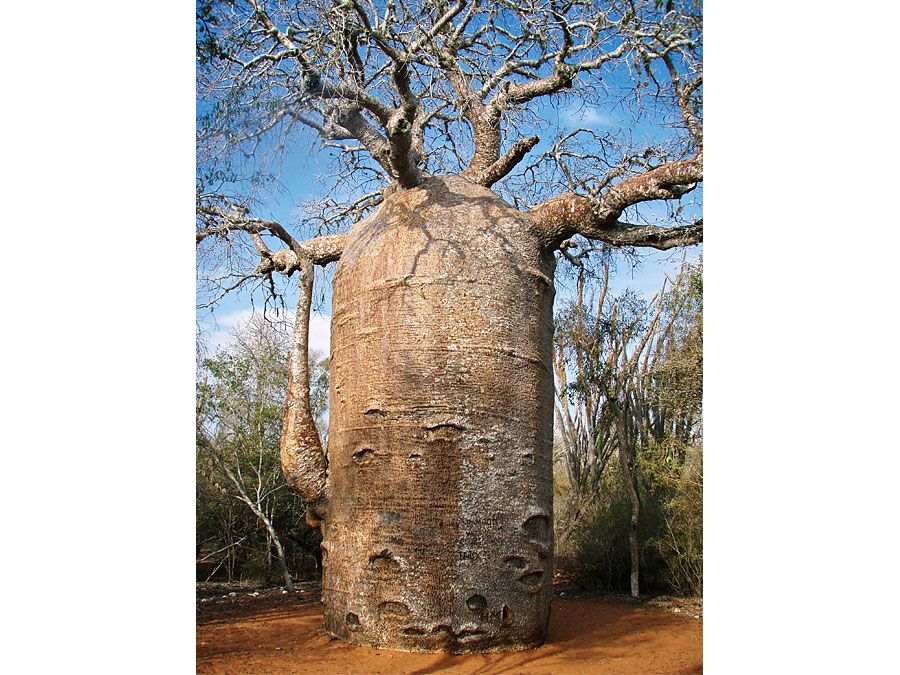
These trees are noted for their remarkable longevity and distinct barrel-like trunks, which often serve as vital water reserves in their respective environments.1
What are the traditional and modern uses of baobab trees and their fruits?
Baobab trees (genus Adansonia) are highly valued for their extensive ethnobotanical utility, serving as a vital resource for local communities across their native ranges in Africa, Madagascar, and Australia.1
Traditional and Practical Uses
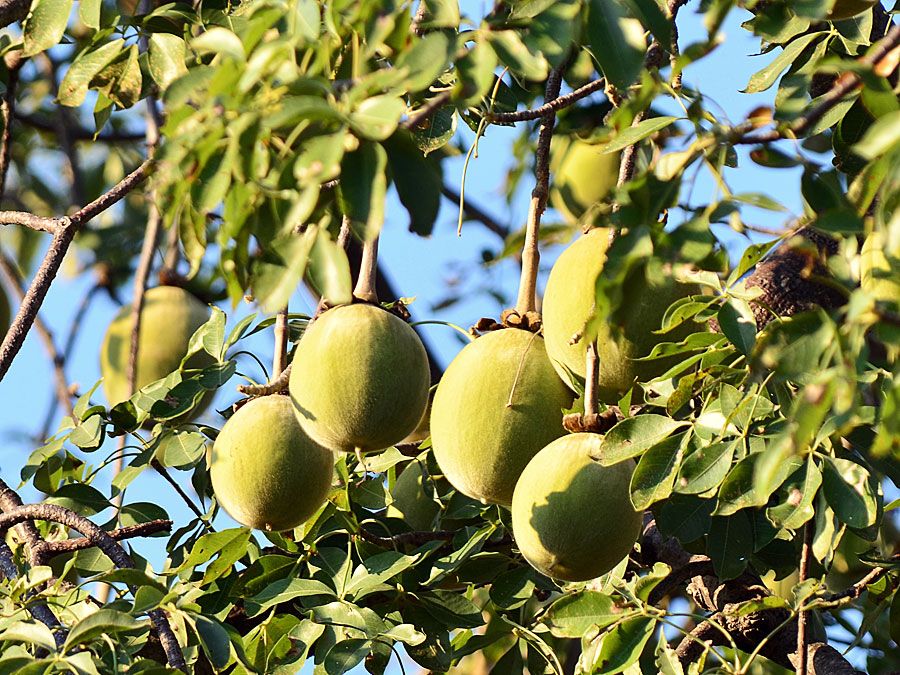
- Food Sources: Many species provide edible leaves and fruits. The African baobab (A. digitata) produces a large, gourdlike woody fruit containing a mucilaginous pulp often used to prepare refreshing drinks.12
- Materials: The bark is prized for its strong fiber, which is traditionally processed to create rope, cloth, and paper. Additionally, the trees provide raw materials for crafting various hunting and fishing tools.12
- Structural Utility: Due to their massive, often hollow trunks, baobabs have historically served as natural water reservoirs or temporary shelters. In some instances, these hollowed trunks have been repurposed as stables, burial sites, or even prisons.1
- Medicinal and Cultural Significance: The trees are important for numerous herbal remedies and hold deep cultural and religious significance in many regions.1
How long can baobab trees live, and what factors contribute to their longevity?
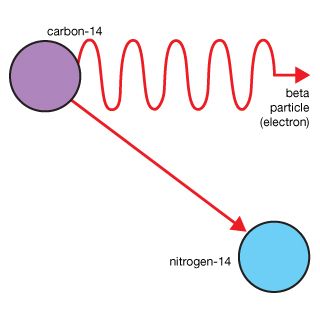
Baobab trees are renowned for their extraordinary longevity. The African baobab (A. digitata) holds the record as the oldest known angiosperm tree, with carbon-14 dating confirming the age of a specimen in Namibia at approximately 1,275 years.1
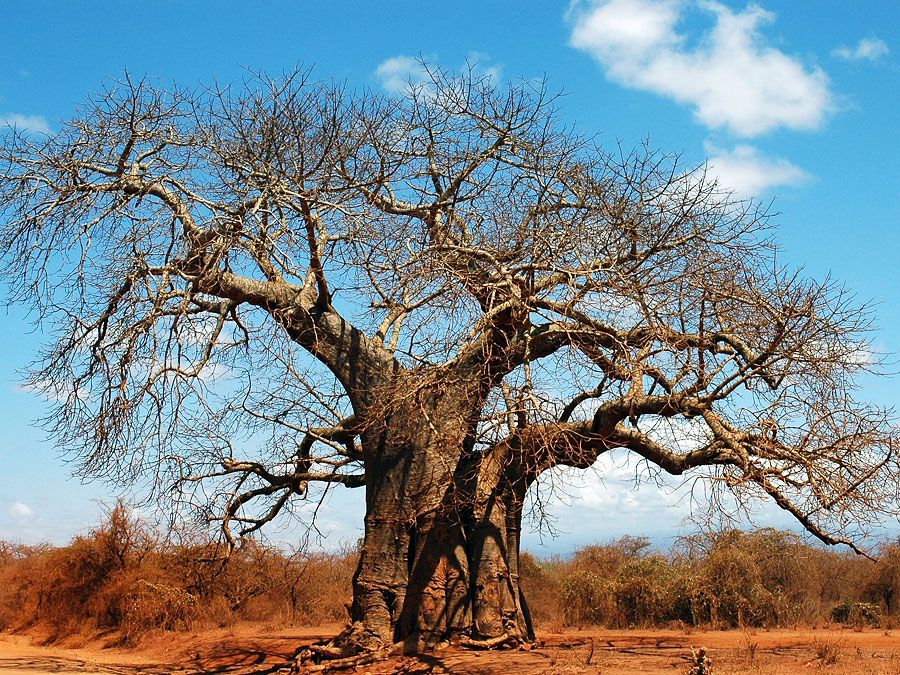
The longevity of these trees is supported by their unique biological structure. They feature massive, water-storing trunks that can reach diameters of up to 9 meters (30 feet). In older individuals, these trunks are often formed by the fusion of multiple stems over time, which contributes to their immense size and structural resilience.1
While these trees are remarkably long-lived, they are not immune to environmental pressures. Between 2005 and 2017, researchers observed the collapse or death of several of the oldest and largest African baobab specimens. While some scientists initially hypothesized that these deaths were linked to the effects of climate change, subsequent research has not confirmed a widespread decline of the species.1
What is a baobab tree?
The baobab (genus Adansonia) is a group of nine species of deciduous trees belonging to the mallow family, widely recognized for their distinctive, barrel-like trunks. These trees are native to Madagascar, mainland Africa, the Arabian Peninsula, and northwestern Australia.1
Baobabs are celebrated for their extraordinary longevity and significant ethnobotanical value. Local communities have traditionally utilized various parts of the tree:1
- Food and Medicine: Many species provide edible leaves and fruits, and they are frequently used in herbal remedies.1
- Materials: The bark yields a strong fiber used for rope, cloth, and paper, while other parts of the tree provide tools for hunting and fishing.12
- Utility: Their massive, often hollow trunks have historically served as water reserves, shelters, and even prisons or burial sites.1
Culturally, the trees are deeply significant, often appearing in local folklore, such as the Arabian legend that the devil planted the tree upside down with its roots in the air.1
Sources
- Baobab — Encyclopædia Britannica
- baobab — Merriam-Webster
Published on · 3 min read