Angiosperm
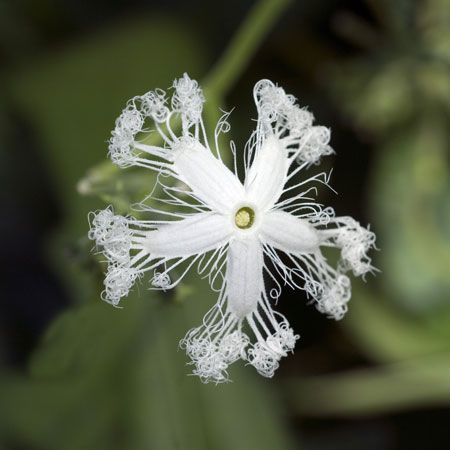
Angiosperms, commonly known as flowering plants, are a well-defined group of seed plants distinguished by several unique evolutionary features.
What are the defining characteristics of angiosperms?
Angiosperms, commonly known as flowering plants, are a well-defined group of seed plants distinguished by several unique evolutionary features.1
Key Characteristics
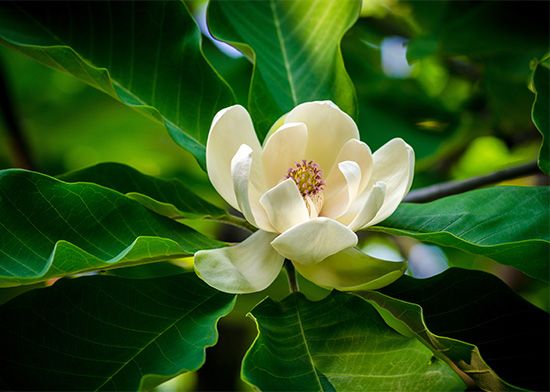
- Enclosed Ovules: Unlike gymnosperms, angiosperms produce their ovules within an enclosed container called an ovary, which typically matures into a fruit a fruit.12
- Double Fertilization: This is the most characteristic feature of the group. During sexual reproduction, one sperm nucleus fertilizes the egg to form a zygote, while a second sperm nucleus fuses with two polar nuclei to create endosperm, a nutrient-rich tissue that supports the developing embryo.13
- Specialized Pollination: Pollen is received by a stigma, a structure usually elevated by a style, rather than landing directly on the ovule.1
- Complex Conducting Tissues: Angiosperms possess more efficient xylem (water-conducting) vessels and phloem tissue featuring companion cells, which support their diverse growth forms and wide ecological distribution.14
How do angiosperms interact with pollinators, and why is this relationship significant?
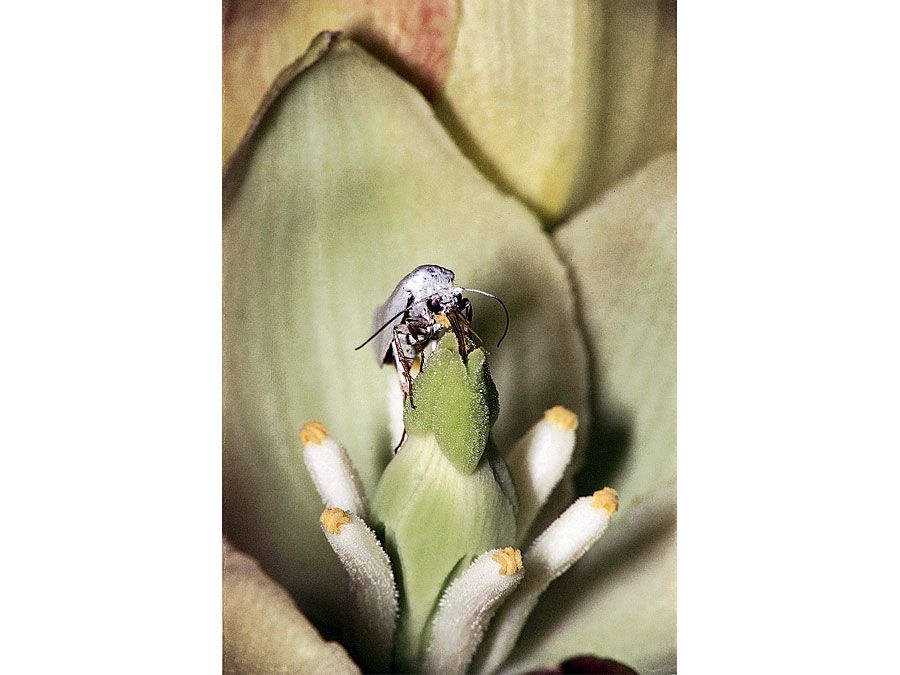
Angiosperms interact with pollinators through a complex process of coevolution, where plants have developed specific floral traits to attract and guide animals—primarily insects, birds, and mammals—to facilitate pollination.67
Mechanisms of Interaction
- Attraction: Plants produce showy, often scented flowers containing nectar to lure pollinators. These traits are often specialized; for example, bird-pollinated flowers are frequently bright red and scentless, while bat-pollinated flowers are often fragrant and nocturnal.68
- Structural Guidance: Many flowers have evolved bilateral symmetry or specific landing platforms to direct the behavior of pollinators, ensuring they contact the plant’s reproductive organs. Some species, such as certain orchids, use mimicry to deceive insects into attempting to mate with the flower, thereby transferring pollen.68
- Pollen Transfer: As pollinators move between flowers to feed, they inadvertently transport pollen, which is essential for the sexual reproduction of approximately 300,000 species of flowering plants.78
Significance of the Relationship
This relationship is vital for maintaining ecosystem health and global food security. By promoting outcrossing, animal pollination ensures genetically vigorous offspring and prevents inbreeding depression. Furthermore, many agricultural crops rely heavily on these pollinators; the loss of such species would significantly reduce the availability and diversity of fresh produce, impacting human nutrition.689
What is the life cycle of a typical angiosperm plant?
The life cycle of a typical angiosperm is characterized by an alternation of generations, involving a dominant, diploid sporophyte phase and a highly reduced, haploid gametophyte phase.1112
The Reproductive Cycle
- Sporophyte Phase: The mature plant we recognize is the sporophyte. It produces reproductive cells through meiosis, leading to the formation of haploid spores.1112
- Gametophyte Development: The male gametophyte is a 3-celled pollen grain, while the female gametophyte, or embryo sac, is typically an 8-celled structure retained within the ovule.211
- Pollination and Fertilization: Pollination occurs when pollen reaches the stigma. The pollen germinates, growing a tube to deliver two sperm cells to the embryo sac.211
- Double Fertilization: Angiosperms undergo a unique process of double fertilization. One sperm fuses with the egg to form a diploid zygote, while the second sperm fuses with two polar nuclei to create triploid endosperm, which provides nourishment for the developing embryo.21311
Seed and Seedling Development
Following fertilization, the ovule matures into a seed and the ovary develops into a fruit. After a period of dormancy, the seed undergoes germination—either hypogeal or epigeal—to produce a seedling, which eventually matures into a new sporophyte.1114
How do angiosperms differ from gymnosperms in terms of reproduction?
The primary distinction between angiosperms and gymnosperms lies in how their seeds are developed and protected.1516
Key Reproductive Differences
- Seed Protection: Angiosperms produce seeds that develop within the ovaries of flowers and are enclosed by a protective fruit15. In contrast, gymnosperms produce “naked seeds,” which are typically formed on the scales of unisexual cones (strobili) rather than within an enclosed structure.131516
- Floral Structures: Angiosperms possess flowers, which are specialized shoots adapted for reproduction. Gymnosperms lack flowers and fruits entirely.17181516
- Double Fertilization: A process unique to angiosperms is double fertilization. During this event, one sperm cell fuses with an egg to form a [zygote], while a second sperm fuses with polar nuclei to create [endosperm]—a nutrient-rich tissue that supports the developing embryo. In gymnosperms, the female gametophyte itself serves as the primary nutritive tissue.519
- Gametophyte Reduction: Within the seed plants, the gametophyte phase is highly reduced. Angiosperms have furthered this reduction, featuring a 3-celled microgametophyte (pollen grain) and an 8-celled megagametophyte (embryo sac), whereas gymnosperms typically have more complex, multi-celled gametophytes.519
Sources
- Angiosperm - General characteristics — Encyclopædia Britannica
- double fertilization — Merriam-Webster
- Plant - Classification of angiosperms — Encyclopædia Britannica
- Angiosperm - Distribution and abundance — Encyclopædia Britannica
- Plant reproductive system - Angiosperms — Encyclopædia Britannica
- Angiosperm - Paleobotany and evolution — Encyclopædia Britannica
- Major types of pollinators — Encyclopædia Britannica
- Angiosperm - Pollination — Encyclopædia Britannica
- Pollination - Structural — Encyclopædia Britannica
- What Would Happen If All the Bees Died? — Encyclopædia Britannica
- Plant development - Preparatory events — Encyclopædia Britannica
- Angiosperm - Seedlings — Encyclopædia Britannica
- Angiosperm - General features — Encyclopædia Britannica
- Plant development - Life cycles — Encyclopædia Britannica
- Angiosperm: Top Questions — Encyclopædia Britannica
- What’s the Difference Between Angiosperms and Gymnosperms? — Encyclopædia Britannica
- Ovule — Encyclopædia Britannica
- Plant - Variations involving seed plants — Encyclopædia Britannica
- Plant - Flowers — Encyclopædia Britannica
Published on · 4 min read