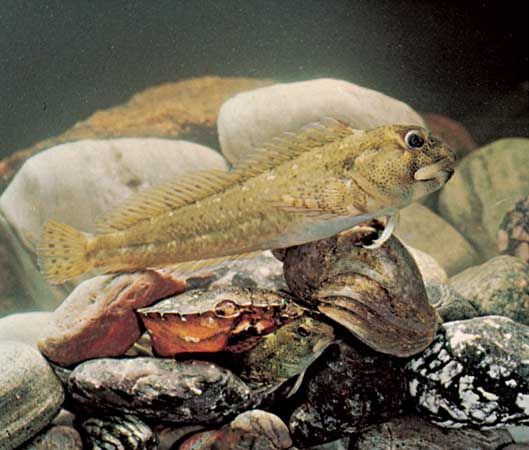
Barb
The term "barb" refers to a diverse group of freshwater fish in the carp family, Cyprinidae, rather than a single species with a uniform diet.
What is the typical diet of barb fish in the wild and in aquariums?
The term “barb” refers to a diverse group of freshwater fish in the carp family, Cyprinidae, rather than a single species with a uniform diet.
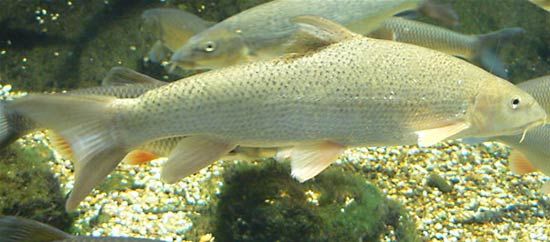
In the wild, the feeding habits of these fish vary by species and environment. For instance, the European barbel (B. barbus) utilizes its barbels—fleshy, sensory protuberances near the mouth—to forage along river bottoms for fish, mollusks, and other food sources. Other members of the genus, such as the larger mahseer, are known as significant game or food fish, though specific dietary details for every species in the genus are not provided in the available data.1
Regarding aquarium species, while the provided information identifies several popular varieties—such as the cherry barb, clown barb, rosy barb, and tiger barb—it does not specify their particular nutritional requirements in a captive setting.1
What is the significance of the ‘barbs’ in barb fish, and how do they use them?
The term “barb” in the context of these fish refers to the genus Barbus, but the “barbels” themselves are distinct anatomical features. It is important to clarify that while many species in this genus possess these structures, not all do; for example, the two-spot barb lacks them entirely.1
The Function of Barbels
Barbels are slender, fleshy, fingerlike projections located near the mouth, snout, or chin of various bottom-feeding fishes. Their primary significance lies in their role as sensory organs that assist the fish in navigating and foraging within its environment.12
- Sensory Capabilities: Barbels are highly sensitive to touch and are equipped with numerous taste buds. This allows the fish to detect and evaluate potential food items before ingestion.2
- Foraging: Fish such as the European barbel (B. barbus) utilize these structures to actively search for fish, mollusks, and other food sources along the river bottom.1
- Integrated Sensing: By combining the senses of touch and taste, barbels enable fish to effectively examine objects in their surroundings, a process often used in conjunction with other sensory systems to determine the nature of their environment.23
In which regions of the world are barb fish commonly found?
Barb fish, belonging to the genus Barbus within the carp family, are native to three primary regions of the world:
- Europe: Home to species such as the barbel (B. barbus), which is found in the rivers of central and western Europe.1
- Africa: The continent hosts numerous members of the Barbus genus.1
- Asia: This region contains a wide variety of species, including the large mahseer of India. Some species found in the East Indian region are sometimes classified under the separate genus Puntius.1
These fish are widely distributed across these continents, ranging from small species popular in home aquariums to large game fish.1
How do barb fish communicate with each other and other fish species?
Barb fish, like many other members of the order Ostariophysi, rely on a sophisticated combination of chemical and tactile sensory systems to communicate and interact with their environment and other fish.
Chemical Communication
Barb fish utilize chemical signals known as pheromones to facilitate social interactions. These chemical cues, which can originate from skin mucus or gonad secretions, allow individuals to:
- Identify and Recognize: Fish can distinguish between different species and even recognize specific individuals of their own species, maintaining this memory over time.
- Influence Behavior: Pheromones play a critical role in regulating territorial and communal behaviors.
- Forage: Because many of these fish inhabit environments where vision may be limited, they possess high chemosensory acuity. Their lips and barbels are covered in taste buds, which are essential for locating food and evaluating their surroundings.
Tactile and Mechanical Sensing
Beyond chemical signals, barb fish utilize the lateral line system to perceive their environment. This system consists of mechanoreceptors called neuromasts that detect water displacement and pressure changes. This allows them to:
- Detect Movement: They can sense the presence of approaching predators, prey, or other members of their species before physical contact occurs.
- Navigate: The system provides information about water flow and the proximity of stationary objects, functioning as a form of “touch at a distance.”
Sources
- barb — Encyclopædia Britannica
- ostariophysan - Barbels — Encyclopædia Britannica
- barbel — Merriam-Webster
- fish - Other senses (touch, pain, and special senses) — Encyclopædia Britannica
- ostariophysan - Taste and smell — Encyclopædia Britannica
- lateral line system — Encyclopædia Britannica
- Mechanoreception - Mechanoreceptor function — Encyclopædia Britannica
- Animal communication - Signal production — Encyclopædia Britannica
Published on · 3 min read