Basin
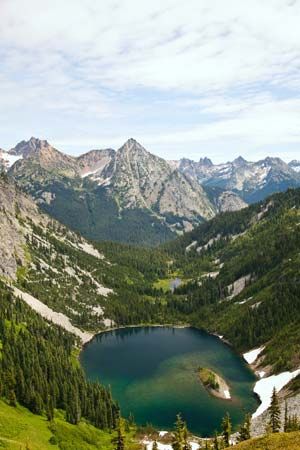
In geology, a basin is a broad, shallow trough or syncline—a structural depression in the bedrock. These features are formed by various processes, including…
What is basin?
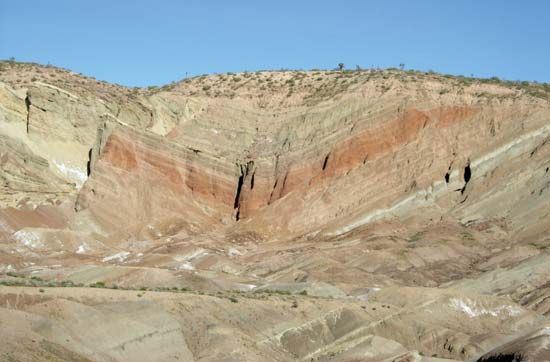
In geology, a basin is a broad, shallow trough or syncline—a structural depression in the bedrock. These features are formed by various processes, including crustal movements, the collapse of volcanic cones, or the dissolution of soluble subsurface rocks. Sedimentary basins are particularly significant in the study of petroleum, as they often contain the specific rock types and structural conditions necessary for the accumulation of oil and natural gas.123
It is important to distinguish this geological structure from a drainage basin (or watershed), which is a geographic area where all precipitation flows into a single stream or river system. While a geological basin refers to the shape of the rock layers, a drainage basin is defined by the movement of surface water across a landscape.14
What is the difference between a geological basin and a drainage basin?
While the terms are sometimes used interchangeably, a geological basin and a drainage basin refer to fundamentally different concepts.
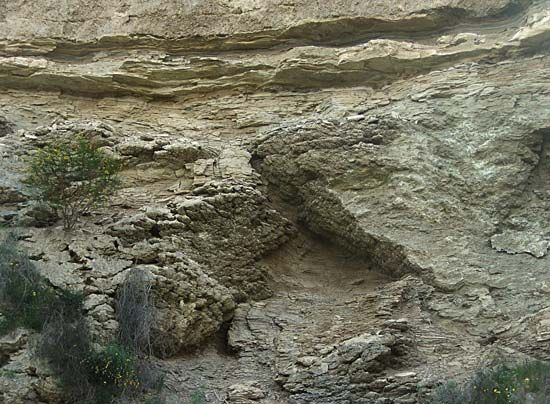
A geological basin is a structural feature defined by the shape of the bedrock. It is a broad, shallow trough or syncline formed by processes such as crustal movements (tectonism), the collapse of volcanic cones, or the dissolution of soluble subsurface rocks. These basins are significant in geology because they often contain sedimentary deposits and are key sites for the accumulation of resources like coal or petroleum.2
In contrast, a drainage basin (or watershed) is a geographic area defined by the movement of surface water. It encompasses the entire region from which all precipitation flows into a single stream or river system. The boundaries of these basins are determined by drainage divides, which dictate the direction that water flows across the landscape.6
While a geological basin and a drainage basin may occasionally coincide geographically, the former describes the physical structure of the Earth’s crust, whereas the latter describes the hydrological path of surface water.62
How do drainage divides affect the flow of water?
A drainage divide acts as the boundary between adjacent drainage basins. Its primary function is to dictate the direction of water flow: all precipitation that falls on opposite sides of a divide is directed into different stream or river systems.2
These divides are not static features; they are subject to change through stream capture (or stream piracy). This occurs when a stream that is eroding more aggressively—often because it is cutting through weaker rock—encroaches upon and eventually diverts the headwaters of a competing network. As a result, the divide is breached or shifted, and the captured water is redirected into the more active drainage system.89
Additionally, geological processes such as glaciation can breach divides, allowing streams to pass through gaps that would otherwise be separated. Conversely, in some landscapes, the structural grain of the earth forces streams to maintain their courses across rising folds or upwarps, a phenomenon known as antecedent drainage, where the river effectively “saws” through the rising divide.89
Why are sedimentary basins important for finding oil and gas?
Sedimentary basins are essential for the discovery of oil and gas because they provide the specific geological environments necessary for the formation, maturation, and accumulation of hydrocarbons.12
The Role of Sedimentary Basins
Sedimentary basins are areas where sediments have accumulated and remained undisturbed for long periods, allowing them to be compacted and cemented into rock. These basins are critical for several reasons:12
- Source Rock Formation: Basins often contain organic-rich deposits, such as the remains of phytoplankton and zooplankton, which settle in marine environments. When buried within mudrocks or limestones, these materials become source rocks.13
- The Oil Window: As sediments are buried deeper within a basin, increasing temperatures and pressure create the “oil window”—a specific depth and temperature range (typically 760 to 4,880 meters and 65 °C to 150 °C) where organic matter is thermally converted into petroleum.14
- Reservoir and Trap Development: The geologic history of these basins naturally creates stratigraphic traps, such as fossil reefs or sandstone bars, which can store migrating oil and gas. Furthermore, the presence of impermeable cap rocks within these basins seals these reservoirs, preventing the hydrocarbons from escaping to the surface.1516
By analyzing the sedimentary facies and structural history of a basin, geologists can predict the location of these resources, significantly lowering the risks associated with exploration.1712
Sources
- basin — Encyclopædia Britannica
- drainage basin — Encyclopædia Britannica
- petroleum - Geologic study and exploration — Encyclopædia Britannica
- lake - Basins formed by fluvial and marine processes — Encyclopædia Britannica
- geology - Oil and natural gas — Encyclopædia Britannica
- lake - Basins formed by tectonism , volcanism, and landslides — Encyclopædia Britannica
- rock basin — Merriam-Webster
- valley - Drainage patterns — Encyclopædia Britannica
- river - Drainage patterns — Encyclopædia Britannica
- watershed Has Geographic Origins — Merriam-Webster
- valley - Cross-axial drainage — Encyclopædia Britannica
- petroleum - From kerogen to petroleum: the mature stage — Encyclopædia Britannica
- petroleum - Stratigraphic traps — Encyclopædia Britannica
- petroleum - Traps — Encyclopædia Britannica
- sedimentary rock - Oil and natural gas — Encyclopædia Britannica
- petroleum - Migration through carrier beds — Encyclopædia Britannica
- natural gas - The thermal stage — Encyclopædia Britannica
- source rock — Merriam-Webster
- sedimentary rock - Organic-rich sedimentary deposits — Encyclopædia Britannica
- petroleum production - Prospecting and exploration — Encyclopædia Britannica
- sedimentary facies — Encyclopædia Britannica
Published on · 3 min read