Lake
Human activities significantly alter lake ecosystems and degrade water quality through several primary mechanisms:
How do human activities impact lake ecosystems and water quality?
Human activities significantly alter lake ecosystems and degrade water quality through several primary mechanisms:
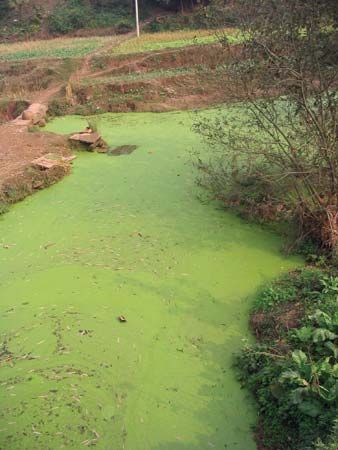
- Cultural Eutrophication: Human activities, such as the use of fertilizers in agriculture and the discharge of municipal sewage and detergents, introduce excess nitrogen and phosphorus into lakes. This nutrient loading triggers rapid growth of algae, known as water blooms, which block sunlight and deplete oxygen levels, often leading to hypoxia and massive fish kills.12
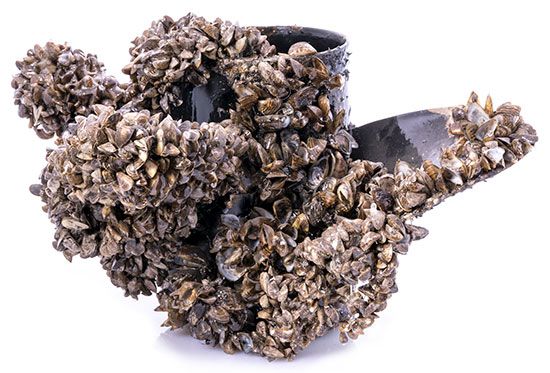
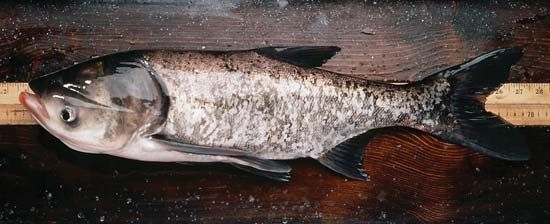
- Invasive Species: Humans have introduced non-native species—often through ballast water in ships or intentional release—that disrupt local food chains. For example, the zebra mussel and Asian carp have caused severe ecological and economic disruption in the Great Lakes and other systems by outcompeting native species and altering nutrient cycles.3
- Industrial and Chemical Pollution: The discharge of untreated industrial waste, including toxic chemicals and heavy metals, can poison wildlife and accumulate in the food chain. Additionally, thermal pollution from power plants and factories can raise water temperatures, further stressing aquatic life.42
- Hydrological Alterations: Engineering projects like dams, channel dredging, and water diversions change natural water budgets, which can increase erosion, restrict fish movement, and degrade habitats.52
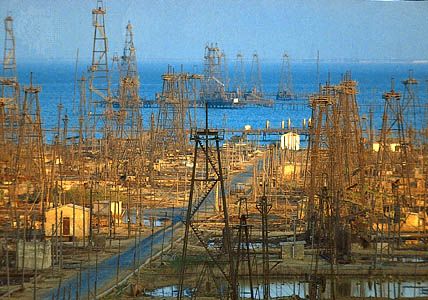
What are the main characteristics that define a lake as a physical feature?
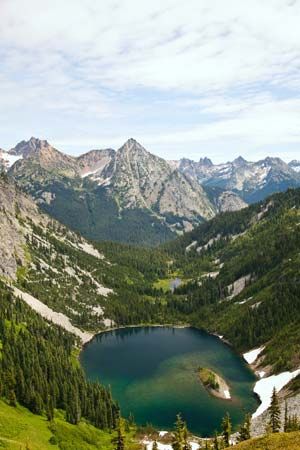
A lake is defined as a relatively large body of slowly moving or standing water that occupies an inland basin of appreciable size. While precise distinctions between lakes, ponds, and other water bodies are not universally established, lakes are generally characterized by their greater depth and size compared to ponds.67
Key physical characteristics of lakes include:
- Stratification: Many lakes exhibit vertical layering based on temperature and density, particularly in summer. This often includes a warmer upper layer (epilimnion), a cooler lower layer (hypolimnion), and a transition zone known as the thermocline.8
- Light Penetration: Light availability decreases with depth, creating distinct zones: the littoral (shallow, light-penetrating), the limnetic (open water with light), and the profundal (deep, dark water).78
- Basin Formation: Lakes occupy basins created by diverse geological processes, including glaciation, tectonism, volcanism, and fluvial or marine sediment deposition.91011
- Hydrologic Dynamics: Lakes are temporary features in a geological sense, functioning as part of the global hydrologic cycle through inflows, outflows, and seasonal mixing events like spring and fall overturns.768
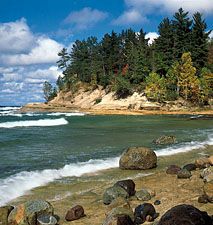
How do lakes contribute to local climates and weather patterns?
Large bodies of water significantly influence local climate and weather patterns due to their high heat capacity. Because water stores heat during warmer periods and releases it more gradually than surrounding landmasses, lakes act as a thermal buffer, resulting in cooler summers and warmer winters for the adjacent regions.1314
This temperature regulation also affects atmospheric stability and precipitation:
- Summer Stabilization: In summer, the cooling effect of a lake on the air passing over it tends to stabilize the air mass, often leading to milder conditions on the downwind side.13
- Winter Instability and Snowbelts: During winter, the relatively warmer water heats the cold air moving over it, decreasing stability and increasing moisture content. This process frequently results in heavy “lake-effect” snowfall on the downwind shores, creating localized regions known as snowbelts.13
How do seasonal changes impact lakes and their surrounding environments?
Seasonal changes profoundly influence lakes and their surrounding environments by driving shifts in thermal structure, water chemistry, and physical state.
Thermal Dynamics and Overturn
In temperate regions, many lakes undergo a dimictic cycle. During summer, lakes stratify into a warm upper layer (epilimnion) and a cold lower layer (hypolimnion), separated by a metalimnion. As autumn temperatures drop, the surface water cools and becomes denser, eventually sinking to mix with the deeper water—a process known as overturn. This cycle repeats in the spring after ice melts, facilitating the redistribution of oxygen and nutrients throughout the water column.1718
Ice Formation and Decay
The seasonal cycle of ice formation and decay is primarily driven by energy exchange between the atmosphere and the water surface. Ice cover acts as a protective barrier, while its spring melting triggers rapid warming and mixing. This transition is critical for the biological productivity of the lake, as it influences the availability of light and nutrients for plankton populations.1918201713
Hydrologic and Climatic Impact
Seasonal variations in precipitation and evaporation directly affect lake levels. Furthermore, lakes act as thermal buffers for their surroundings; they store heat in warmer months and release it in winter, which can create localized weather phenomena like “lake-effect” snowbelts on downwind shores.2122
Sources
- eutrophication — Encyclopædia Britannica
- invasive species - A global problem — Encyclopædia Britannica
- Great Lakes - Human impact on the lakes — Encyclopædia Britannica
- lake - The water budget — Encyclopædia Britannica
- river - Environmental problems attendant on river use — Encyclopædia Britannica
- lacustrine ecosystem — Encyclopædia Britannica
- lake — Encyclopædia Britannica
- hydrologic sciences - The physical characteristics of lakes — Encyclopædia Britannica
- Inland water ecosystem - The origin of inland waters — Encyclopædia Britannica
- lake - Topography of basins — Encyclopædia Britannica
- lake - Basins formed by fluvial and marine processes — Encyclopædia Britannica
- lake - Basins formed by tectonism , volcanism, and landslides — Encyclopædia Britannica
- lake - Problems and effects — Encyclopædia Britannica
- Great Lakes: Top Questions — Encyclopædia Britannica
- lake - Heat transfer — Encyclopædia Britannica
- 6 Lakes That Are Drying Up — Encyclopædia Britannica
- lake - Vertical mixing and overturn — Encyclopædia Britannica
- Inland water ecosystem - Permanent bodies of standing fresh water — Encyclopædia Britannica
- lake - Water level fluctuations — Encyclopædia Britannica
- ice in lakes and rivers - The seasonal cycle — Encyclopædia Britannica
- ice in lakes and rivers - Melting — Encyclopædia Britannica
- Marine ecosystem - Seasonal cycles of production — Encyclopædia Britannica
Published on · 4 min read