Bat Bug
A bat bug refers to any of approximately 20 species of bloodsucking insects in the family Polyctenidae. These insects are external parasites that primarily…
What is bat bug?
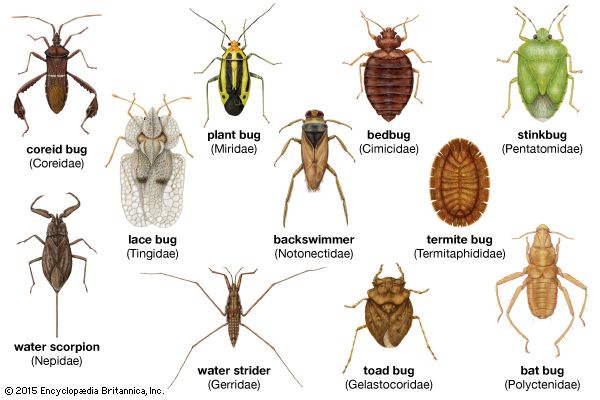
A bat bug refers to any of approximately 20 species of bloodsucking insects in the family Polyctenidae. These insects are external parasites that primarily inhabit the fur of tropical bats. Physically, they are small, flattened, and hairy, typically measuring between 3.5 and 5 mm in length. They lack eyes and wings, and their bodies feature distinctive comblike rows of spines.12
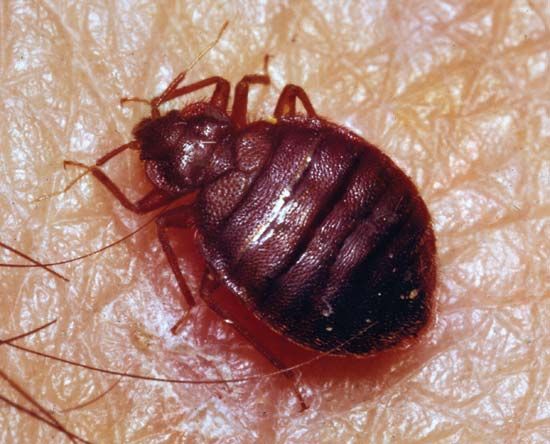
It is important to distinguish these from the common bedbug (family Cimicidae). While they are related, the term “bat bug” is also sometimes applied to Cimex pilosellus, a species of bedbug that lives on bats. Unlike the specialized Polyctenidae family, C. pilosellus may occasionally bite humans and can be found in human dwellings if bats are present.13
How do bat bugs differ from common bedbugs?
While the term “bat bug” is sometimes colloquially used to describe certain species of bedbugs that infest bats, true bat bugs belong to a distinct biological family.
Key Differences
- Taxonomy: True bat bugs belong to the family Polyctenidae, which includes about 20 species. Common bedbugs belong to the family Cimicidae, which comprises about 75 species.32
- Physical Characteristics: True bat bugs are specialized for life on bats; they lack eyes and wings, possess thick forelegs, and feature distinctive comblike rows of spines known as ctenidia. In contrast, common bedbugs have vestigial, nonfunctioning wings and are known for their broad, flat, reddish-brown bodies.32
- Reproduction: A notable difference is that true bat bugs give birth to live young that are already in an advanced stage of development. Common bedbugs reproduce by laying eggs, with females producing 200 or more during a reproductive period.32
- Host Preference: While true bat bugs are ectoparasites found primarily in the fur of tropical bats, common bedbugs are cosmopolitan parasites that feed on humans and other warm-blooded animals.32
It is important to note that Cimex pilosellus, a species of bedbug, is also called a “bat bug” and may bite humans if it enters a dwelling from a bat roost.2
What are ectoparasites and how do they survive?
An ectoparasite is a parasite that lives on the exterior surface of its host. Unlike endoparasites, which inhabit the internal spaces or cells of a host, ectoparasites remain on the body surface, where they derive nourishment at the expense of the host organism.45
Survival Strategies
Ectoparasites have evolved specific adaptations to secure food and maintain their position on a host:
- Feeding Mechanisms: Many common ectoparasites, such as fleas, lice, and ticks, are blood-sucking organisms that attach to the skin to feed. Others, such as mites, may burrow into the layers of the skin or inhabit deeper tissues like nasal passages or lungs to feed and survive.6
- Attachment: To remain firmly in place while feeding, these organisms often possess specialized structures. While not all ectoparasites cause disease directly, they are significant because they can transmit various pathogens, including the bacteria responsible for Lyme disease and plague.6
- Host Association: Their survival is often tied to the specific ecological association they have with their host, which allows them to complete their life cycles and move between hosts.5
Why do some insects specifically target bats?
Insects that specifically target bats, such as bat bugs and various other parasites like fleas, lice, ticks, and mites, do so primarily because bats provide a stable, nutrient-rich environment for their survival.89
Why Insects Target Bats
- Colonial Living: Many bats form large, dense colonies in caves or buildings. This high density of hosts allows parasites to easily find and move between individuals, ensuring a consistent food supply.810
- Stable Roosting Environments: Bats often return to the same roosts for long periods. These environments—such as caves, crevices, or attics—provide the darkness, humidity, and temperature stability that both the bats and their associated insect communities require.810
- Resource Availability: Beyond feeding directly on the bats, these insects exploit the “satellite” communities that form in bat roosts. Insects such as dermestid beetles and roaches thrive on the debris found in these areas, including guano, discarded food, and even the corpses of bats or other insects.8
- Specialized Adaptations: Ectoparasites like the bat bug have evolved specific physical traits, such as comblike spines for gripping fur and specialized mouthparts for blood-feeding, which make them highly efficient at exploiting bats as a primary host.91
Sources
- bat bug — Encyclopædia Britannica
- bat bug — Merriam-Webster
- bedbug — Encyclopædia Britannica
- ectoparasite — Merriam-Webster
- parasitic disease - Major disease-causing parasites — Encyclopædia Britannica
- parasitism — Encyclopædia Britannica
- flatworm - Ecology — Encyclopædia Britannica
- bat - Roosting — Encyclopædia Britannica
- bat - Life cycle — Encyclopædia Britannica
- bat - Food habits — Encyclopædia Britannica
- bat - Importance to humans — Encyclopædia Britannica
Published on · 3 min read