Chafer
A chafer is a term primarily used to describe a group of beetles within the family Scarabaeidae (order Coleoptera). These insects are often categorized into…
What is chafer?
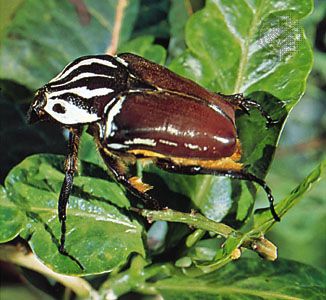
A chafer is a term primarily used to describe a group of beetles within the family Scarabaeidae (order Coleoptera). These insects are often categorized into subfamilies such as Melolonthinae and Cetoniinae (the latter often referred to as flower chafers).12
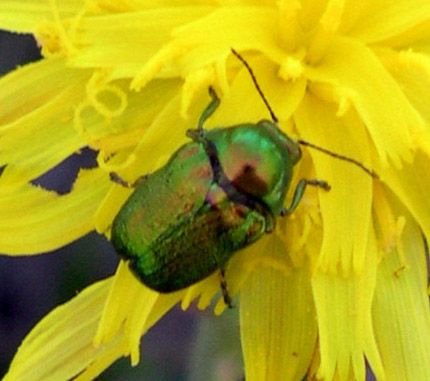
While adult chafers may feed on foliage, flowers, or nectar, their larvae—often called grubs—typically live underground and feed on plant roots, which can make them significant pests for crops, lawns, and pastures. Some species, like the rose chafer, are known to be destructive to garden plants.123
It is important to distinguish this biological term from similar-sounding words:
- Chafing dish: A utensil used for cooking or keeping food warm.4
- Chauffer (or choffer): A portable stove or heater.56
How do chafing dishes keep food warm without cooking it further?
A chafing dish keeps food warm by utilizing a gentle, indirect heat source, typically provided by a fuel canister or an electric heating element placed beneath a water pan.
The design relies on a two-pan system:
- The Water Pan: The bottom pan is filled with hot water.
- The Food Pan: The top pan, which holds the food, sits inside or above the water pan.
The heat source warms the water, which then creates steam or simply transfers heat through the water to the food pan above. Because the food is heated by the water rather than direct contact with a flame or high-intensity element, the temperature remains consistent and low enough to maintain serving warmth without continuing the cooking process or scorching the contents.
What makes the life cycle of a chafer beetle unique compared to other insects?
The life cycle of a chafer beetle, like all members of the family Scarabaeidae, follows a process of complete metamorphosis consisting of four distinct stages: egg, larva, pupa, and adult. While this pattern is shared by many insects, the specific developmental habits of chafers are notable for their extended duration and subterranean nature.237
Key aspects of the chafer life cycle include:
- Extended Larval Development: Unlike many insects that complete their life cycles in a single season, the larvae of certain chafers (subfamily Melolonthinae) live underground for two to three years, feeding on plant roots.2
- Unique Locomotion: Larvae of the flower chafer (subfamily Cetoniinae) are distinct for their ability to crawl on their backs. They utilize muscular pads on their dorsal side for movement rather than relying on their legs.37
- Delayed Emergence: After pupating in the fall, adult chafers often remain underground throughout the winter, waiting until the following spring to emerge.2
Why are some chafer beetles considered beneficial pollinators while others are pests?
The distinction between beneficial and pest-status chafer beetles largely depends on their feeding habits and the specific subfamily to which they belong.
Beneficial Pollinators
Many species within the subfamily Cetoniinae, commonly known as flower chafers, are considered beneficial because they are active pollinators. These beetles frequently visit flowering plants to feed on pollen and nectar, inadvertently transferring pollen between flowers in the process. Their association with blossoms makes them ecologically important contributors to plant reproduction.23
Agricultural Pests
Conversely, other chafers are classified as pests due to their destructive feeding behaviors at different life stages:97
- Root Damage: Larvae (grubs) of the subfamily Melolonthinae live underground for several years, where they feed on the roots of grasses, crops, and pastures, often causing significant agricultural damage.94
- Foliage and Flower Consumption: Adult chafers, such as the rose chafer and the green June beetle, feed on the leaves, flowers, and fruits of various plants, including roses and grapes, which can devastate gardens and commercial crops.9210
Sources
- chafing dish — Merriam-Webster
- chafer — Encyclopædia Britannica
- flower chafer — Encyclopædia Britannica
- Coleoptera - As plant feeders — Encyclopædia Britannica
- chauffer — Merriam-Webster
- choffer — Merriam-Webster
- scarab beetle — Encyclopædia Britannica
- Coleoptera - Larvae — Encyclopædia Britannica
- scarab beetle: Top Questions — Encyclopædia Britannica
- garden chafer — Merriam-Webster
Published on · 3 min read