Bedbug
A bedbug is any of approximately 75 species of insects belonging to the true bug order, Heteroptera. These insects are cosmopolitan parasites that feed on…
What is bedbug?
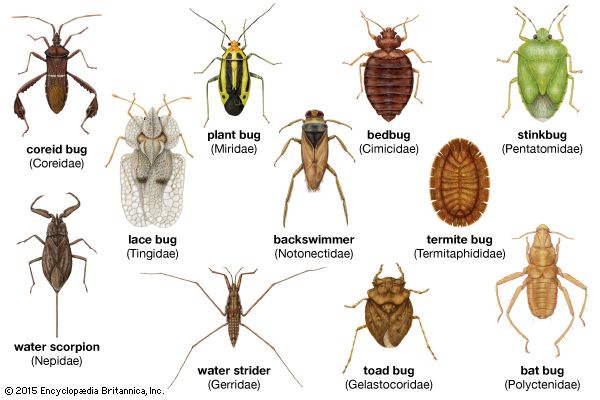
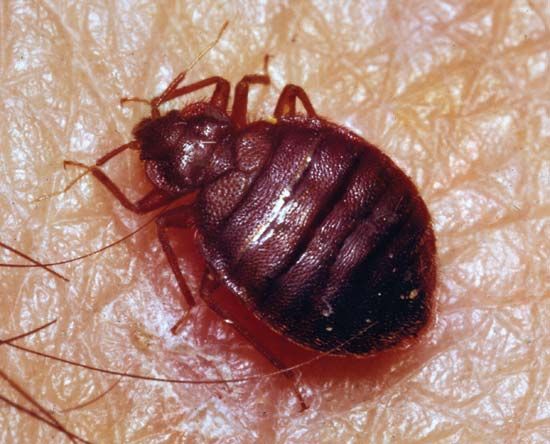
A bedbug is any of approximately 75 species of insects belonging to the true bug order, Heteroptera. These insects are cosmopolitan parasites that feed on the blood of humans and other warm-blooded animals.1
Adult bedbugs are reddish-brown, flat, and typically 4 to 5 mm long, possessing nonfunctioning, vestigial wings. They are nocturnal, hiding in furniture or bedding during the day and emerging at night to feed. While their bites are irritating, they are not known to transmit diseases to humans.1
Infestations have become a significant global concern in the 21st century, driven by increased international travel and the insects’ growing resistance to pesticides. Prevention strategies include vacuuming luggage after travel and carefully inspecting secondhand furniture or bedding. Common species include Cimex lectularius in temperate regions and C. hemipterus in the tropics, though other species may occasionally infest human dwellings if they typically feed on hosts like bats.1
How can you effectively get rid of a bedbug infestation?
Eliminating a bedbug infestation is challenging because these insects are highly resilient and can survive for at least a year without feeding. While the provided information emphasizes prevention, effective management typically requires a combination of strategies:1
- Inspection and Monitoring: Regularly examine common hiding spots, such as the seams of mattresses, bed frames, couches, and other furniture, to identify the presence of bugs.1
- Sanitation and Physical Removal: Thoroughly vacuuming areas where bedbugs congregate can help reduce their numbers. It is also critical to inspect any secondhand furniture or bedding items carefully before bringing them into your home to prevent new infestations.1
- Travel Precautions: To avoid bringing bedbugs home after traveling, experts recommend vacuuming your suitcases upon returning from a trip.1
- Professional Intervention: Because bedbugs have developed increasing resistance to many common pesticides, severe infestations often require professional pest control services that utilize specialized treatments.1
Why have bedbugs become more resistant to pesticides?
Bedbugs have become increasingly resistant to pesticides due to the widespread and repeated use of chemical agents, which has allowed surviving populations to develop and pass on resistance traits. This phenomenon is a common consequence of relying heavily on chemical control methods, which can inadvertently select for the most resilient individuals within a pest population.12
The global resurgence of bedbugs in the 21st century is attributed to this growing chemical resistance, compounded by the ease with which these insects are transported internationally via human travel and the movement of goods. Because many traditional insecticides are no longer as effective as they once were, modern pest management has shifted toward integrated control. This approach minimizes the reliance on chemicals by combining them with biological methods, such as the use of natural predators, habitat modification, and physical removal techniques, to manage infestations more sustainably.12
What are some other common household pests that bite humans?
Beyond bedbugs, several other common household pests are known to bite or feed on humans. These pests often hide in furniture, bedding, or clothing and can cause significant irritation:
- Fleas: These insects are known for their habit of sampling several adjacent spots while feeding, which typically results in a cluster of itchy wheals and papules on the skin.3
- Lice: Various species of bloodsucking lice can infect the scalp, groin, and body. Their bites appear as small, extremely itchy red spots that may become infected if scratched repeatedly.3
- Chiggers: These are the larvae of certain mites that live on humans to feed on blood. Their digestive juices cause intense itching and produce a wheal on the skin.3
- Scabies: Caused by the itch mite Sarcoptes scabiei, this condition involves the female mite burrowing beneath the skin to lay eggs. This creates an intensely itchy lesion, often appearing as a dark wavy line, which can lead to secondary skin inflammation.3
- Biting Midges: Also known as “no-see-ums,” these tiny insects are often found near water and can attack in large numbers, causing extreme discomfort with their irritating bites.4
While these pests are primarily nuisances, it is important to note that some insects, such as mosquitoes and certain flies, are also significant vectors for disease transmission.2
Sources
- bedbug — Encyclopædia Britannica
- Pest — Encyclopædia Britannica
- insect bite and sting — Encyclopædia Britannica
- biting midge — Encyclopædia Britannica
Published on · 3 min read