Batan Islands
The Batan Islands are characterized by unique architectural and agricultural practices shaped by their rugged, volcanic environment and frequent exposure to…
Are there any unique customs or traditions specific to the Batan Islands?
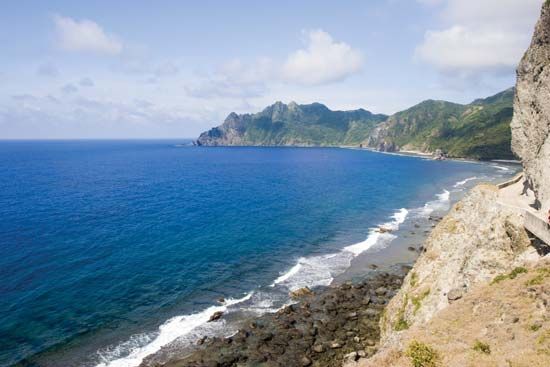
The Batan Islands are characterized by unique architectural and agricultural practices shaped by their rugged, volcanic environment and frequent exposure to destructive typhoons.
To adapt to these harsh weather conditions, the local Ivatan people have developed a distinct architectural tradition: houses are constructed from stone and tile and are strategically built within the shelter of swales or trees to withstand high winds.1
Agriculture is similarly influenced by the climate, with the cultivation of root crops—specifically sweet potatoes—serving as the primary food source. This agricultural focus supports a small-scale livestock industry, while fishing remains a supplementary activity for the islanders. The inhabitants are predominantly Roman Catholic and maintain their own distinct language, also known as Ivatan.12
What is the indigenous culture of the Batan Islands, and how has it been preserved?
The indigenous culture of the Batan Islands is defined by the Ivatan people, whose way of life is deeply adapted to their rugged, volcanic environment and the frequent, destructive typhoons of the region.
This culture has been preserved through distinct, localized practices:
- Architecture: To survive the harsh climate, the Ivatan developed a unique tradition of building houses from stone and tile. These structures are strategically placed within the shelter of trees or natural swales to withstand high winds.1
- Language: The community maintains its own distinct Austronesian language, also called Ivatan, which serves as a primary cultural identifier.12
- Subsistence: The culture remains rooted in traditional agricultural patterns, focusing on the cultivation of root crops—specifically sweet potatoes—which support a small-scale livestock industry.1
While the population has grown slowly due to migration toward Luzon, these architectural and linguistic traditions continue to characterize the identity of the inhabitants on the four largest islands.1
What is the geological origin of the Batan Islands?
The Batan Islands are volcanic in origin, resulting in a landscape that is rugged and rocky. Like much of the Philippines, which is composed primarily of volcanic rock and coral, the islands were formed through geological processes that have shaped the archipelago’s irregular configuration.13
What unique architectural features can be found on the Batan Islands?
The architectural style of the Batan Islands is primarily a functional response to the region’s environment, specifically the frequent and destructive typhoons that impact the area.
Key features of this architecture include:
- Materials: Houses are constructed using stone and tile, providing a durable defense against high winds and severe weather conditions.1
- Placement: To further protect these structures, they are strategically built within the shelter of natural swales or trees, which helps mitigate the impact of the islands’ windswept landscape.1
These traditional building methods are essential for survival in the rugged, volcanic environment of the archipelago.1
Sources
- Batan Islands — Encyclopædia Britannica
- Ivatan — Merriam-Webster
- Philippines - Relief — Encyclopædia Britannica
- Micronesian culture - Settlement patterns and housing — Encyclopædia Britannica
Published on · 2 min read