Camiguin
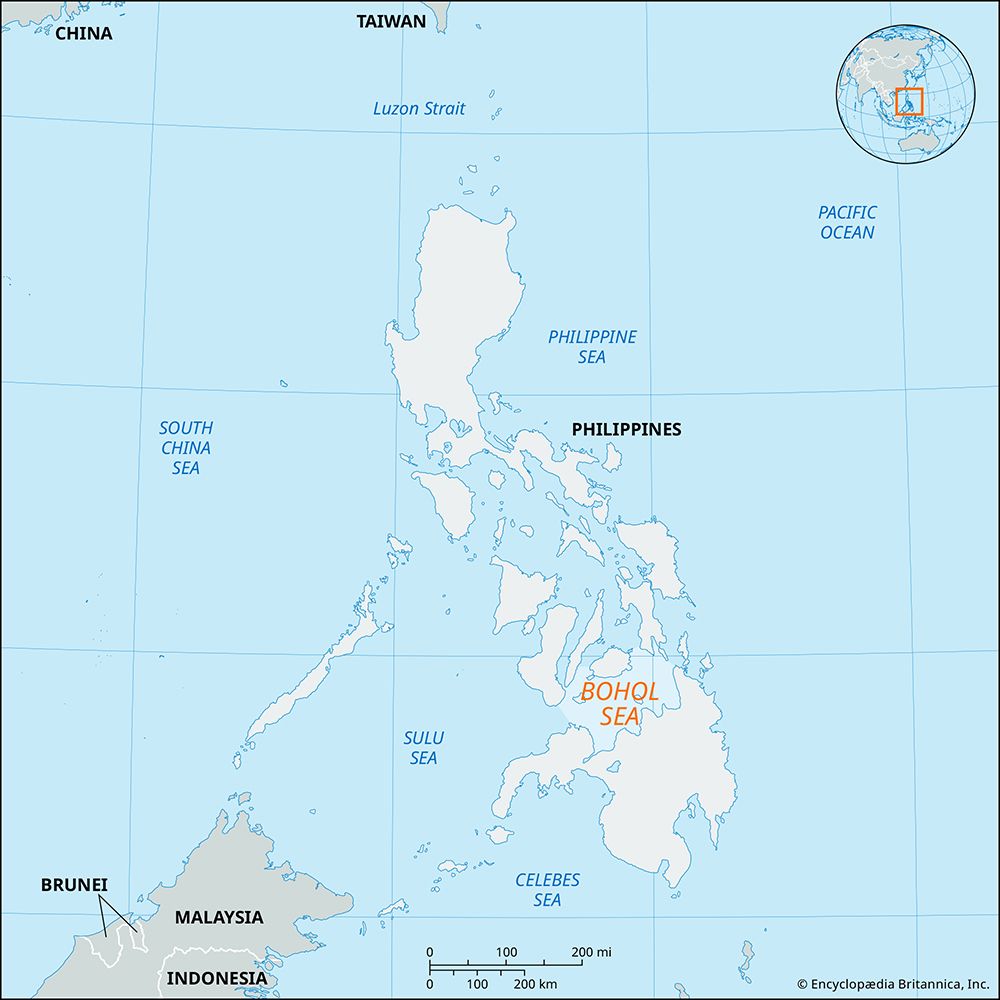
Camiguin is a mountainous island located in the Bohol Sea, situated approximately 6 miles off the northern coast of Mindanao in the Philippines. Often…
What is Camiguin?
Camiguin is a mountainous island located in the Bohol Sea, situated approximately 6 miles off the northern coast of Mindanao in the Philippines1. Often regarded as one of the most beautiful islands in the Philippine archipelago, it covers an area of 89 square miles (230 square km).1
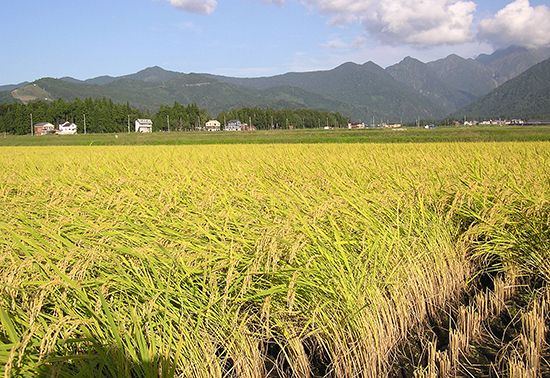
The island’s landscape is defined by volcanic activity, most notably the eruptions of Mount Hibok-Hibok, which have historically prompted significant migration to the mainland. The island’s economy relies on agriculture, with primary products including rice, bananas, and corn. The main port, Mambajao, is located on the northeastern coast, while other population centers include Catarman and Mahinog.1
It is important to note that while the term Camiguin refers to this island in the southern Philippines, there is also a separate island of the same name located in the northern Philippines, north of Luzon, which is the site of the Camiguin Volcano.2
How do volcanic eruptions shape the landscape of the Philippines?
Volcanic eruptions have played a fundamental role in shaping the physical landscape of the Philippines. As part of the Ring of Fire, the archipelago’s mountainous terrain and island arcs are primarily the result of subduction and volcanism, where tectonic plates collide to force magma to the surface.345
The impact of these eruptions on the landscape is multifaceted:
- Mountain Building: Much of the country’s relief, including prominent peaks like Mount Apo and Mount Canlaon, is volcanic in origin. Volcanoes range from perfectly symmetrical cones, such as the Mayon Volcano, to worn-down volcanic stocks that reveal the islands’ ancient geological history.36
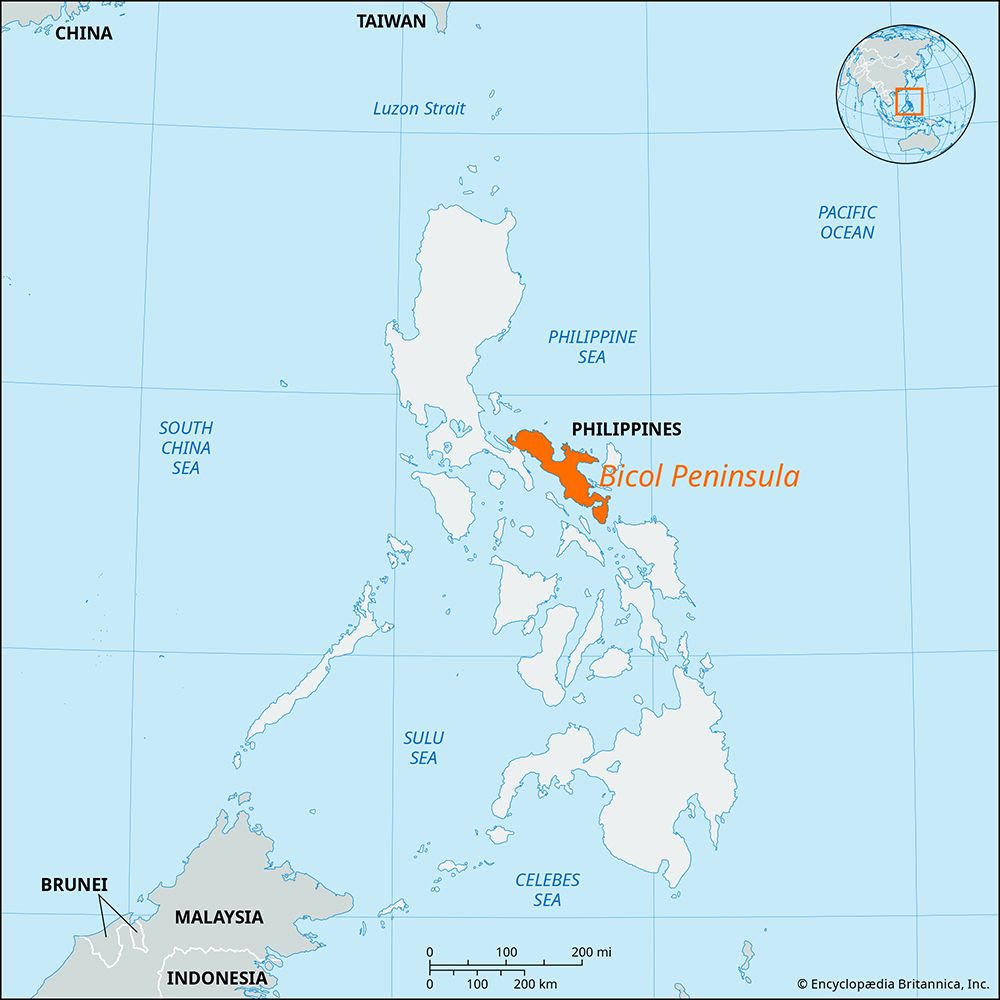
- Soil Enrichment: Volcanic activity has contributed to the formation of fertile, mineral-rich soils. These areas, particularly in the Bicol Peninsula and parts of the Visayas, are highly productive and support essential agriculture, including coffee and bananas.7
- Geological Transformation: Major events, such as the 1991 eruption of Mount Pinatubo, demonstrate the power of volcanoes to rapidly alter the terrain. This eruption deposited thick layers of ash and pyroclastic flows that filled valleys and sterilized hundreds of square kilometers of land.89
- Secondary Hazards: Eruptions often trigger mudflows (lahars) when heavy rains—often from typhoons—mix with loose volcanic deposits. These flows can bury towns, destroy infrastructure, and reshape river systems for years after the initial eruption.86
What are some other famous islands in the Philippine archipelago?
The Philippine archipelago consists of thousands of islands, which are generally categorized into three major groups: the Luzon group in the north and west, the Visayas in the center, and Mindanao in the south.12
Beyond these primary regions, several other islands are notable for their geography, history, or biodiversity:
- Palawan: Known for its mountainous terrain and unique ecology, it is home to the Puerto Princesa Subterranean River National Park, a UNESCO World Heritage site.121314
- Mindoro: Located in the Luzon group, this island is the exclusive habitat of the tamarau, a rare species of small water buffalo.1215
- Bohol: A prominent island in the Visayas group, recognized for its distinct landscape and cultural heritage.1216
- Corregidor Island: Historically significant as a strategic fortification during military conflicts.16
- Batan Islands: Situated at the northern apex of the archipelago, these islands represent the northernmost reach of the Philippine territory.1216
- Sulu Archipelago: Located in the southwest, this chain includes islands such as Basilan, Jolo, and Tawi Tawi.1216
How does the climate of the Bohol Sea affect island life?
The climate of the Bohol Sea and its surrounding islands is defined by a tropical, monsoonal system that dictates the rhythm of daily life and economic activity. Because the region is part of the broader Philippines climate zone, it experiences a seasonal shift between wet and dry periods driven by monsoon winds.1819
The influence of this climate on island life includes:
- Agricultural Cycles: The alternating wet and dry seasons are central to the rural character of islands like Bohol. Farmers rely on these patterns to cultivate principal crops such as rice, corn, and coconuts. The distinct dry season is even responsible for the iconic brown appearance of the “chocolate hills,” a major feature of the local landscape and tourism industry.20
- Settlement Patterns: Due to the geography and climate, human settlement is primarily concentrated along the coasts. The sea itself serves as a vital resource, providing rich fishing grounds that support local livelihoods.2021
- Weather Variability: While the region is generally tropical, the amount of precipitation varies significantly based on topography. Islands in this area are subject to the Malaysian-Australian monsoon, which brings heavy rains when moist air is forced to rise over windward slopes.1819
Sources
- Camiguin — Encyclopædia Britannica
- Camiguin — Merriam-Webster
- Philippines - Relief — Encyclopædia Britannica
- volcano - Mount Pinatubo , Philippines, 1991 — Encyclopædia Britannica
- Ring of Fire: Top Questions — Encyclopædia Britannica
- plate tectonics: Top Questions — Encyclopædia Britannica
- Philippines - Soils — Encyclopædia Britannica
- plate tectonics - Island arcs — Encyclopædia Britannica
- Mount Pinatubo — Encyclopædia Britannica
- mountain - Volcanoes and island arcs surrounding the northwest Pacific basin — Encyclopædia Britannica
- Mayon Volcano — Encyclopædia Britannica
- Philippines - Land — Encyclopædia Britannica
- list of islands - Philippines — Encyclopædia Britannica
- Philippines - Drainage — Encyclopædia Britannica
- Philippines - Plant and animal life — Encyclopædia Britannica
- list of World Heritage sites - Philippines — Encyclopædia Britannica
- Palawan — Encyclopædia Britannica
- Bohol — Encyclopædia Britannica
- Bohol Sea — Encyclopædia Britannica
- Philippines - Climate — Encyclopædia Britannica
- Malaysian-Australian monsoon — Encyclopædia Britannica
Published on · 3 min read